

Walker Windows Knowledge Base

Blog & Industry Insights

Technical installation guides, pre-construction best practices, and commercial window news.

0%

Choosing the China best apartment complex window installer for buyers requires more than comparing prices. Large residential projects involve hundreds of openings, repeated installation details, and residents who expect quiet, dry, comfortable homes. The right Apartment complex window installer should understand production planning, window specifications, waterproofing, thermal performance, and final inspection. A low bid may look attractive. It can become expensive after leaks appear.

Dr. Joseph Lstiburek, a respected building-science expert, states, “If you don’t control water, you don’t control anything.” His warning fits apartment window work closely. Buyers should ask how the installer manages sill pans, flashing tape, sealant joints, drainage paths, and field water testing. Experience matters here. A qualified team can explain its process clearly, show project records, and identify risks before installation begins. Look for documented quality checks, trained crews, suitable equipment, and responsive warranty support. Do not accept vague promises.

Still, no installer is perfect. Weather changes schedules. Existing openings may be uneven. Communication can fail between the factory, contractor, and site team. That is where careful buyers should remain skeptical. Request samples, installation drawings, product certificates, and references from comparable apartment developments. Inspect corner joints and frame alignment, not only the finished appearance. Ask who handles defects after occupancy. The best choice is not always the largest company. It is the installer that combines reliable products, disciplined site supervision, and honest problem-solving. Small details matter. A dry interior, smooth sash operation, and consistent seal can protect both buyer confidence and long-term building value.
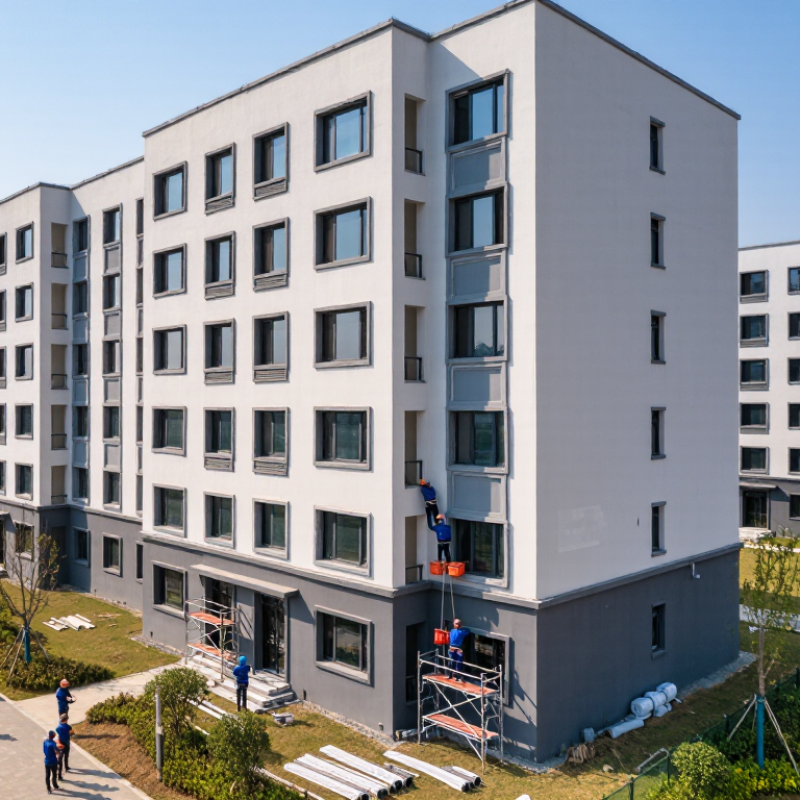
China Best Apartment Complex Window Installer for Buyers?

What Defines China’s Best Apartment Window Installer for Buyers?

What defines China’s best apartment window installer for buyers? It is not the lowest quotation or the largest showroom. A dependable installer understands apartment layouts, local weather, and project schedules. During site visits, experienced teams measure each opening at several points. They check wall alignment, sill depth, drainage paths, and balcony restrictions. Small details matter. A window can look perfect yet leak after one heavy storm.

Professional expertise should be visible in the technical documents. Buyers should receive clear drawings, glass specifications, frame thickness, hardware details, and installation procedures. The installer should explain thermal performance, sound reduction, wind resistance, and fire-safety requirements in plain language. Independent test reports and relevant certifications add credibility, but documents must match the supplied products. Ask for proof. A sample corner, sealant joint, and drainage channel can reveal more than polished promises.

Reliable installers also control the process after production. They should protect finished frames during transport, record delivery checks, and inspect every opening before fitting. Photos, measurement records, and inspection reports create useful accountability. After installation, the team should test locks, drainage, seals, and opening pressure with the buyer present. No supplier is flawless, and schedules sometimes change. The honest installer explains risks early instead of hiding them. I would still request references from comparable apartment projects and verify at least one completed site. That extra step may feel slow, but one overlooked gap can create years of repair work.

How Low-E Glass, U-Values Below 1.8 W/m²K, and SHGC Improve Efficiency

China Best Apartment Complex Window Installer for Buyers?

Choosing an apartment window installer requires more than comparing frame prices. Low-E glass reduces radiant heat transfer through a thin, transparent coating. The U.S. Department of Energy reports that windows can cause 25–30% of residential heating and cooling energy use. That makes verified performance important.

A U-value below 1.8 W/m²K can improve insulation in many apartment applications. Lower values usually mean less heat passes through the window. However, the whole-window result matters, including the frame, spacers, seals, and installation gaps. NFRC guidance also identifies SHGC as a key rating. A lower SHGC can reduce summer solar gain, while a moderate value may provide useful winter warmth. Orientation and local climate still matter. One number cannot solve every façade problem.

Tips: Request whole-window test results, not glass-only data. Check Low-E coating position, air leakage, water resistance, and installation tolerances. Ask whether results follow EN 673, ISO 10077, or relevant national testing methods. On apartment projects, poor perimeter sealing can weaken excellent glass. This is often overlooked. Energy modelling should compare north, south, east, and west elevations separately. I have seen low-U specifications disappoint when shading, ventilation, or workmanship were ignored. Performance claims deserve independent verification and careful site inspection.

China Best Apartment Complex Window Installer for Buyers? - How Low-E Glass, U-Values Below 1.8 W/m²K, and SHGC Improve Efficiency

Practical comparison of common apartment window configurations and key performance targets

Window Configuration Typical Whole-Window U-Value
(W/m²K)
Typical SHGC Visible Transmittance
(VT)
Relative Thermal Performance Recommended Buyer Application
Single clear glass, aluminum frame 5.0–6.0 0.70–0.85 0.75–0.90 Low Generally unsuitable for modern energy-efficient apartment buildings except in mild climates or unconditioned spaces.
Double clear glass with air cavity 2.7–3.2 0.65–0.78 0.65–0.80 Moderate A basic improvement over single glazing, but it may not meet a U-value target below 1.8 W/m²K.
Double Low-E glass with argon cavity 1.3–1.8 0.35–0.63 0.45–0. seventy High A practical target for many apartment projects seeking U-values below 1.8 W/m²K without the added weight of triple glazing.
Triple Low-E glass with argon cavities 0.7–1.2 0.25–0.50 0.40–0.65 Very high Well suited to cold climates, high-performance buildings, and façades where interior surface temperature and heat retention are priorities.
Solar-control Low-E glass 1.2–1.8 0.20–0.40 0.35–0.60 High cooling control Recommended for hot, sunny façades where reducing solar heat gain and air-conditioning demand is more important than maximizing winter solar gains.
U-Value

A lower U-value means less heat transfer through the complete window. For apartment buyers, verify the whole-window value rather than glass-only performance.

SHGC

A lower SHGC reduces solar heat entering the room. Select the value according to orientation, shading, climate, and cooling requirements.

Installation Quality

The installer should provide level and plumb installation, continuous perimeter sealing, insulated frame connections, drainage paths, and documented product testing.

Note: Values shown are typical indicative ranges for commonly specified residential window systems. Actual performance varies with frame material, spacer type, glass thickness, cavity width, Low-E coating, gas fill, window size, opening style, and test method. Confirm project-specific values using independently tested whole-window data and the applicable local building standard.

Which Installer Certifications and GB/T 8478 Compliance Should Buyers Verify?

When choosing a China apartment window installer, buyers should separate installer credentials from product compliance. GB/T 8478-2020 applies to aluminium alloy windows and doors, including performance testing and technical requirements. It does not act as a personal installer licence. Ask for the exact standard edition, test scope, and matching product model.

A generic certificate is weak evidence. Request a current ISO 9001 quality certificate, worker safety-training records, and documented installation procedures. More importantly, verify laboratory reports from CMA-accredited or CNAS-recognized facilities. Check air permeability, watertightness, wind-pressure resistance, and thermal performance. The 2023 Global Status Report for Buildings and Construction states that buildings consume about 30% of global final energy. Poorly sealed windows can quietly increase heating and cooling demand.

Inspect two completed apartment projects, not only a showroom. Look closely at corner joints, drainage holes, anchors, sealant lines, and frame movement. Ask whether the installer follows the approved shop drawings and records on-site inspection results. Certification alone is not enough. A polished folder may hide careless fixing. I would also verify warranty responsibility in writing, because the fabricator and installer may blame each other after leakage appears. Some requirements remain difficult to judge without an independent inspection, and buyers should admit that limitation.

How Air-Tightness, Water-Tightness, and Wind-Pressure Tests Compare Installers

China Best Apartment Complex Window Installer for Buyers?

For apartment projects, installation quality matters as much as window design. The U.S. Department of Energy reports that windows can account for 25–30% of residential heating and cooling energy use. Poor sealing can turn a certified window into a costly weak point.

Air-tightness testing identifies leakage around frames, joints, and opening sashes. ASTM E283 and EN 1026 measure air infiltration under controlled pressure. Water-tightness testing, such as ASTM E331, exposes installation gaps that may appear only during wind-driven rain. Wind-pressure testing, including ASTM E330, checks deflection, glass safety, and frame strength under simulated storms. These tests compare installers more fairly than brochures or low quotations. A strong laboratory result is useful, but it does not guarantee careful work on a crowded construction site. That is the uncomfortable part.

Tips: Ask for test reports, installation photos, and field inspection records. Request the pressure values, leakage results, and failure observations. Visit one completed apartment if possible. Check corner sealant, drainage paths, fixing spacing, and foam continuity. Test the installed window. Look beyond the quote. The International Energy Agency notes that buildings remain responsible for roughly 30% of global energy demand, so small envelope defects can scale into major operating losses. Still, testing alone is not enough. Poor supervision, rushed curing time, or unclear responsibility can weaken good specifications. Buyers should compare both measured performance and the installer’s repeatable site process.

Buyers can compare apartment-complex window installers by checking whether their proposals include independent air-tightness, water-tightness, and structural wind-pressure testing. Air leakage is commonly evaluated at 75 Pa, while water penetration testing commonly uses a minimum reference pressure of 137 Pa. Wind-pressure testing is project-specific; the 2,400 Pa value shown here is an illustrative design-pressure example, not a universal requirement.

What Warranty, Factory Capacity, and Project Data Prove Installer Reliability

China Best Apartment Complex Window Installer for Buyers?

What Warranty, Factory Capacity, and Project Data Prove Installer Reliability

Choosing a reliable window installer requires more than comparing quotation prices. A useful warranty should define profile quality, glass performance, hardware, installation, and response times. Ask whether labor is covered separately from materials. This detail matters.

During a factory visit, inspect production flow, not only the showroom. Check cutting tables, glass processing areas, powder coating lines, and finished-window storage. A capable factory should explain monthly capacity and peak-season limits clearly. Request recent production records, quality inspection forms, and loading photographs. Real evidence is stronger than polished promises.

Project data can reveal practical experience. Review apartment quantities, window sizes, delivery schedules, installation teams, and defect rates. Ask for completion reports from similar buildings and verify whether repairs were recorded. One project may look successful while hiding repeated adjustment work. That risk deserves attention.

I would also test a sample window before signing. Open it repeatedly. Check locking pressure, drainage, sealant joints, and frame alignment. Small problems become expensive across hundreds of apartments. No installer performs perfectly every time. However, reliable contractors document mistakes, correct them quickly, and improve their process.

Warranty language, factory capacity, and project records should support the same conclusion. If they conflict, pause before placing the order.

FAQS

What should buyers look for in a reliable apartment window installer?

Look beyond the lowest quotation and largest showroom. Choose a team familiar with apartment layouts, local weather, and construction schedules. During site visits, workers should measure every opening at several points. They should check wall alignment, sill depth, drainage paths, and balcony limits. Small details matter.

Which technical documents should an installer provide?

Request clear drawings, glass specifications, frame thickness, hardware details, and installation procedures. The documents should explain thermal performance, sound reduction, wind resistance, and fire-safety requirements. Ask for independent test reports and relevant certifications. Confirm that the documents match the supplied windows. A sample corner can reveal more.

How can buyers compare air, water, and wind performance?

Air-tightness testing identifies leakage around frames, joints, and moving sashes. Water-tightness testing exposes gaps during wind-driven rain. Wind-pressure testing checks frame movement, glass safety, and structural strength. Request pressure values, leakage results, and failure observations. Brochures are not enough.

Can laboratory test results guarantee good installation?

No. A strong laboratory result does not ensure careful work on a crowded construction site. Poor supervision, rushed curing, or weak sealing can reduce performance. Inspect foam continuity, fixing spacing, drainage paths, and corner sealant. Test the installed window yourself. Testing alone is insufficient.

What should buyers inspect during delivery and installation?

Finished frames should be protected during transport. The installer should record delivery checks and inspect each opening before fitting. Ask for photographs, measurement records, and inspection reports. After installation, test locks, drainage, seals, and opening pressure. Do it with the buyer present.

What makes a window warranty useful?

A useful warranty defines profile quality, glass performance, hardware, installation, and response times. Ask whether labor has separate coverage from materials. Check repair procedures and expected response periods. Vague promises create arguments later. Read every line.

How can a factory visit reveal real production capacity?

Inspect cutting areas, glass processing spaces, coating lines, and finished-window storage. Ask about monthly capacity and peak-season limits. Request recent production records, quality forms, and loading photographs. A polished showroom proves little. Production evidence matters more.

Which project records should buyers verify before ordering?

Review comparable apartment quantities, window sizes, delivery schedules, installation teams, and defect rates. Ask for completion reports and recorded repair details. Visit one completed site when possible. Check sealant corners, drainage, fixing points, and frame alignment. One successful project may still hide repeated adjustments.

Should buyers test a sample window before signing?

Yes. Open and close it repeatedly. Check locking pressure, drainage, sealant joints, and frame alignment. Watch for scraping, excessive force, or uneven gaps. A small defect can spread across hundreds of apartments. I would still retest after installation, because early confidence can be wrong.

Conclusion

Choosing the right Apartment complex window installer requires more than comparing prices. Buyers should evaluate the installer’s ability to provide energy-efficient systems with Low-E glass, U-values below 1.8 W/m²K, and suitable SHGC performance for the project’s climate and design goals. Verified certifications, compliance with GB/T 8478, and documented production controls can help confirm that the windows meet expected quality and safety standards.

Reliability should also be supported by measurable testing and project evidence. Buyers should compare air-tightness, water-tightness, and wind-pressure test results, while reviewing installation methods and quality inspection procedures. A clear warranty, dependable after-sales support, adequate factory capacity, and completed project data can further demonstrate an installer’s ability to deliver consistently at scale. The best choice is a transparent, technically capable partner that can provide complete documentation, stable manufacturing, and dependable performance throughout the project lifecycle.

Amelia

Amelia

Amelia is a professional marketing specialist with a deep understanding of the company’s products, customers, and industry landscape. With a strong background in market research, content strategy, and business communication, she transforms complex product information into clear, practical, and......