

Walker Windows Knowledge Base
Blog & Industry Insights
Technical installation guides, pre-construction best practices, and commercial window news.
Blog

2026 Top Window Mock Up Testing Guide for Global Buyers?
For global buyers, a window sample can look convincing in a showroom and still behave differently on a real building. Window mock-up testing helps reveal that gap before full production begins. In 2026, buyers need more than attractive finishes: they need evidence that a proposed window system suits the project’s climate, installation details, and performance requirements.
A useful mock-up represents the assembly as it will be built, including frames, glazing, seals, hardware, and connections to the surrounding wall. Testing may examine air leakage, water penetration, structural response, or operation, depending on the project specification. The test setup matters. A poorly detailed perimeter joint can distort results, while a carefully documented specimen makes findings easier to review. Ask who selected the sample, how it was installed, and whether any changes were made after testing.
Details matter. A small corner leak can point to a larger coordination issue. Buyers should compare the test report with approved drawings and confirm that the tested configuration matches the product being quoted. They should also agree on acceptance criteria before testing, rather than debating them afterward. Requirements vary by project and location, so qualified consultants and recognized testing facilities can help interpret results. No single test answers every question. Even a strong report has limits if field workmanship differs from the mock-up. That is easy to overlook. This guide introduces practical steps for planning tests, assessing reports, and discussing corrective actions with suppliers. Some details may still need a second look; careful buyers leave room for that.
Read more »
 By:Oliver
- October 31, 2026

How to Get Architectural Window Submittals from China?
Sourcing from China can reduce cost, but Architectural window submittals demand more than a supplier quotation. They connect design intent, factory capability, testing evidence, and installation risk. A curtain wall drawing may look complete, yet omit glass composition, thermal breaks, drainage paths, or anchor tolerances. Those small gaps can delay approval or create expensive site corrections.
The U.S. Department of Energy reports that windows can account for roughly 25–30% of residential heating and cooling energy use. Its building-envelope guidance also stresses correct glazing, framing, and installation details. Grand View Research’s Windows Market Size, Share & Trends Analysis Report identifies continued global market growth, including stronger demand for energy-efficient systems. These findings make documentation more important, not less. The cheapest frame is rarely the cheapest finished opening.
Building-science expert Joseph Lstiburek has stated, “A window is a hole in a wall.” That simple sentence deserves attention. A Chinese manufacturer must prove how that hole controls water, air, heat, sound, and movement. Reliable Architectural window submittals should include shop drawings, section details, NFRC or equivalent performance data, glass certificates, finish samples, test reports, warranties, packing photographs, and installation instructions. Ask for project-specific evidence. Generic brochures are not enough.
In practice, I would compare the approved drawing against one physical corner sample. Check the gasket, screw spacing, drainage slot, and thermal break by hand. This step feels slow. It is still cheaper than guessing. Some requirements may remain unclear, especially when Chinese and international standards overlap. That uncertainty should be recorded openly, reviewed by the architect, and resolved before production—not hidden inside a polished PDF.
Read more »
 By:Amelia
- October 26, 2026

China Best Apartment Complex Window Installer for Buyers?
Choosing the China best apartment complex window installer for buyers requires more than comparing prices. Large residential projects involve hundreds of openings, repeated installation details, and residents who expect quiet, dry, comfortable homes. The right Apartment complex window installer should understand production planning, window specifications, waterproofing, thermal performance, and final inspection. A low bid may look attractive. It can become expensive after leaks appear.
Dr. Joseph Lstiburek, a respected building-science expert, states, “If you don’t control water, you don’t control anything.” His warning fits apartment window work closely. Buyers should ask how the installer manages sill pans, flashing tape, sealant joints, drainage paths, and field water testing. Experience matters here. A qualified team can explain its process clearly, show project records, and identify risks before installation begins. Look for documented quality checks, trained crews, suitable equipment, and responsive warranty support. Do not accept vague promises.
Still, no installer is perfect. Weather changes schedules. Existing openings may be uneven. Communication can fail between the factory, contractor, and site team. That is where careful buyers should remain skeptical. Request samples, installation drawings, product certificates, and references from comparable apartment developments. Inspect corner joints and frame alignment, not only the finished appearance. Ask who handles defects after occupancy. The best choice is not always the largest company. It is the installer that combines reliable products, disciplined site supervision, and honest problem-solving. Small details matter. A dry interior, smooth sash operation, and consistent seal can protect both buyer confidence and long-term building value.
Read more »
By:Amelia
- October 21, 2026

Best China Window Supplier for General Contractors?
Choosing the Best China Window Supplier for General Contractors? The answer requires more than comparing factory prices. A reliable General contractor window supplier must understand drawings, installation tolerances, project schedules, and local performance requirements. One missed detail can create water intrusion beside a finished drywall opening.
Tom Silva, a veteran general contractor and building professional, has repeatedly stressed a practical principle: “A window is only as good as its installation.” That statement should guide every supplier evaluation. The strongest manufacturers provide tested glass specifications, thermal-performance data, shop drawings, packaging plans, and clear installation instructions. They also explain what happens when a container arrives with damaged frames or mismatched hardware.
Look closely.
An experienced supplier should support sample approval before mass production. Ask for production photos, factory quality records, and independent test reports. Confirm whether the supplier can maintain consistent dimensions across hundreds of units. A small variation may become a serious problem on a high-rise or multi-building development.
Communication matters just as much. Time-zone delays, unclear revisions, and vague warranty language can quietly increase project costs. A capable export team should respond with marked drawings, realistic lead times, and accountable contacts. Still, no supplier is perfect. Even experienced contractors may overlook coastal corrosion, unusual jamb depths, or local inspection expectations.
This guide examines pricing, quality control, customization, logistics, certification, and after-sales support. It also considers the risks behind attractive quotations. The cheapest option may not be the best value. A dependable China window partner should reduce uncertainty before the first frame reaches the jobsite.
Read more »
By:Oliver
- October 16, 2026

Top Post Installation Window Service Providers Worldwide?
Choosing the right post-installation window service can protect a major investment in comfort, safety, and energy efficiency. Across global markets, professional providers inspect frames, seals, glass units, hardware, drainage channels, and finishing details. Small defects often become expensive problems when ignored.
This guide examines leading window service providers worldwide through practical, evidence-based criteria. These include technician experience, manufacturer training, service coverage, warranty clarity, response times, customer feedback, and documented inspection methods. Reliable companies explain their recommendations clearly. They also provide written quotations and realistic maintenance schedules. A careful technician may identify a loose hinge, uneven sash, or small seal gap during a short visit. Those details matter.
No provider is perfect. Service quality can vary between branches, contractors, and regions. Online reviews may also overlook quieter, highly competent teams. Therefore, this overview treats rankings as helpful guidance rather than permanent verdicts. Regional building practices, climate conditions, and product types can change the best choice. Coastal properties need different attention from high-rise offices in cold climates. A trusted provider should understand those differences and follow applicable local standards.
The companies discussed here represent different strengths, including emergency support, warranty assistance, thermal performance checks, and long-term maintenance. Their value depends on transparent communication and consistent workmanship. Readers should still verify current credentials, service terms, and local availability before booking. A polished website is not enough. Hands-on experience remains important. This introduction sets the framework for comparing providers fairly, while acknowledging that real-world performance sometimes needs closer examination.
Read more »
 By:Ethan
- October 11, 2026

How to Choose Window Flashing and Weatherization Products
Choosing the right window flashing and weatherization products is a small decision with large consequences. A narrow tape roll, poorly sized sill pan, or incompatible sealant can redirect water into framing. The damage may remain hidden behind drywall for months. Window flashing and weatherization should therefore be treated as a connected drainage system, not a collection of separate products.
The U.S. Department of Energy reports that windows can account for about 25% to 30% of residential heating and cooling energy use. That figure makes air sealing and installation quality more than cosmetic concerns. ENERGY STAR guidance also emphasizes proper installation, especially around rough openings and perimeter gaps. Product selection should match the wall assembly, climate, window material, and exposure level. In a rain-heavy region, a self-adhered flashing membrane may need stronger adhesion and better low-temperature performance. In a dry climate, UV resistance and sealant compatibility still matter.
Professional references help reduce guesswork. ASTM E2112 provides recognized installation practices for windows, doors, and skylights. FGIA guidance, including AAMA 711 and AAMA 712, addresses self-adhered and liquid-applied flashing materials. Read the technical data sheet, not only the product label. Check substrate preparation, curing temperature, drainage direction, and manufacturer-approved accessories. A product can be excellent and still fail when installed over dusty sheathing.
The practical answer is rarely the cheapest roll. It is the system that remains continuous around the opening. Small details matter. I would also challenge one common assumption: more sealant does not always mean better protection. Thoughtful sequencing, verified compatibility, and careful inspection usually matter more.
Read more »
By:Oliver
- October 6, 2026

China Best Pre Construction Window Planning Guide
Pre-construction window planning is where daylight, energy performance, comfort, and installation risk meet. It should begin before elevations look final. Window size, orientation, glazing, shading, sill height, and waterproofing must work together. A beautiful window can still fail when its flashing conflicts with cladding or insulation.
The U.S. Department of Energy reports that windows can account for roughly 25% to 30% of residential heating and cooling energy use. That figure makes early decisions difficult to ignore. NFRC certification data also helps teams compare U-factor, solar heat gain coefficient, visible transmittance, and air leakage. These values belong in the design conversation, not only in procurement documents.
Building scientist Joseph Lstiburek often states, “Water is a building’s worst enemy.” His warning is especially relevant around window openings. A small sequencing error can leave a cold sill, a wet cavity, or a visible stain beside finished trim. It happens.
This guide connects practical site experience with building-science principles and performance data. It examines climate, orientation, wall assemblies, structural openings, thermal bridges, glazing specifications, and installation tolerances. The American Institute of Architects and DOE both emphasize integrated design and measurable building performance. Yet planning is rarely perfect. Product availability changes. Drawings miss details. Trades interpret notes differently.
Good Pre-construction window planning reduces those gaps. It creates clearer decisions before walls close, scaffolds move, and rework becomes expensive.
Read more »
By:Ethan
- October 1, 2026

China Top Guide to Recessed Window Installation for Buyers
Buying recessed windows from China involves more than choosing a frame style. The window sits deeper within the wall opening, creating a defined reveal that can shape both the façade and the room’s natural light. Small details matter. Wall depth, frame dimensions, insulation, drainage, and flashing all affect how the finished assembly performs. Recessed window installation should therefore be planned around the building design, not treated as a final decorative step.
Before requesting prices, buyers can prepare accurate opening measurements and share wall-section drawings with suppliers. Ask for product specifications, installation details, material options, and relevant test documentation. Compare how each supplier explains water management, thermal performance, and the connection between the frame and surrounding wall. Clear answers are useful; vague promises are not. A qualified local installer should review the proposed details before production, since site conditions can differ from drawings. This step may seem slow, but it can prevent costly adjustments later.
This guide outlines the main decisions involved in sourcing and installing recessed windows, from comparing manufacturers to coordinating delivery and site work. It also highlights questions buyers can use when assessing experience, quality controls, and technical support. Requesting a sample or a project reference may help, though neither replaces a careful specification review. Some details will still need revisiting once the actual opening is measured. That is worth admitting. A dependable result comes from matching verified product information with realistic site preparation and skilled installation.
Read more »
By:Ethan
- September 26, 2026

10 Tips for Buying Residential Sliding Patio Doors?
Buying Residential sliding patio doors is not simply a style decision. The right unit must manage daylight, weather, security, ventilation, and daily movement. A door that looks elegant in a showroom may drag across its track after one wet season. Small details matter.
The U.S. Department of Energy reports that windows can cause 25% to 30% of residential heating and cooling energy use. That figure makes glass choice, frame material, air leakage, and installation quality important. The ENERGY STAR program also recommends checking climate-specific performance ratings before purchase. Look for U-factor, solar heat gain coefficient, visible transmittance, and air-leakage information. NFRC labels make these values easier to compare across products. Still, ratings do not replace a careful site inspection.
Installation changes performance.
The Fenestration and Glazing Industry Alliance emphasizes proper flashing, drainage, and fastening practices. These steps help prevent water intrusion around the opening. NAHB remodeling guidance also shows that replacement projects depend heavily on accurate measurements and coordinated workmanship. Therefore, this guide will explain ten practical tips, from measuring the rough opening to selecting rollers, locks, glass, screens, and warranties. It will also consider traffic patterns, furniture clearance, local weather, and long-term maintenance.
No checklist is perfect. A low price can hide weak hardware or difficult repairs. A premium door can still fail when installed poorly. Careful buyers should question vague claims, request performance documentation, and inspect the track with their hands. A smooth test glide is useful, but it is only one clue. Real value appears years later, during rain, temperature changes, and everyday family use.
Read more »
By:Amelia
- September 21, 2026

2026 Best Commercial Window Contractor for Global Buyers
Choosing the 2026 Best Commercial Window Contractor for Global Buyers requires more than comparing product prices. A reliable partner must connect facade design, thermal performance, installation quality, and long-term service. The right Commercial window contractor should understand different climates, procurement systems, building codes, and project schedules.
The need is substantial. The International Energy Agency reports that buildings consume roughly 30% of global energy. The 2024 Global Status Report for Buildings and Construction also identifies buildings as responsible for about 34% of global energy-related emissions. These figures make window selection a performance decision, not merely an architectural preference. Low-e coatings, thermally broken frames, insulated glazing, solar-control glass, and airtight seals can reduce unwanted heat transfer. Yet performance depends heavily on installation.
Details matter. A poorly sealed corner can undermine an expensive glazing system. A frame selected for a mild climate may fail under coastal wind, intense sunlight, or freezing temperatures. Experienced contractors therefore review U-values, solar heat gain coefficients, visible transmittance, wind-load calculations, drainage paths, and maintenance access before production. They should also provide documented testing, clear warranties, realistic lead times, and traceable project references.
No contractor is perfect. Drawings change, shipping delays occur, and site conditions sometimes contradict the original survey. Strong companies acknowledge these risks early and record corrective actions. Global buyers should ask for evidence rather than polished promises. Independent testing, verified certifications, and transparent communication reveal more than a low quotation. This guide examines the practical standards, technical capabilities, and service habits that distinguish dependable commercial window contractors in 2026.
Read more »
By:Ethan
- September 17, 2026
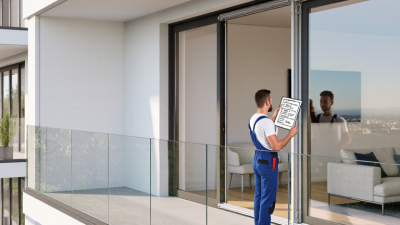
Top Multi Family Patio Door Suppliers for Global Buyers
Selecting the right Multi-family patio door supplier affects comfort, maintenance, safety, and project profitability across every building phase. Global buyers need more than attractive catalogs. They need tested systems, dependable lead times, responsive technical support, and clear documentation for local project requirements.
Fenestration consultant Michael J. Casey explains, “A patio door succeeds when performance continues after installation.” That practical view matters in multi-family housing. A door may look impressive in a showroom, yet struggle with wind-driven rain, frequent balcony traffic, or repeated hardware use. Small details reveal quality. Check roller durability, frame reinforcement, drainage paths, glass specifications, thermal breaks, and replacement-part availability. Ask for installation guidance, warranty terms, factory inspection procedures, and completed project references.
Performance comes first.
This guide compares leading suppliers serving international developers, architects, contractors, and distributors. It considers product consistency, customization, factory capacity, communication, packaging, and after-sales support. A supplier that answers quickly can still disappoint if its drawings lack accuracy. Another may offer excellent engineering but limited regional service. That is where buyers must think carefully.
No supplier fits every project.
Cost remains important, but the lowest quotation can hide higher labor expenses, damaged shipments, or difficult repairs. Strong suppliers explain limitations instead of promising everything. They also acknowledge that coastal towers, student residences, hotels, and suburban apartments require different patio door strategies. The following overview helps global buyers evaluate those differences with practical judgment, not marketing language alone.
Read more »
By:Ethan
- September 17, 2026

China Top Multi Family Window Installation Suppliers
Choosing China’s top multi-family window installation suppliers requires more than comparing factory prices. It demands careful review of manufacturing experience, installation capacity, and project documentation. This guide introduces suppliers serving apartments, student housing, hotels, and other large residential developments.
Reliable partners should understand repeated installation across multiple floors. They should also manage drawings, measurements, packaging, delivery schedules, and on-site coordination. Look for evidence from completed projects, not attractive brochures alone. Factory visits, sample inspections, and third-party testing can reveal important details.
Small details matter.
A qualified supplier may offer aluminum, uPVC, or thermally broken window systems for different climates. Their technical team should explain U-values, air tightness, water resistance, glass specifications, and hardware performance in practical terms. They should also clarify whether installation crews are directly employed or subcontracted.
Multi-family window installation involves more risk than supplying individual windows. A small measurement error can affect hundreds of openings. Delayed glass, missing fasteners, or unclear drawings may disrupt an entire construction schedule. Suppliers with organized quality control can reduce these problems, but no company is perfect.
That deserves honest attention.
This article will compare supplier capabilities, product ranges, quality systems, installation experience, communication standards, and after-sales support. It will also highlight questions buyers should ask before signing a contract. Regional building codes and project conditions differ, so professional verification remains essential. A supplier that performs well in one market may still require adjustment for another. The strongest choice is not always the lowest quotation. It is the partner that combines tested products, transparent communication, practical experience, and dependable project support.
Read more »
By:Oliver
- September 17, 2026