

Walker Windows Knowledge Base

Blog & Industry Insights

Technical installation guides, pre-construction best practices, and commercial window news.

0%

Choosing China’s top multi-family window installation suppliers requires more than comparing factory prices. It demands careful review of manufacturing experience, installation capacity, and project documentation. This guide introduces suppliers serving apartments, student housing, hotels, and other large residential developments.

Reliable partners should understand repeated installation across multiple floors. They should also manage drawings, measurements, packaging, delivery schedules, and on-site coordination. Look for evidence from completed projects, not attractive brochures alone. Factory visits, sample inspections, and third-party testing can reveal important details.

Small details matter.

A qualified supplier may offer aluminum, uPVC, or thermally broken window systems for different climates. Their technical team should explain U-values, air tightness, water resistance, glass specifications, and hardware performance in practical terms. They should also clarify whether installation crews are directly employed or subcontracted.

Multi-family window installation involves more risk than supplying individual windows. A small measurement error can affect hundreds of openings. Delayed glass, missing fasteners, or unclear drawings may disrupt an entire construction schedule. Suppliers with organized quality control can reduce these problems, but no company is perfect.

That deserves honest attention.

This article will compare supplier capabilities, product ranges, quality systems, installation experience, communication standards, and after-sales support. It will also highlight questions buyers should ask before signing a contract. Regional building codes and project conditions differ, so professional verification remains essential. A supplier that performs well in one market may still require adjustment for another. The strongest choice is not always the lowest quotation. It is the partner that combines tested products, transparent communication, practical experience, and dependable project support.
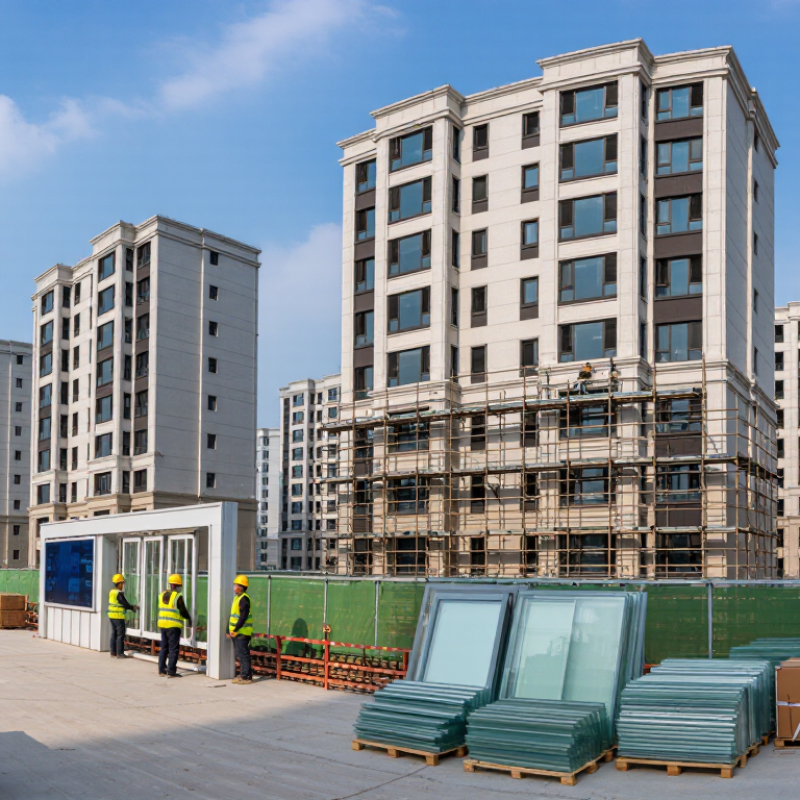
China Top Multi Family Window Installation Suppliers

Definition and Role of Multi-Family Window Installation Suppliers in China

Multi-family window installation suppliers in China coordinate more than product delivery. They connect architects, contractors, fabricators, and site teams. Their role includes opening surveys, thermal design, shop drawings, manufacturing control, transport, installation, and maintenance guidance. This integrated service matters because apartment buildings contain repeated façades, varied orientations, and strict handover schedules. One small alignment error can appear across hundreds of units.

The UNEP Global Status Report for Buildings and Construction 2023 states that buildings used about 34% of global energy in 2022. Windows influence heating, cooling, daylight, noise, and indoor comfort. Experienced suppliers therefore assess glazing, frame materials, air leakage, water resistance, solar gain, and local weather conditions together. They should support performance testing, site mock-ups, and documented quality inspections. However, no supplier gets every project right. Poor communication between design and installation teams still causes gaps, leakage, and costly rework.

Tips: Request a full installation method statement, not only a quotation. Check test reports, worker training records, and previous multi-family project experience. Visit a completed site when possible. Confirm tolerances before fabrication. A practical review should also examine packaging, storage, sealant compatibility, and after-sales response times. China’s construction scale creates efficiency, but speed can hide weak inspection routines. Clear evidence remains more valuable than impressive claims.

Key Services Offered by China’s Multi-Family Window Specialists

China’s multi-family window specialists support projects from site measurement to final handover. Their teams inspect openings, wall conditions, drainage paths, and existing damage before recommending solutions. This practical step reduces fitting errors in apartments, hotels, and student housing. Services may include custom window design, profile selection, glass configuration, shop drawings, and sample approval.

Manufacturers often coordinate fabrication, packaging, delivery, and on-site installation. Experienced crews check frame alignment, anchor spacing, sealant joints, and opening operation. They can also provide thermal, acoustic, safety, and weather-resistance options for different building needs. Project managers may assist with installation schedules and quality records. However, communication can still fail when drawings lack local measurements or details. That deserves attention.

Tips: Request a room-by-room survey before production. Confirm glass performance, hardware specifications, and installation responsibilities in writing. Ask for test reports from qualified laboratories, not only sales claims. Keep approved samples on site for comparison. A small sealing gap can become a serious water problem later. Regular inspections help identify mistakes before interior finishes hide them. Experienced suppliers should explain limitations clearly, accept reasonable revisions, and provide maintenance guidance after installation. Reliable service is not only fast delivery. It is traceable work, careful documentation, and responsive support when site conditions change.

China Top Multi Family Window Installation Suppliers - Key Services Offered by China’s Multi-Family Window Specialists

Service Area Typical Scope for Multi-Family Projects Common Deliverables Key Quality or Compliance Checkpoints Typical Project Stage
Project Consultation Review of building type, unit layouts, façade requirements, climate exposure, opening sizes, and applicable local codes. Preliminary window schedule, configuration recommendations, and technical requirement checklist. Alignment with approved architectural drawings, structural openings, fire-safety requirements, and regional energy rules. Planning and design development
Window System Design Development of fixed, sliding, casement, awning, tilt-and-turn, or combined configurations for apartments and shared areas. Shop drawings, section details, hardware schedules, glazing specifications, and interface details. Correct frame dimensions, drainage paths, safety restrictors, egress requirements, and compatibility with façade materials. Technical design and approval
Glazing Selection Selection of single, double, or triple insulating glass according to thermal, acoustic, solar-control, and safety requirements. Glass build-up, thickness, coating position, spacer type, and safety-glass schedule. Safety glazing at hazardous locations, sealed-unit integrity, visible defects, edge quality, and project-specific performance targets. Design approval and production
Thermal Performance Planning Coordination of frame material, glazing, spacers, seals, and installation details to support the building envelope strategy. Declared or calculated U-values, solar-control information, and condensation-risk considerations where required. Performance values must be evaluated for the complete window assembly rather than glass alone and checked against local regulations. Energy compliance and detailing
Acoustic Specification Assessment of traffic, rail, aircraft, mechanical, and neighborhood noise for residential units and common areas. Target sound-reduction values, glass configuration, seal requirements, and room-specific recommendations. Continuity of seals, correct frame installation, and avoidance of unsealed perimeter gaps that can reduce field performance. Façade design and unit planning
Factory Quality Control Inspection of profiles, hardware, glass, seals, drainage openings, assembly accuracy, and surface finish before shipment. Inspection records, dimensional checks, packing lists, photographs, and nonconformance reports when applicable. Batch traceability, correct quantities, dimensional tolerances, functional operation, and protection against transport damage. Manufacturing and pre-shipment
Packaging and Logistics Protection and organization of window units, loose components, hardware, screens, trims, and installation accessories. Container or shipment packing plan, pallet identification, loading photographs, and delivery documentation. Moisture control, corner protection, vertical storage guidance, clear unit labeling, and verification of received quantities. Shipment and site receiving
On-Site Installation Setting, leveling, fixing, shimming, sealing, flashing, drainage coordination, glazing, hardware adjustment, and protection. Installation method statement, sequencing plan, daily progress records, and completed-unit checklist. Anchorage, frame alignment, perimeter air and water seals, sill drainage, movement allowances, and safe working practices. Building-envelope construction
Water and Air Tightness Inspection or testing of installed units and their interfaces with masonry, concrete, cladding, insulation, and interior finishes. Test plan, test reports, defect register, corrective-action records, and reinspection results. Continuous perimeter sealing, correct sealant application, unobstructed drainage, and test results meeting the project specification. Installation verification and handover
Safety and Egress Coordination Coordination of fall protection, opening restrictors, laminated or tempered safety glass, emergency escape openings, and balcony interfaces. Safety hardware schedule, opening-size verification, and room-by-room compliance checklist. Requirements vary by jurisdiction and building type; final approval should follow the applicable building and fire codes. Design review and final inspection
Testing and Inspection Support Support for visual inspections, operation checks, water testing, air testing, acoustic review, and sample-unit approval. Inspection forms, sample approval records, punch lists, and closeout documentation. Testing should reflect the approved specification and use qualified personnel or independent laboratories where required. Quality assurance and commissioning
Handover and After-Sales Support Final adjustment, cleaning guidance, operating instructions, replacement-part coordination, and defect resolution. As-built window schedule, care and maintenance manual, warranty terms, spare-parts list, and handover sign-off. Warranty coverage, response procedures, exclusions, maintenance intervals, and documented closure of outstanding defects. Practical completion and occupancy

Note: Scope, performance targets, testing procedures, lead times, and warranty conditions should be confirmed against the project drawings, contract documents, and applicable local building regulations.

Window Types and Materials Used in Multi-Family Buildings

China Top Multi Family Window Installation Suppliers

Multi-family buildings need window systems that balance comfort, safety, cost, and maintenance. Common types include sliding, casement, awning, tilt-and-turn, and fixed windows. Sliding windows suit compact rooms because the sashes do not swing inward. Casement windows usually provide stronger ventilation and tighter compression seals. Fixed windows add daylight but cannot support natural airflow.

Material selection changes the building’s long-term performance. Aluminum frames are lightweight, durable, and suitable for tall openings. Thermal breaks help reduce heat transfer through the frame. uPVC frames offer good insulation and resist moisture, making them practical for residential projects. Wood creates a warm appearance, but it needs careful sealing and regular inspection. Composite frames can combine strength with improved thermal performance, although their cost may be higher.

Glass also deserves close attention. Double glazing is widely used, while triple glazing may suit colder climates or demanding energy targets. Low-emissivity coatings can limit heat loss and solar gain. Laminated glass improves safety and sound control, especially near busy roads. In coastal areas, hardware and fasteners need corrosion-resistant finishes. Small details matter. Poor installation can weaken excellent materials. Field checks should include frame alignment, drainage paths, sealant joints, and opening operation. Some project teams focus too heavily on price. That is a mistake I have seen repeatedly. A cheaper window may create higher cleaning, repair, and energy costs later. Proper testing and clear installation records make supplier evaluation more reliable.

How to Evaluate a Reliable Chinese Window Installation Supplier

Evaluating a Chinese window installation supplier requires more than comparing quotations. In multi-family projects, installation quality affects comfort, leakage, callbacks, and operating costs. The International Energy Agency’s Buildings 2023 report states that buildings consume about 30% of global final energy and produce roughly 26% of energy-related emissions. Windows are not the only cause, but poor interfaces can waste performance quickly.

Ask for project evidence, not polished photographs. Request addresses, completion dates, system drawings, and permission to contact recent clients. Check whether the supplier controls measurement, fabrication, delivery, and site installation.

A reliable team should provide tested U-values, air leakage, water penetration, structural resistance, and acoustic data for the proposed configuration. The U.S. Department of Energy notes that windows can represent 25–30% of residential heating and cooling energy use. That figure is not a Chinese project guarantee, yet it shows why glass, frames, seals, and installation deserve joint evaluation. Require independent laboratory reports with identifiable samples and test conditions.

Before Volume Production

Approve a full-size mock-up. Inspect shims, anchors, drainage paths, sealant joints, and tolerance records. Then perform water testing after installation, not only at the factory.

Site Execution

Ask how workers are trained and how defects are logged. A written warranty should define response times, replacement duties, and exclusions.

I would compare three suppliers using the same bill of quantities. The lowest quote may hide scaffolding, protection, or rework costs.

Be careful here. Some evaluations overvalue certificates and undervalue supervision. A supplier can have excellent test data and still fail through rushed site coordination.

Project Process, Quality Control, and Compliance Considerations

China Top Multi Family Window Installation Suppliers

Reliable window projects begin before glass reaches the construction site. Suppliers should review elevations, opening sizes, wind loads, thermal targets, and fire-stopping details. A coordinated shop-drawing process can prevent costly frame clashes between concrete, insulation, and interior finishes. Physical mock-ups are valuable. They expose drainage, sealant, and hardware problems early.

The UNEP 2023 Global Status Report for Buildings and Construction states that buildings consume about 30% of global final energy and create approximately 26% of energy-related emissions. Window selection therefore affects both comfort and project performance. Suppliers should provide verified U-values, solar heat gain data, air leakage results, and glass safety documentation. Factory inspections should check profile dimensions, coating consistency, gasket compression, drainage paths, and corner joints. Small defects matter.

Testing should continue after installation. Air infiltration can be assessed under ASTM E783, while water penetration commonly follows ASTM E331 or equivalent regional standards. Curtain wall projects may also reference EN 13830, depending on the destination market. Compliance is not only a certificate folder. It includes traceable material batches, installer training, inspection records, and correctly approved substitutions. Local fire, energy, structural, and accessibility requirements must govern the final design.

In practice, schedules slip. Site openings are rarely perfect. No checklist catches every mistake. Suppliers should record deviations honestly, propose documented repairs, and obtain written approval before changing tested assemblies. A rushed sealant application can undermine an otherwise capable system.

China Top Multi-Family Window Installation Suppliers: Project Process, Quality Control, and Compliance Considerations

Typical planning benchmarks for an export-oriented multi-family window project. Actual durations vary by project size, specification, testing scope, and destination-market requirements.

Interpretation: Production and international logistics generally represent the longest stages. Quality control should cover design approval, incoming-material inspection, in-process checks, final inspection, and documented compliance testing before shipment.

FAQS

Which window types suit multi-family buildings?

Sliding windows save interior space because their sashes move horizontally. Casement windows usually provide stronger ventilation and tighter seals. Fixed windows bring daylight, but they do not provide natural airflow.

How should frame materials be compared?

Aluminum is lightweight and suitable for tall openings. Thermal breaks can reduce heat transfer. uPVC offers insulation and moisture resistance. Wood looks warm, but requires regular sealing and inspection.

When are composite frames worth considering?

Composite frames can combine structural strength with improved thermal performance. Their purchase cost may be higher. Long-term savings are not guaranteed without careful installation and maintenance.

What glass features matter most?

Double glazing suits many residential projects. Triple glazing may help in colder climates. Low-emissivity coatings can reduce heat loss and unwanted solar gain. Laminated glass improves safety and noise control.

What details matter in coastal locations?

Use corrosion-resistant finishes for hardware and fasteners. Inspect drainage paths carefully. Salt air is unforgiving. Small rust marks can become expensive repairs.

How can a supplier’s experience be verified?

Request project addresses, completion dates, drawings, and recent client contacts. Photos alone are weak evidence. Ask whether the supplier controls measurement, fabrication, delivery, and installation.

Which performance tests should a supplier provide?

Request tested U-values, air leakage, water penetration, structural resistance, and acoustic performance. Reports should identify samples and testing conditions. A certificate without context proves less than expected.

What should happen before full production?

Approve a full-size mock-up before volume production. Check anchors, shims, sealant joints, drainage, and tolerance records. Test water performance after installation. Factory testing alone is not enough.

How should installation quality be monitored?

Review frame alignment, opening operation, drainage paths, and sealant continuity. Keep clear inspection records and defect logs. Rushed coordination can damage excellent materials. I sometimes underestimate this risk.

How should supplier quotations be compared?

Compare at least three suppliers using the same bill of quantities. Check scaffolding, protection, testing, and rework costs. The lowest price may become the highest operating cost.

Conclusion

China’s top multi-family window installation suppliers play an important role in supporting apartment complexes, condominiums, student housing, and other large residential developments. These specialists typically provide window consultation, product selection, measurement, fabrication coordination, delivery, installation, replacement, and after-sales support. Their expertise helps project owners achieve consistent performance, attractive designs, energy efficiency, weather resistance, sound reduction, and compliance with relevant construction requirements. Common solutions include aluminum, uPVC, and thermally improved window systems, using options such as double glazing, laminated glass, sliding windows, casement windows, and custom configurations.

When evaluating a reliable Chinese supplier, buyers should review technical capabilities, production capacity, installation experience, quality certifications, communication standards, and references from comparable projects. A professional Multi-family window installation supplier should maintain a clear process covering site surveys, shop drawings, material confirmation, sample approval, manufacturing, packaging, delivery, installation, inspection, and maintenance. Strong quality control, accurate documentation, safe installation practices, and transparent project management are essential for reducing delays, controlling costs, and ensuring durable results across large-scale residential buildings.

Oliver

Oliver

Oliver is a dedicated marketing professional who combines strategic insight, industry knowledge, and a strong understanding of customer needs. As a key contributor to our company, he is highly familiar with our products, services, and the practical value they provide to businesses and everyday......