Selecting the right Multi-family patio door supplier affects comfort, maintenance, safety, and project profitability across every building phase. Global buyers need more than attractive catalogs. They need tested systems, dependable lead times, responsive technical support, and clear documentation for local project requirements.
Fenestration consultant Michael J. Casey explains, “A patio door succeeds when performance continues after installation.” That practical view matters in multi-family housing. A door may look impressive in a showroom, yet struggle with wind-driven rain, frequent balcony traffic, or repeated hardware use. Small details reveal quality. Check roller durability, frame reinforcement, drainage paths, glass specifications, thermal breaks, and replacement-part availability. Ask for installation guidance, warranty terms, factory inspection procedures, and completed project references.
Performance comes first.
This guide compares leading suppliers serving international developers, architects, contractors, and distributors. It considers product consistency, customization, factory capacity, communication, packaging, and after-sales support. A supplier that answers quickly can still disappoint if its drawings lack accuracy. Another may offer excellent engineering but limited regional service. That is where buyers must think carefully.
No supplier fits every project.
Cost remains important, but the lowest quotation can hide higher labor expenses, damaged shipments, or difficult repairs. Strong suppliers explain limitations instead of promising everything. They also acknowledge that coastal towers, student residences, hotels, and suburban apartments require different patio door strategies. The following overview helps global buyers evaluate those differences with practical judgment, not marketing language alone.
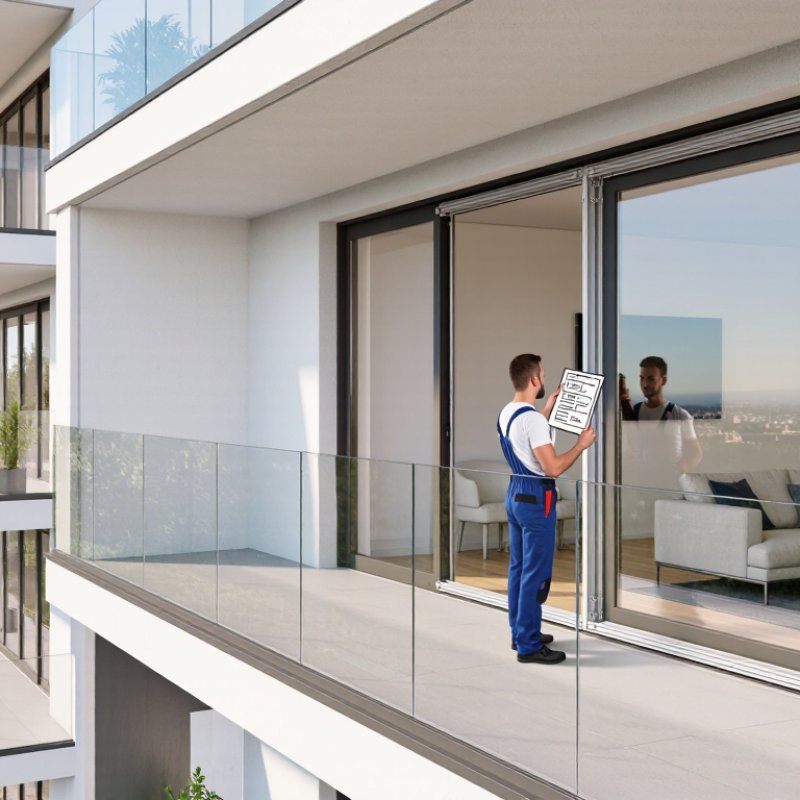
What Are Multi-Family Patio Doors and Why Do Global Buyers Need Them?
Multi-family patio doors are large glazed door systems designed for apartments, condominiums, and other shared residential buildings. They usually connect living rooms with balconies, terraces, or courtyards. Unlike single-home doors, they face repeated daily use, different occupants, and stricter maintenance expectations.
The need is growing with urban housing demand. The United Nations projects that 68% of the world’s population will live in urban areas by 2050. More urban residents mean more multi-family developments and shared outdoor spaces. Door performance matters here. The 2023 Global Status Report for Buildings and Construction states that buildings consume about 30% of global final energy. Poorly sealed patio doors can increase drafts, outside noise, and cooling loads. Small gaps become expensive across hundreds of units.
Global buyers should examine air leakage, water resistance, thermal performance, impact strength, hardware life, and replacement access. Testing should follow recognized regional standards, because climate conditions differ sharply. A coastal project may need corrosion-resistant components. A cold-climate project needs stronger thermal breaks and reliable seals. A hot region may prioritize solar control glass.
Use real project evidence.
Supplier experience also matters. Ask for test reports, installation guidance, warranty terms, and spare-part availability. The International Energy Agency notes that building efficiency improvements remain essential for reducing energy demand. Yet no specification is perfect. Over-insulating a door without proper drainage can create new problems. Careful design, verified testing, and site feedback should guide the final purchase.
Key Features to Compare When Selecting Patio Door Suppliers
When global buyers compare multi-family patio door suppliers, product appearance is only a starting point. I examine frame materials, glass configuration, thermal performance, and drainage design. A supplier should provide tested air, water, and structural results, not vague claims. Ask for the test standard and report date. Details matter. For coastal projects, corrosion-resistant hardware and sealed rollers deserve close attention. In colder regions, low-emissivity glazing and warm-edge spacers can reduce interior condensation.
Manufacturing control is equally important. I compare sample corners, lock alignment, gasket compression, and track smoothness by hand. A polished sample can hide inconsistent production. Request factory quality records, dimensional tolerances, and inspection photos from a current order. Suppliers should explain how they manage custom sizes, replacement parts, and export damage. Strong packaging includes corner protection, moisture barriers, labeled components, and loading diagrams. Delivery promises should include production time, port handling, and a realistic buffer.
Service often separates a dependable supplier from a merely inexpensive one.
Check installation manuals, shop-drawing support, response times, warranty scope, and references from comparable multi-family buildings. Warranty language needs careful reading. Does it cover labor, hardware, glass seals, and finish failure? I once treated a low unit price as the best value, then overlooked installation complexity and spare-part availability. That mistake still influences my comparison sheets. Buyers should score suppliers against identical criteria and verify claims with independent testing where possible. Some decisions remain uncertain. Document them before signing.
Leading Multi-Family Patio Door Suppliers for International Projects
Leading Multi-Family Patio Door Suppliers for International Projects
International buyers need more than attractive patio doors. They need suppliers who understand climate, codes, logistics, and repeated installation. The UNEP Global Status Report for Buildings and Construction 2023 states that buildings consume about 30% of global final energy. Door performance therefore affects long-term project costs. The U.S. Department of Energy also reports that windows can cause 25–30% of residential heating and cooling energy use. Patio doors deserve equal attention.
Reliable suppliers should provide tested U-values, air leakage results, water resistance data, and acoustic ratings. These documents support compliance across different markets. Sliding systems must also suit local wind loads and balcony exposure. In coastal projects, corrosion-resistant hardware matters. On busy sites, replaceable rollers can reduce future maintenance delays. A supplier may offer excellent specifications, yet weak packaging can still damage frames during ocean transport. That issue is easy to underestimate.
Tips: Request full test reports, not only brochures. Confirm performance under the project’s climate zone. Ask for pallet dimensions and spare-part availability. Review mock-up results before mass production. A lower purchase price can become expensive after installation. Also, allow time for local approval. We have seen schedules fail because technical documents arrived too late. That is not a glamorous lesson, but it is a useful one. Certain assumptions may still need review when site conditions change.
How to Evaluate Supplier Quality, Compliance, and Production Capacity
Top Multi Family Patio Door Suppliers for Global Buyers
How to Evaluate Supplier Quality, Compliance, and Production Capacity
A reliable supplier should provide traceable evidence, not attractive promises. The U.S. Department of Energy reports that windows can cause 25–30% of residential heating and cooling energy use. This makes air leakage, glass performance, and frame design serious purchasing concerns. Request test reports for thermal transmittance, air infiltration, water resistance, and wind load. Check whether an accredited laboratory issued them. Verify the tested configuration matches your proposed patio door, including hardware and glazing.
Compliance needs local relevance. Ask for documentation against applicable standards, such as AAMA/WDMA/CSA 101/I.S.2/A440, EN standards, or regional building codes. The 2023 ISO Survey recorded more than 1.2 million ISO 9001 certificates worldwide. Certification helps, but it does not prove consistent production. Review corrective-action records, incoming material checks, and final inspection samples. A polished certificate is not enough.
Production capacity requires numbers. Request monthly output, current utilization, mold availability, staffing levels, and peak-season lead times. Compare these figures with your forecast, not the supplier’s best month. During an audit, count finished units and inspect packaging near the loading area. Ask for recent on-time delivery data and failure rates. Some factories report impressive capacity, yet outsource critical assembly. That deserves careful questioning. A small pilot order can expose weak sealing, inconsistent color, or damaged corners before a large shipment. My own caution is simple: capacity claims are estimates until repeated orders confirm them.
Ordering, Shipping, and Installation Considerations for Global Buyers
Top Multi Family Patio Door Suppliers for Global Buyers
Global buyers should evaluate suppliers beyond catalog price. Request tested U-values, air leakage, water resistance, wind-load ratings, and verified dimensions. The U.S. Department of Energy notes that windows can cause 25–30% of residential heating and cooling energy use. Patio doors deserve equal attention. For multifamily projects, confirm balcony exposure, floor height, corrosion risk, and local safety requirements before ordering. A sample unit can reveal weak rollers, poor seals, or confusing hardware instructions.
Shipping needs engineering, not guesswork. UNCTAD reports that over 80% of global merchandise trade moves by sea. One damaged container can affect an entire installation schedule. Ask suppliers to use reinforced corner protection, moisture barriers, labeled hardware cartons, and pallet plans matching each building elevation. Confirm Incoterms, port responsibilities, customs documents, insurance, and replacement-part timing in writing. Container optimization matters, but overpacking can make unloading unsafe. The cheapest freight plan may become expensive on site.
Installation quality controls long-term performance. Require approved shop drawings, rough-opening tolerances, sill-pan details, drainage paths, and fastener schedules. Arrange a mock-up installation before mass delivery. The 2023 Global Status Report for Buildings and Construction states that buildings produced about 37% of global energy and process-related emissions in 2022. Better seals and thermal breaks support lower operating demand. Still, specifications alone do not guarantee results. Crews may improvise. Inspect the first floors, record deviations, and train installers with clear photos and local-language instructions.
Top Multi Family Patio Door Suppliers for Global Buyers
Ordering, shipping, and installation considerations should begin with accurate opening dimensions. The chart below shows common nominal patio-door opening widths used in residential and multi-family specifications.
Reference dimensions are shown in millimeters and are not brand-specific market-share data. Buyers should confirm structural opening sizes, frame tolerances, glazing requirements, packaging dimensions, container loading plans, local building codes, and installation clearances with the selected supplier before placing an order.
FAQS
They are large glazed door systems for apartments, condominiums, and shared residential buildings. They often connect living rooms with balconies, terraces, or courtyards. They face repeated daily use.
Many residents use the same doors every day. Poor seals can cause drafts, outside noise, and higher cooling demand. Small gaps become costly across hundreds of apartments.
Compare air leakage, water resistance, thermal performance, impact strength, and hardware life. Also check drainage design and replacement access. Brochures alone are not enough.
Coastal projects may need corrosion-resistant hardware and sealed rollers. Cold regions may require thermal breaks, low-emissivity glass, and warm-edge spacers. Hot climates may benefit from solar-control glazing.
Request complete air, water, structural, thermal, and acoustic test reports. Confirm the testing standard and report date. Real project evidence is more useful than broad promises.
Examine sample corners, lock alignment, gasket compression, and track movement by hand. Request dimensional tolerances and current inspection photos. A polished sample can still hide uneven production.
Packaging should include corner protection, moisture barriers, labeled components, and loading diagrams. Confirm pallet dimensions, port handling, production time, and a realistic delivery buffer. Damage happens.
Compare installation guidance, shop-drawing support, warranty coverage, spare parts, and response times. A low unit price may hide difficult installation or delayed replacements. I learned that lesson late.
Complete a project mock-up and check installation conditions on site. Verify local approvals and climate assumptions before signing. Some decisions will remain uncertain, so document them clearly.
Conclusion
Multi-family patio doors are designed for apartment buildings, condominiums, and other residential developments where durability, safety, energy efficiency, and consistent appearance are essential. Global buyers should compare frame materials, glass options, thermal performance, weather resistance, security features, maintenance requirements, customization flexibility, and installation compatibility when choosing a Multi-family patio door supplier. A dependable supplier should also provide clear technical documentation, stable quality control, recognized testing or compliance records, and sufficient production capacity for large international projects.
Before placing an order, buyers should review samples, factory capabilities, quality inspection procedures, lead times, packaging standards, and after-sales support. It is also important to confirm product specifications, trade terms, shipping arrangements, import documentation, and installation guidance in advance. Careful planning helps reduce damage during transportation, avoid site delays, and ensure that the selected patio doors perform reliably across different climates and building conditions.