

1. B2B Technical Whitepaper: Engineering CE-Certified Window Flashing Systems
In modern commercial construction, high-density residential developments, and envelope-critical architectural projects, window perimeter detailing represents the single highest liability zone for moisture intrusion and thermal degradation. Industry data reveals that over 80% of building envelope water ingress claims stem from compromised window flashing interfaces rather than failure of the glazing unit itself. Securing a certified, field-tested flashing sequence manufactured by established direct-export factories is essential for general contractors, architectural specifiers, and procurement directors aiming to deliver zero-defect projects.
CE marking under EN 14351-1 (for windows and external pedestrian doorsets) and EN 13830 (for curtain walling) mandates rigorous testing for watertightness, air permeability, resistance to wind load, and thermal transmittance. However, achieving compliance in controlled laboratory environments differs substantially from field conditions. A robust window flashing assembly must seamlessly interface with diverse wall assemblies—including mass masonry, steel stud framing with exterior gypsum, exterior insulation finish systems (EIFS), and rainscreen cladding.
Comparative Flashing Membrane Engineering Matrix
Selecting the optimal flashing membrane requires understanding chemical compatibility, low-temperature elasticity, UV exposure resistance, and vapor permeability. Below is an engineering evaluation of primary flashing materials exported globally:
| Flashing Material Type | CE & ASTM Standards | UV Exposure Limit | Vapor Permeability | Self-Healing Properties | Primary Application |
|---|---|---|---|---|---|
| Modified Bitumen (Self-Adhered) | EN 13859-2 / ASTM D1970 | 30–90 Days | Vapor Impermeable (<0.1 perm) | High (Seals fastener penetrations) | Flush-fin vinyl and timber frame openings |
| Butyl Adhesive Membranes | EN 13984 / AAMA 711 | 120–180 Days | Vapor Impermeable (<0.05 perm) | Moderate to High | High-temperature zones, aluminum framing |
| Fluid-Applied Synthetic Elastomers | EN 15814 / ASTM C836 | Permanent (If coated) | Variable (0.5 to 15 perms) | Monolithic (No lap seams) | Recessed openings, deep commercial sills |
| Vapor-Permeable Polypropylene Tapes | EN 13859-1 / AAMA 711 Class A | 180 Days | Vapor Permeable (>10 perms) | Moderate | Cold climates, continuous insulation wraps |
2. Detailed Product Recommendations & Structural Integration
Exported fenestration products must not be treated as isolated components. To achieve peak energy performance (matching Passive House or Title 24 guidelines) and complete weatherization, window profiles must match specific structural flashing protocols.
Recessed Opening Flashing Integration
Recessed openings represent the most complex waterproofing condition in modern architectural designs. Flashing deep rough openings requires a multi-stage sequence: a sloped rigid sill pan, seamless corner boots, fluid-applied membrane bridging, and counter-flashing tied into the Water-Resistive Barrier (WRB).
Thermal Break & Condensation Control
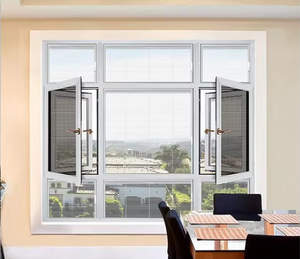
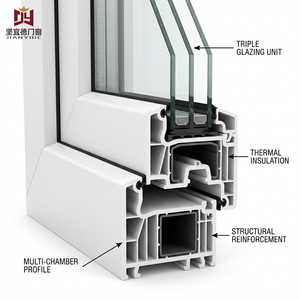
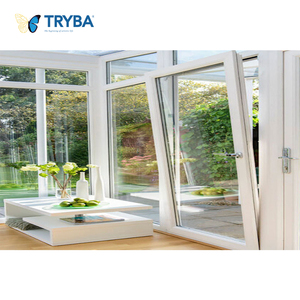
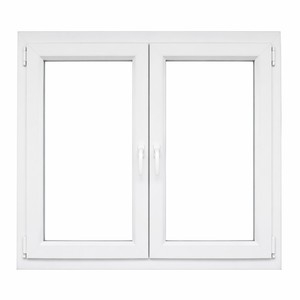
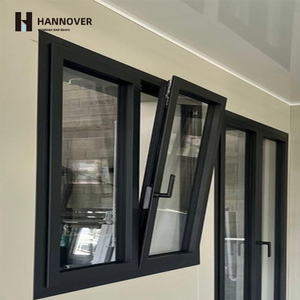
High-performance triple-glazed aluminum casement and tilt-and-turn windows utilize polyamide thermal breaks to eliminate cold bridging. Flashing tapes installed around these frames must incorporate engineered vapor-variable layers to prevent moisture entrapment within the wall cavity.
Hurricane Impact & Wind Pressure Resistance
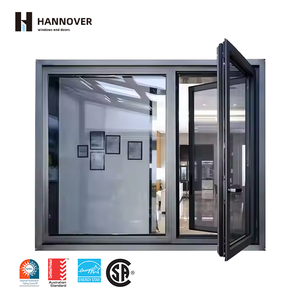
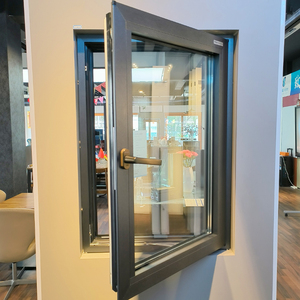
Heavy-duty aluminum hurricane-impact casements require structural flashing anchor plates that do not compromise the waterproof seal. Fastener penetrations must pass through self-healing butyl flashing or specialized mechanical gaskets rated for high DP (Design Pressure) loads.
Requiring Engineering Submittals or Custom Flashing Specifications?
Consult with our technical specialists for complete shop drawings, factory pre-flashing mock-ups, and project-specific quotes.
3. Future Procurement & Global Supply Chain Trends (2025–2030)
The global construction supply chain is undergoing a seismic transition driven by carbon accounting, off-site industrialized construction, and heightened strictness in building envelope compliance. Developers, importers, and general contractors sourcing CE-certified windows and flashing assemblies must adapt to these three defining procurement trends:
1. Shift Toward Off-Site Unitized & Pre-Flashed Pods
On-site labor shortages and quality control challenges in North America, Western Europe, and Australia are driving demand for factory-installed fenestration sub-assemblies. Overseas factories are now supplying fenestration units with pre-integrated flashing fins, factory-bonded membrane skirts, and pre-applied perimeter thermal insulation strips. This factory-controlled execution eliminates field application errors, reduces installation time on-site by up to 60%, and guarantees consistent bond strength.
2. EPD Transparency & Low Embodied Carbon Flashing Media
Under the EU Green Deal regulations and ISO 14025 Environmental Product Declarations (EPD), procurement criteria now assess embodied carbon along with U-factors. Traditional solvent-heavy bitumen flashing is increasingly replaced by recyclable, solvent-free polyolefin and acrylate-based fluid membranes. High-efficiency UPVC profiles featuring recycled cores and low-carbon extruded aluminum profiles with thermal breaks are becoming mandatory items in public and commercial tenders.
3. Integrated Supply Logistics & Moisture-Controlled Container Shipping
Cross-border transport of precision-engineered glass and pre-flashed window assemblies requires specialized seaworthy packaging. Top-tier exporters now implement climate-controlled packaging, vapor-inhibiting protective films, and shock-monitored crating to ensure that factory-applied flashing membranes and sensitive low-E coatings maintain pristine chemical and structural integrity upon jobsite delivery.
4. Technology Development & Moisture Protection Evolution
Fenestration weatherization has evolved from rudimentary paper-and-tar methods to dynamic, chemically engineered envelope integration systems. Understanding this historical and technical evolution enables specifiers to avoid outdated, failure-prone assemblies.
Generation 1: Mechanical Paper & Felt
Relied on asphalt-saturated felt paper mechanically fastened around rough openings. High risk of tearing, zero self-healing capability, and susceptible to severe air leakage.
Generation 2: Modified Bitumen Tapes
Introduced peel-and-stick convenience with rubberized asphalt. Provided basic water barriers but suffered from cold-temperature adhesion failures and chemical incompatibility with flexible PVC window flanges.
Generation 3: Advanced Polymers & Fluids
Current CE-certified standard featuring 100% butyl adhesives, STPE fluid-applied monolithic membranes, and smart vapor-permeable flashing tapes. Offers non-sag installation, outstanding UV stability, and complete fastener sealing.
Modern CE-certified factories lead this field by combining precision CNC extrusion with automated flashing skirt bonding. By uniting window structural frame design with perimeter membrane compatibility, advanced exporters eliminate the gap between the window manufacturer and the flashing supplier—providing a single point of technical accountability.
5. Enterprise Advantage & Field Execution Matrix
With an operational legacy dating back to 1999, our manufacturing partners and direct export services solve the most persistent challenge in building construction: bridging the gap between factory manufacturing, submittal documentation, and jobsite field execution. Trusted by 7 of the Top 10 U.S. General Contractors and leading global developers, our integrated approach provides proven reliability across millions of square feet of installed fenestration.
- Phase 1: Pre-Construction Architectural Support — Full plan review, thermal modeling, NFRC/CE submittal packages, shop drawings, and custom sill pan engineering.
- Phase 2: Jobsite Mock-Up & Water Testing — Fabrication of full-scale window and flashing mock-ups subjected to dynamic field water testing (ASTM E1105 / AAMA 501.2 / EN 13050) prior to mass production.
- Phase 3: Sequenced Factory Logistics — Floor-by-floor containerized delivery sequencing matching project schedule timelines to minimize site storage damage.
- Phase 4: Post-Installation Support & Warranty — Dedicated engineering response, single-source multi-year structural and weatherproofing warranties.
6. Frequently Asked Questions (FAQ) for Global Buyers & Engineers
Partner with a Direct CE Certified Flashing & Fenestration Manufacturer
Get direct factory pricing, engineering support, and reliable export logistics for your next multi-family or commercial development project.