

Precision-Engineered Double & Triple Glazed Window Systems
Direct from China's premier architectural glass fabrication facility. Compliant with NFRC, Energy Star, CE, and AS2047 standards for commercial, residential, and multi-family construction projects worldwide.
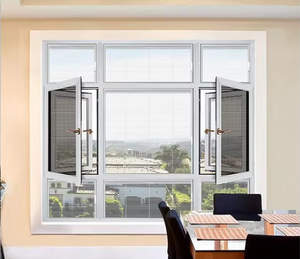
Modern Large Casement Hurricane Impact Anti-Theft Window
- Frame: Heavy-Duty Thermal Aluminum
- Glazing: Laminated Double Low-E
- Security: Multi-Point Security Locks
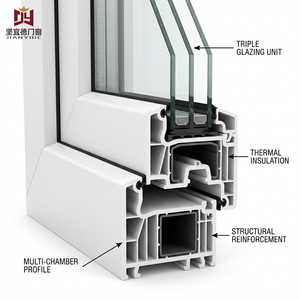
Multi-Chamber UPVC Triple Glazed Vinyl Window
- Climate: Extreme Cold / Alpine Zone
- U-Factor: ≤ 0.16 BTU/h·ft²·°F
- Feature: UV Resistant Vinyl Profile
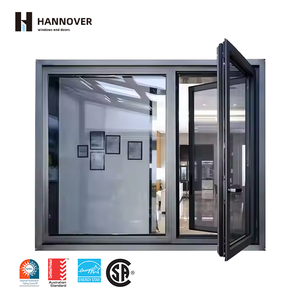
NFRC Aluminum Tilt and Turn Commercial Window
- Mechanism: German Hardware Tilt & Turn
- Application: Luxury Villa & High-Rise
- Gas Fill: 90% Argon Insulated IGU
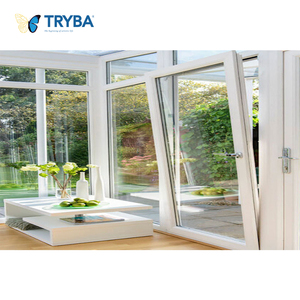
High Precision German System UPVC Tilt & Turn Windows
- Acoustics: STC Rating Up to 42 dB
- Reinforcement: Galvanized Steel Insert
- Sealing: Triple EPDM Gasket Line
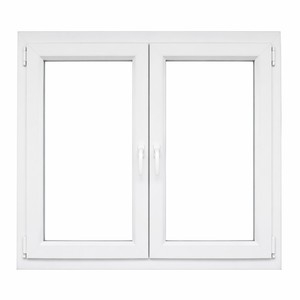
Wholesale UPVC Windows for Project Development
- Scale: Bulk Multi-Family Supply
- Customization: OEM/ODM Specific Sizes
- Lead Time: Optimized Container Dispatch
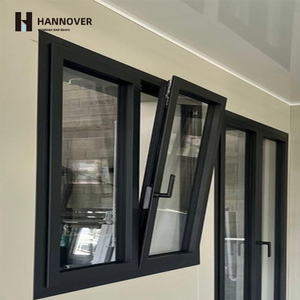
Double Glazed Aluminum Alloy Swing Casement Window
- Insulation: PA66 Nylon Polyamide Strip
- Finish: Fluorocarbon Powder Coating
- Glass: Double Silver Low-E Glass
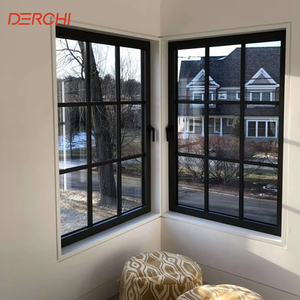
Narrow Frame Modern Triple Glazed Aluminum Window
- Design: Minimalist Architectural Profile
- Light Gain: +22% Visible Light Transmittance
- Spacer: Technoform Warm Edge Spacer
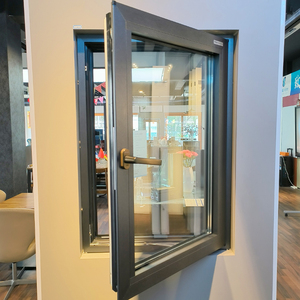
European Passive House Thermal Break Triple Glazed Window
- Standard: PHI Certified Component
- Airtightness: Class 4 (EN 12207)
- Infill: Krypton/Argon Hybrid Gas
Why Sourcing Double Glazing from Top Chinese Manufacturers Redefines Project ROI
In modern architectural engineering, fenestration represents up to 18% of a building's total envelope cost and over 40% of its thermal performance profile. Selecting the right double glazing supplier in China requires examining advanced automated fabrication lines, quality assurance verification, and compliance with strict international building codes.
Automated IGU Fabrication
State-of-the-art Bystronic and Lisec double-glazing production lines guarantee precise dual-seal application (Primary Polyisobutylene + Secondary Structural Silicone), preventing argon gas dissipation and ensuring a 25+ year seal integrity.
NFRC & AAMA Compliance
Our complete window systems undergo rigorous physical testing for air infiltration (ASTM E283), water penetration under static pressure (ASTM E331), and structural wind load performance (ASTM E330), backed by NFRC energy ratings.
PA66GF25 Thermal Break Strips
Using premium 25% glass-fiber reinforced polyamide thermal barrier strips within precision-extruded 6063-T5 aluminum profiles. This eliminates thermal bridging and prevents interior condensation across variable climate zones.
Technical Performance Comparison Matrix
Comprehensive engineering metrics comparing standard double glazing against high-efficiency thermal break system configurations.
| Glazing System Profile | U-Value (W/m²·K) | SHGC Range | STC Noise Rating | Max Wind Load (Pa) | Primary Application |
|---|---|---|---|---|---|
| Standard Double Glazed (5+12A+5 Clear) | 2.7 - 2.9 | 0.62 - 0.70 | 30 - 32 dB | 2500 Pa | Standard Residential Housing |
| Low-E Double Glazed (6+16Ar+6 Double Silver) | 1.3 - 1.6 | 0.28 - 0.40 | 35 - 38 dB | 4000 Pa | Commercial Office & Multi-Family |
| Thermal Break Triple Glazed (6+12Ar+6+12Ar+6) | 0.8 - 1.1 | 0.22 - 0.32 | 40 - 44 dB | 5500 Pa | High-Rise & Cold Climate Zones |
| Passive House Certified Hybrid IGU | 0.6 - 0.79 | 0.20 - 0.28 | 42 - 46 dB | 6000+ Pa | Zero-Energy Luxury & Institutional |
Future Procurement Trends in Double Glazed Windows Sourcing
As global building energy standards tighten—such as Title 24 in California, the European EPBD directive, and Australia's NCC 2025 energy mandates—the global demand for ultra-low U-factor fenestration has surged. Sourcing directly from top China manufacturers offers significant technological and commercial advantages:
“By 2028, over 65% of commercial architectural procurement will mandate Environmental Product Declarations (EPD) and embodied carbon tracking for window packages.”
- Warm Edge Technology Adoption: Traditional aluminum spacers are rapidly being replaced by stainless steel composite or rigid polyurethane warm-edge spacers to eliminate edge-of-glass heat loss.
- Triple-Silver Low-E Coatings: Advanced magnetron sputtering techniques allow double glazing to selectively block up to 82% of solar heat gain while transmitting over 68% of visible natural daylight.
- Integrated Venetian & Smart Electrochromic Glass: Motorized dynamic louvers sealed directly inside dust-free double glazed units reduce building HVAC maintenance costs dramatically.
- Low-Carbon Extrusion Hydro-Aluminium: Sourcing aluminum profiles produced via hydroelectric power to meet strict LEED and BREEAM embodied carbon goals.
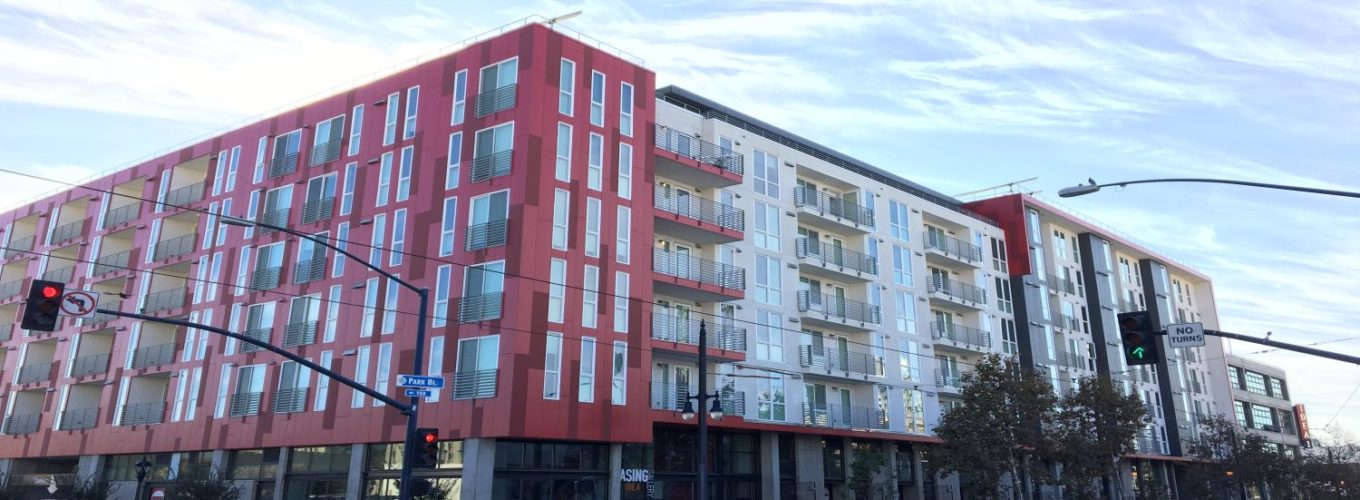
Mastering Recessed Window Waterproofing & Mock-Up Water Testing
The vast majority of building envelope failures in multi-family and commercial developments do not stem from glass failure, but from poor rough-opening flashing integration and improper sill pan drainage. High-tier Chinese manufacturers collaborate directly with project field superintendents to establish seamless weatherization protocols:
Recessed window installations represent one of the single most complex waterproofing conditions in modern podium framing. Our technical team prepares comprehensive shop drawings detailing self-adhered flashing membranes, end-dams, continuous back-bedding sealant beads, and weep-hole baffle alignments prior to mass manufacturing.
“Standardized Jobsite Mock-Up Testing (ASTM E1105) with third-party verification eliminates field rework and secures sign-off from architectural consultants before production shipping.”

Frequently Asked Questions for B2B Window Sourcing & Procurement
Direct answers to critical technical, logistical, and commercial queries raised by general contractors, developers, and architectural specifiers when sourcing double glazing from China.
Q1: How do Chinese double glazing manufacturers guarantee long-term Argon gas retention?
Leading Chinese manufacturers utilize fully automated Bystronic dual-seal lines. Primary sealing employs automated polyisobutylene (PIB) extruders, followed by secondary structural silicone (Dow Corning or Tremco). Argon gas filling takes place within an automated vacuum press chamber, reaching ≥90% concentration with an annual leak rate under 0.75% per EN 1279 standards.
Q2: What certifications are required for importing double glazed windows to the US & Australia?
For the US market, products must hold NFRC (National Fenestration Rating Council) thermal certification and IGCC/IGMA insulated glass seal certification. For Australia, compliance with AS2047 (windows in buildings) and AS1288 (glass selection and installation) is required, verified by NATA-accredited test lab reports.
Q3: Can custom architectural profiles and anodized finishes be produced in small batches?
Yes. Custom aluminum extrusion dies can be manufactured within 10 to 14 days. Extrusions are available in architectural anodizing (AAMA 611 standard), PVDF fluorocarbon paint coatings resistant to salt-spray coastal environments (AAMA 2605 standard), and textured woodgrain powder coats.
Q4: How are fragile double/triple glazed units packed to prevent container transit breakage?
IGUs and complete window packages are packed using heavy-duty, customized steel-reinforced A-frame crates or fumigated wooden crates. Individual glass units feature corner protection caps, cork separator pads, and vacuum-sealed plastic wrap with desiccant packs to prevent moisture condensation during ocean freight transit.
Q5: How do thermal break aluminum windows compare with UPVC windows in commercial projects?
Thermal break aluminum offers higher structural rigidity (moment of inertia), allowing much larger glass spans and slimmer sightlines suitable for high-rise wind loads. UPVC offers superior native thermal insulation at a lower material cost, making it highly cost-effective for mid-rise residential housing and cold-climate developments.
Q6: What is the typical lead time from drawing sign-off to jobsite delivery?
Following architectural submittal approval and shop drawing sign-off, raw profile extrusion and glass tempering take 20-25 days. Assembly, water testing, and packaging take 10 days. Ocean shipping ranges from 14 to 30 days depending on the destination port, bringing total turn-around to 45-65 days.
Ready to Request Engineering Submittals or Project Quotations?
Send your architectural plan take-offs, window schedules, or performance specifications. Our technical engineering team will review your drawings and provide a structural calculation and cost optimization proposal within 24 hours.
Get Catalog