

Featured Fenestration & Louvre Window Engineering
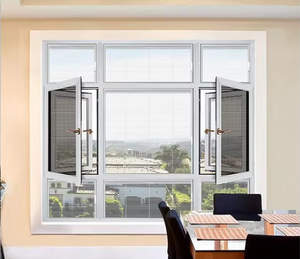
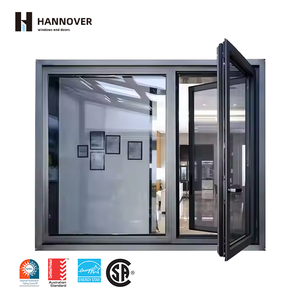
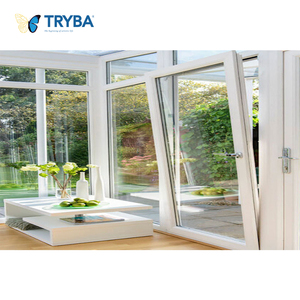
Explore our precision-engineered window and louver systems, customized for high-rise commercial developments, luxury multi-family projects, and passive energy-efficient structures.
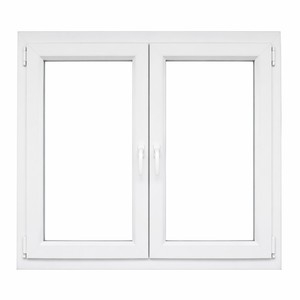
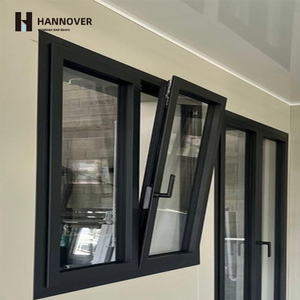
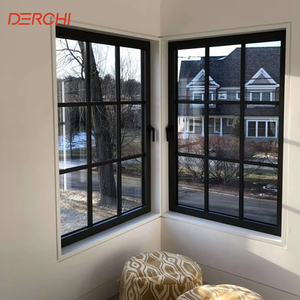
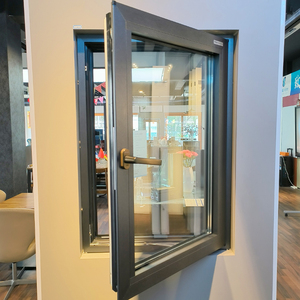
Why Leading Global Developers Partner With Us
Most fenestration failures occur in the disconnect between original equipment manufacturing and real-world site installation. We bridge that gap completely with end-to-end engineering rigor.
Pre-Construction Engineering & Submittals
We provide comprehensive CAD shop drawings, 3D BIM modeling, energy calculations (Title 24 / ASHRAE 90.1), and structural wind load analysis before metal cutting begins. Our technical submittal packages simplify architectural review approvals.
Jobsite Mock-Ups & Water Testing
We build full-scale jobsite opening mock-ups to verify flashing sequences, air infiltration (ASTM E283), and static water penetration (ASTM E331 / AAMA 501.2). We collaborate directly with third-party testing agencies to guarantee zero leaks.
Difficult Recessed Detail Expertise
Recessed window and louver openings are the industry’s most challenging waterproofing detail. Our patented sill pan drainage integration and custom-engineered membrane flashing sequences eliminate water intrusion in complex facade reveals.
Institutional Trust & Quality Assurance Standards
Founded in 1999, our enterprise has supplied high-performance architectural louvres, custom commercial windows, and glass wall solutions across North America, Australia, Europe, and the Middle East. Having partnered with 7 of the top 10 general contractors in the U.S. (NMHC rankings), our project execution model focuses on single-source accountability.
Rather than functioning merely as a passive manufacturer, our engineering team manages the complete product journey: precision profile extrusion, thermal break assembly, glazing integration, quality inspection submittals, and post-installation technical field support.
2026–2030 Global Procurement Trends for Louvre Windows
Architectural ventilation is undergoing a technological revolution driven by decarbonization mandates, smart building automation, and extreme weather resilience demands.
1. Motorized & IoT-Integrated Smart Louvres
Modern commercial developments are rapidly phasing out manual jalousie operators in favor of high-torque, low-voltage linear actuators tied directly into Building Management Systems (BMS). Procurement specifications now mandate automated sensor response to wind speeds, rain detection, indoor CO2 levels, and solar heat gain index optimization.
2. Hybrid Aerofoil & Acoustically Dampened Blades
In high-density urban corridors, passive airflow must be balanced with sound attenuation. Procurement trend data indicates a 45% surge in orders for dual-skinned extruded aerofoil louvres insulated with sound-absorbing acoustic rockwool, delivering STC ratings above 38 dB while maintaining natural cross-ventilation.
3. Extreme Storm & Hurricane-Resilient Engineering
With coastal building codes tightening globally (e.g., Florida Building Code, Miami-Dade High-Velocity Hurricane Zone standards), international buyers require heavy-duty louvre mechanisms tested under TAS 201, 202, and 203. Impact-resistant glass louvre blades combined with structural 6063-T6 aluminum frames are becoming the baseline requirement.
4. Decarbonized Production & PVDF Sustainable Finishes
Architectural specifications increasingly require environmental product declarations (EPDs). Sourcing trends heavily favor manufacturers using recycled aluminum billet content extruded via clean energy, coupled with non-toxic, 100% fluorocarbon PVDF (Kynar 500) surface coatings engineered for 30+ year corrosion resistance in marine environments.
Technical Development & Performance Evolution
Comparative technical benchmarks illustrating how modern high-performance louver systems outclass legacy architectural ventilation products.
| Performance Parameter | Legacy Jalousie / Glass Louvres | Next-Gen Thermally Broken Louvre Systems | Architectural Benefit |
|---|---|---|---|
| Thermal Bridge Insulation | Uninsulated single aluminum blade carrier; heavy cold bridging. | Polyamide PA66 glass-fiber thermal break barriers. | Prevents condensation and reduces HVAC cooling/heating loads by up to 35%. |
| Air Infiltration (ASTM E283) | High draft rates; air leakage > 0.50 cfm/ft². | Continuous EPDM double-lip perimeter compression seals (< 0.05 cfm/ft²). | Passes stringent airtightness tests for modern Green Building & LEED certifications. |
| Water Penetration (ASTM E331) | Prone to leakage under wind-driven rain (> 150 Pa). | Pressure-equalized internal drainage channels & cascade weep holes (tested > 700 Pa). | Eliminates structural water intrusion risk in high-rise coastal facades. |
| Acoustic Isolation (STC Rating) | Poor sound dampening (STC 18–22 dB). | Heavy-duty laminated acoustic glass louvres (STC 38–44 dB). | Ensures quiet interior environments for multi-family luxury apartments. |
| Actuation & Control | Manual mechanical hand-crank / lever mechanisms. | Synchronized dual-motor actuators linked via KNX/BACnet protocols. | Enables dynamic solar shading and automated night-purge thermal ventilation. |
Frequently Asked Sourcing & Technical Questions
Clear, authoritative answers to common commercial fenestration, manufacturing logistics, and specification questions.
Our standard MOQ for customized commercial louvre and window packages is 100 square meters. For large-scale residential multi-family developments, lead times typically range from 25 to 35 business days following final architectural shop drawing approval and color sample sign-off.
Recessed openings are the single most demanding waterproofing condition in commercial facade engineering. We design custom jobsite flashing mock-ups featuring pre-formed sill pans, integrated self-adhered flashing membranes, and pressure-equalized drainage tracks. We test these assemblies under ASTM E1105 field conditions to guarantee leak-free performance.
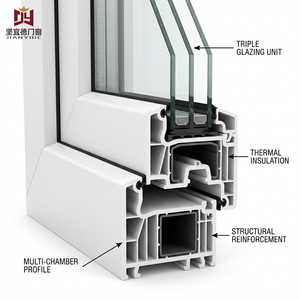
Yes. Our fenestration packages are fully tested and certified according to NFRC, AAMA/WDMA/CSA 101/I.S.2/A440 standards, and CE guidelines. We routinely supply thermal break aluminum and multi-chamber UPVC louvre assemblies that comfortably exceed Title 24, ASHRAE 90.1, and European Passive House U-factor requirements.
Absolutely. Our engineering team custom-integrates 24V DC or 230V AC linear actuators, motorized pivot arms, and micro-switch position sensors. These units operate seamlessly with central Building Management Systems via standard KNX, BACnet, or Modbus protocols for fully automated natural ventilation.
For harsh coastal or industrial marine environments, we offer high-durability PVDF fluorocarbon coatings (Kynar 500, meeting AAMA 2605 specifications with a 20-30 year guarantee), anodized finishes up to Class I (25 microns), and super-durable Architectural Powder Coatings (AAMA 2604 compliant).
All louver assemblies and glass units undergo a multi-layer protective packaging sequence: non-scratch protective film, corner guards, shock-absorbing bubble wrap, and fully enclosed IPPC-certified fumigated plywood crates. Crates are custom-loaded into sea containers using steel strapping and air bag bracing to prevent transit movement.
Request Architectural Submittals & Cost Estimates
Partner with China’s premier louver windows manufacturer. Submit your architectural elevations, project specifications, or window schedule today to receive detailed CAD drawings, energy calculations, and factory-direct pricing within 24 hours.