

Precision OEM/ODM Sourcing & Commercial Hardware Integration
Navigating China's premier pocket door manufacturing landscape requires rigorous technical evaluation. This engineering guide outlines multi-slide pocket systems, acoustic damping mechanisms, zero-threshold drainage, and structural glazing specifications designed for North American and European building codes.
Top-Rated Pocket & Architectural Door & Window Systems
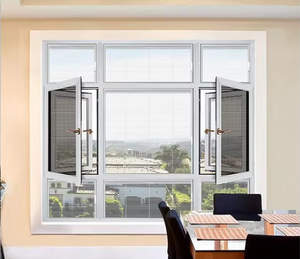
Hurricane Impact Heavy-Duty Aluminum Pocket & Casement System
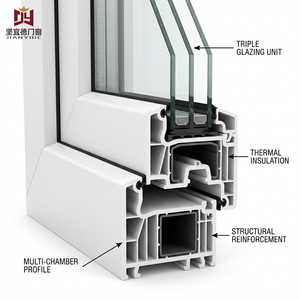
Multi-Chamber Vinyl Energy-Efficient Sliding Pocket Frame
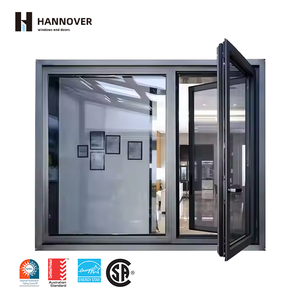
NFRC-Certified Thermal Break Architectural Pocket Slider
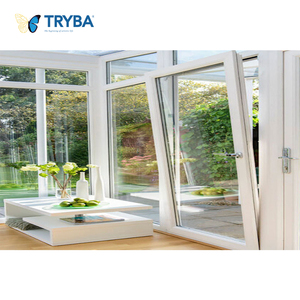
Precision German-Hardware Concealed Slide & Pocket Door
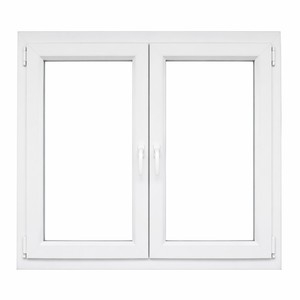
Commercial Multi-Family Modular Pocket Window Assembly
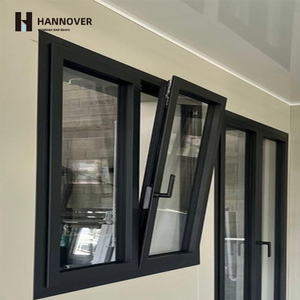
Ultra-Slim Profile Double-Glazed Pocket Patio Door
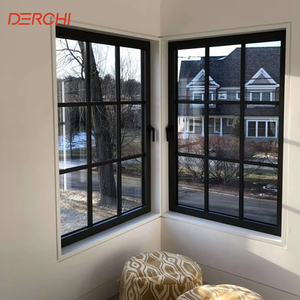
Commercial Triple-Glazed Acoustic Pocket Wall System
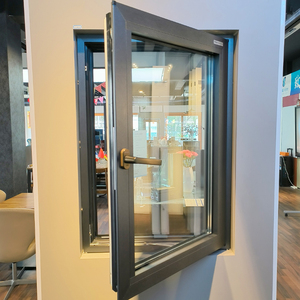
Passive House Standard Zero-Threshold Concealed Pocket Slider
Bridging Sourcing Gaps in Commercial Fenestration
In high-density commercial, multi-family, and luxury residential construction, fenestration failures almost always originate in the structural gap between off-site manufacturers and jobsite installers. Our end-to-end framework eliminates this operational liability.
Pre-Construction Submittal Rigor
We provide full CAD shop drawings, 3D BIM models, Title 24 energy calculations, and custom extrusion engineering. Every pocket wall jamb, head track detail, and sill pan flashing sequence is documented before factory production begins.
Recessed Opening Waterproofing
Recessed pocket cavities represent the industry's most delicate waterproofing challenge. We co-engineer project-specific flashing systems with certified sealant suppliers, ensuring rain barriers integrate seamlessly with the Building Weather Resistant Barrier (WRB).
On-Site Mock-Up & Water Testing
Before mass fabrication, full-scale chamber mock-ups are constructed and field-tested under AAMA 501.2 and ASTM E1105 standards. Third-party testing agencies and GC superintendents verify zero-leak performance under simulated storm conditions.
Key Procurement Dynamics in Commercial Pocket Door Systems
As modern architectural design moves toward seamless indoor-outdoor transitions, structural pocket sliding doors are transforming from decorative residential features into primary exterior envelope components. Procuring pocket doors from China requires understanding four strategic technical shifts:
- Ultra-Narrow Stile Profiles with Structural Silicone Glazing: Demands for minimal visible frame fractions (< 25mm sightlines) require structural glass-to-aluminum bonding capable of transferring wind loads directly through tempered double/triple insulated units.
- Sub-Floor Flush Thresholds with Concealed Drainage: Modern specifications mandate zero-step-over transitions. High-capacity continuous linear channels with backflow prevention valves allow high water-test ratings even in coastal hurricane zones.
- Automated Soft-Close & Smart Building Integration: Motorized pocket systems featuring 24V brushless DC motors, magnetic drive channels, and obstacle-detection sensors are now standard in high-end multi-family podium designs.
- Polyamide PA66 Thermal Break Cavities: Meeting stringent Title 24, IECC 2024, and European Passive House standards requires structural polyamide thermal breaks filled with aerogel or polyurethane foam to prevent cold-bridging inside hidden pocket cavities.

Pocket Door Pocket Track & Frame Material Specifications
Comparing structural materials, roller track durability, acoustic isolation, and thermal efficiency for large-span multi-panel pocket configurations.
| Parameter / Material | Thermal-Break Aluminum (6063-T6) | Vinyl / UPVC Multi-Chamber | Structural Composite / Stainless |
|---|---|---|---|
| Max Panel Weight Capacity | 400 kg – 600 kg (Heavy Duty Tandem Rollers) | 180 kg – 250 kg (Standard Rollers) | 800 kg+ (Motorized Heavy Overhead) |
| Thermal Transmittance (U-Factor) | 0.22 – 0.28 BTU/h·ft²·°F | 0.16 – 0.20 BTU/h·ft²·°F | 0.14 – 0.18 BTU/h·ft²·°F |
| Acoustic Isolation (STC Rating) | STC 38 – STC 45 (Laminated Glazing) | STC 32 – STC 38 | STC 42 – STC 48 (Triple Laminate) |
| Coastal Corrosion Resistance | PVDF Fluorocarbon Coat (AAMA 2605) | Inherent Salt Spray Immunity | 316 Marine Grade Stainless Steel |
| Recommended Building Type | Multi-Family Podium, Luxury Resort, Villas | Low-Rise Residential, Cold Climate Housing | High-Rise Penthouse, Grand Commercial Outlets |
“Engineering Insight: When designing exterior pocket doors that slide into wall cavities, the pocket cavity itself must be treated as an exterior exposure area. Proper pan flashing, membrane wrap, and secondary weep channels are mandatory to prevent hidden cavity rot and water accumulation.”
Frequently Asked Questions for B2B Sourcing
Direct answers for architects, structural engineers, general contractors, and global purchasing managers sourcing pocket door systems from China.
Leak prevention relies on a dual-stage drainage strategy. First, sub-floor aluminum sill pans are precision-milled with continuous slope gradients leading to hidden exterior weep holes. Second, high-performance EPDM bulb gaskets create continuous perimeter air/water seals when panels lock into place. Before shipping, manufacturers perform chamber pressure water testing according to ASTM E331 protocols.
A full commercial submittal package must include: 1) Dimensioned CAD shop drawings highlighting frame depth, pocket cavity clearances, and anchoring locations; 2) Structural calculation reports signed by a Licensed Professional Engineer (PE); 3) NFRC thermal performance certification (U-factor, SHGC, VT); 4) AAMA 101/I.S.2/A440 air, water, and structural test reports; and 5) Manufacturer warranty and maintenance documentation.
Yes. Heavy-duty aluminum pocket door systems designed for hurricane zones utilize laminated impact glass (e.g., 6mm Tempered + 1.52mm PVB/SentryGlas + 6mm Tempered) along with reinforced interlocks and multi-point stainless steel locking gear. These configurations pass TAS 201/202/203 missile impact and cyclic pressure testing.
Cavity thickness depends on the number of sliding panels. A single-panel pocket door requires a minimum cavity depth of 100mm to 120mm. A two-panel tandem pocket system requires 180mm to 220mm, while multi-slide 3-track or 4-track systems require structural wall pockets ranging from 280mm to over 400mm. Precise jamb-extension engineering must be finalized during pre-construction planning.
Panels are packaged in custom steel-reinforced ISPM-15 certified wooden crates, with corner protectors and vacuum-sealed plastic wrapping. For panels exceeding 250 kg, factory-fitted lifting eye-bolts or glass suction crane systems are used on site, and delivery is sequenced floor-by-floor in accordance with contractor crane schedules.
When product supply and field installation are handled by separate parties, accountability gaps often lead to disputes over air or water leaks. An integrated partner manages procurement sequencing, verifies rough openings prior to installation, conducts jobsite water testing, and delivers long-term post-occupancy warranty service—providing single-source accountability.
Partner with China's Premier Pocket Door Engineers
Planning a multi-family, commercial, or high-end residential project? Request a full engineering consultation, architectural shop drawing review, or customized product catalog today.