

Architectural Catalog
Featured Smart & Energy-Efficient Glazing Systems
Explore our export-grade fenestration solutions engineered for multi-family, commercial, and high-end residential applications. Built to international NFRC, CE, and Energy Star standards.
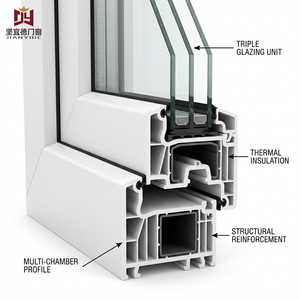
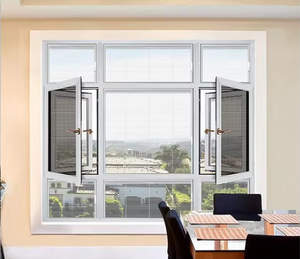
Energy Saving Multi-Chamber UPVC Casement Window | UV Resistant Triple Glazed Vinyl Window
Send an Inquiry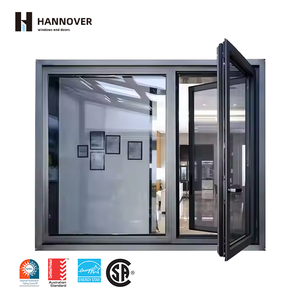
Modern NFRC Aluminum Casement Window Double or Triple Glazed Tilt and Turn Window
Send an Inquiry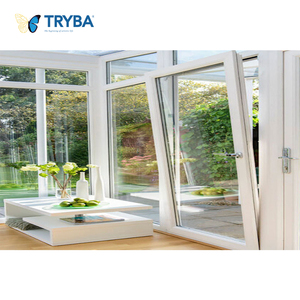
Custom High Quality UPVC German Windows Tilt And Turn Architectural Windows
Send an Inquiry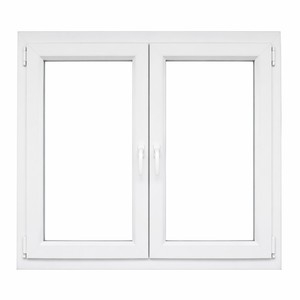
Wholesale High Quality UPVC Windows for Bulk Order Building Material & Commercial Projects
Send an Inquiry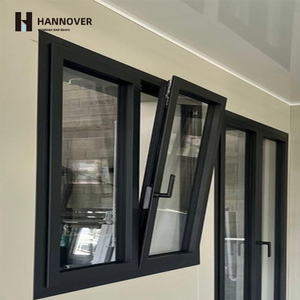
Double Glazed Aluminum Alloy Swing Casement Window Thermal Break System
Send an Inquiry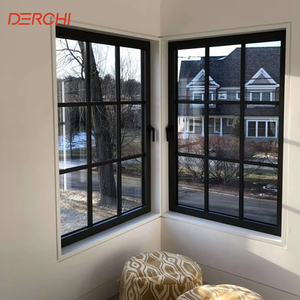
Modern Narrow Frame Commercial Customized Triple Glazed Aluminum European Style Windows
Send an Inquiry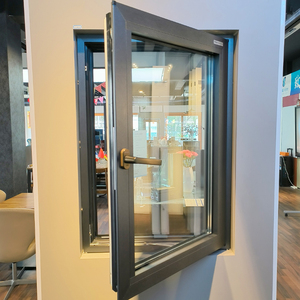
European Style Energy Star Energy Efficient Thermal Break Triple Glazed Passive House Windows
Send an Inquiry
Industry Whitepaper & Strategic Insights
Redefining Modern Architectural Fenestration: The Rise of Smart Glass Sourcing from China
The global construction paradigm is shifting rapidly toward dynamic building envelopes, smart glass integration, and ultra-low U-factor fenestration. As building codes worldwide tighten around carbon neutrality (Title 24, Passive House Standards, and LEED v4.1 certifications), developers and architects face increasing pressure to specify high-performance glazing without compromising aesthetic clarity or budget integrity.
China has established itself as the world’s preeminent manufacturing center for advanced electrochromic and Polymer Dispersed Liquid Crystal (PDLC) switchable privacy glass. Combining cutting-edge vacuum sputtering technology with highly automated thermal break aluminum frame production, top tier Chinese exporters are enabling developers to bridge the gap between initial capital expenditure and long-term operating energy reduction.
By establishing rigorous pre-construction submittals, jobsite mock-ups, and field-tested water penetration sequences, our engineering workflow removes the historical friction between international suppliers and local general contractors.
The Modern Glazing Dilemma
Conventional static windows contribute up to 35% of a commercial building’s HVAC energy waste through unwanted solar heat gain and thermal bridging. Smart switchable glass coupled with multi-chamber thermal breaks mitigates solar radiation dynamically while maintaining pristine interior daylighting.
- Instantaneous light transmission switching (Transparent to Opaque < 10ms)
- Significant HVAC load reduction via custom Solar Heat Gain Coefficient (SHGC) tuning
- Integrated structural storm defense with hurricane impact laminated safety glass
- Complete architectural submittals, shop drawings, and AAMA testing support
Technical Benchmarks
Smart Glass & High-Performance Glazing Technology Matrix
A comprehensive engineering evaluation comparing next-generation smart switchable technologies against structural aluminum and multi-chamber UPVC framing systems.
| Glazing / Frame System | Switching Speed / Mechanism | U-Factor (Btu/h·ft²·°F) | SHGC Range | Acoustic Rating (STC) | Target Architectural Applications |
|---|---|---|---|---|---|
| PDLC Smart Switchable Glass | < 10 ms (Electrical Voltage) | 0.24 - 0.28 | 0.40 - 0.62 | 38 - 44 dB | Executive Boardrooms, Luxury Multi-Family Partitions, Healthcare Privacy |
| Electrochromic Tinting Glass | 1 - 3 min (Low Voltage Gradient) | 0.18 - 0.22 | 0.09 - 0.45 | 36 - 42 dB | Commercial Curtain Walls, Skylights, Solar-Facing Exterior Facades |
| Triple Glazed Thermal Break Aluminum | Static Low-E / Argon Filled | 0.12 - 0.16 | 0.22 - 0.35 | 42 - 48 dB | Passive House Architecture, High-Rise Residential, Cold Climate Enclosures |
| Multi-Chamber UPVC German Profile | Static / UV Resistant Vinyl | 0.14 - 0.18 | 0.25 - 0.38 | 40 - 45 dB | Bulk Commercial Housing, Institutional Buildings, Coastal Hurricane Zones |
Why Partner With Us
End-to-End Field Accountability: Closing the Supplier-Installer Gap
Most fenestration failures and water leaks do not stem from glass manufacturing flaws, but rather from communication breakdowns between offshore suppliers, local installers, and flashing contractors. Our integrated workflow mitigates jobsite risk completely.
Pre-Construction Planning & Submittals
We provide full architectural submittal packages, shop drawings, Title 24 energy calculations, and custom extrusion profiling prior to mass production. We align every detail with the project specification standard.
Jobsite Mock-Ups & Water Testing
Recessed and flush-fin openings represent the most demanding waterproofing conditions. We build physical mock-ups, conduct field ASTM water pressure testing, and lock in the flashing sequence before site installation.
Floor-by-Floor Sequenced Delivery
Logistics engineered specifically for multi-family wrap, podium, and high-rise commercial builds. Windows and smart glass panels arrive crated and labeled by floor and unit number to keep jobsite trades moving efficiently.
Quality Control Standard
4-Phase Execution Strategy for Zero-Defect Glazing
From factory floor extrusion in China to final post-occupancy turnover, our structured workflow eliminates structural leaks, thermal bridging, and site delays.
01
Engineering Review
Comprehensive CAD take-offs, wind load structural analysis, thermal break calculations, and precise glazing specification matched to client budget.
02
Mock-Up Validation
Assembly of full-scale window opening mock-ups to verify weather-resistive barrier (WRB) integration, flashing sequences, and water penetration thresholds.
03
Supervised Production
Automated CNC frame corner welding, argon gas filling, PDLC film lamination in ISO 9001 cleanrooms, and stringent 100% factory QA inspection.
04
Post-Install Support
Complete warranty execution, spare glass hardware replacement backup, and dedicated field service coordination for long-term project peace of mind.
Future Procurement Horizon
Next-Decade Trends in Smart Glass Procurement (2025–2035)
Key strategic insights for developer procurement directors, architectural specifiers, and commercial general contractors.
1. Convergence of BIPV and Switchable Privacy Glass
The future of modern facades lies in dual-action glazing. Buildings will no longer choose between power generation and dynamic shading. Next-generation smart glass systems combine transparent Building-Integrated Photovoltaics (BIPV) with PDLC switchable cores, turning entire structural glass curtain walls into net-positive power generators that modulate transparency based on real-time solar intensity.
2. Off-Site Modular Fenestration Integration
Driven by labor shortages in North America and Europe, developers are adopting pre-glazed unitized curtain wall cassettes. High-end Chinese manufacturers lead this trend by shipping fully assembled, pre-wired smart glass panels with integrated thermal break framing directly to jobsites for rapid crane installation.
3. Ultra-Low U-Factor Requirements & Vacuum Insulated Glass (VIG)
As municipalities target zero-carbon building operations, dual-pane IGUs are giving way to Vacuum Insulated Glass (VIG) combined with switchable films. VIG achieves insulation values equivalent to solid insulated walls (U-factors below 0.08 Btu/h·ft²·°F), permanently eliminating condensation and dramatically downsizing central HVAC boiler and chiller capacities.
4. Supply Chain De-Risking via Direct Factory Engineering Partnerships
Forward-thinking developers are abandoning multi-tier distributor markups in favor of direct technical partnerships with tier-1 Chinese exporters who offer complete submittal engineering, localized field support, and single-source warranty coverage.
Procurement & Technical FAQ
Frequently Asked Questions by Global Buyers
Essential guidance on importing smart glass, compliance certifications, and structural specifications from China.
What international performance certifications do your smart glass and window packages hold?
Our complete window systems and smart glass products are tested and certified to international building standards, including NFRC (National Fenestration Rating Council) ratings for U-Factor and SHGC, CE marking for European markets, ISO 9001 quality management standards, and hurricane impact compliance (AAMA/WDMA/CSA 101/I.S.2/A440 testing standards for design pressure and water resistance).
How does PDLC smart glass operate, and what power infrastructure is required?
Polymer Dispersed Liquid Crystal (PDLC) glass consists of a liquid crystal matrix sandwiched between conductive ITO films and tempered glass layers. When electrical current is applied (typically 48V to 60V AC via a compact transformer), the liquid crystals align instantly to make the glass 100% transparent. When turned off, they scatter randomly, providing complete privacy while allowing diffused natural light to pass. Power consumption is extremely low—typically around 3 to 5 watts per square meter.
Can your smart glass products be integrated with commercial smart building automation (BMS)?
Yes. Our smart glass transformers and control drivers are fully compatible with modern smart home and commercial Building Management Systems (BMS), including BACnet, KNX, Lutron, Crestron, wall switches, remote controls, and mobile apps. They can also be programmed to switch automatically based on daylight sensors or occupied schedules.
How do you prevent water leaks in demanding recessed or heavy-wind conditions?
Water intrusion prevention begins at the drawing board. We engineer custom flashing sequences, continuous sill pans with end dams, and dual-seal EPDM gasket profiles. Furthermore, we mandate pre-installation jobsite mock-ups and simulated field water hose testing (AAMA 501.2 standards) to prove that the frame-to-wall interface is 100% watertight before mass production shipping.
What lead times and shipping packaging can we expect for ocean freight export?
Standard lead time for customized architectural orders is typically 3 to 5 weeks from shop drawing approval and submittal sign-off. Products are packed using heavy-duty export-grade fumigated wooden crates, reinforced corner protectors, vacuum moisture sealing, and floor-by-floor container load sequencing to prevent transit damage and streamline jobsite uncrating.
Why is choosing a single-source supplier & manufacturer better than buying unglazed frames and local glass?
Procuring factory pre-glazed smart glass windows guarantees pristine cleanroom lamination, factory-calibrated gas retention in insulated glass units (IGUs), and single-source warranty coverage. It removes finger-pointing between separate frame suppliers and glass installers, significantly cutting site labor costs and installation timelines.
Ready to Elevate Your Next Project's Glazing Specification?
Partner with China’s premier smart glass supplier and window exporter. Send us your architectural drawings, elevation schedules, or tender requirements today for a complimentary engineering review and factory-direct quotation.
Send an Inquiry