

Featured Photovoltaic & Solar Glass Products
Explore our industrial-grade solar glass portfolio, engineered with anti-reflective nanocoatings, high mechanical toughness, and optimized transmittance rates ranging up to 94.2%.
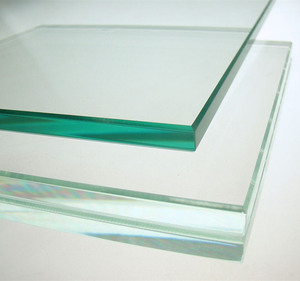
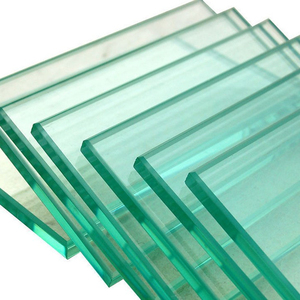
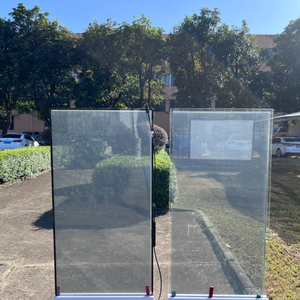
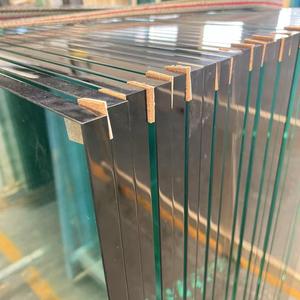
Engineering Excellence: Next-Generation Photovoltaic Solar Glass Standards
As solar cell power conversion efficiencies advance toward theoretical limits in crystalline silicon (c-Si) TOPCon, Heterojunction (HJT), and Perovskite tandem architectures, optical optimization at the front-glass layer has emerged as a crucial lever for levelized cost of energy (LCOE) reduction. China’s solar glass manufacturing ecosystem leads this evolution by combining low-iron chemical synthesis, advanced Sol-Gel anti-reflective coating (ARC) magnetron deposition, and deep thermal toughening processes.
Standard clear float glass typically contains iron impurity levels ($Fe_2O_3$) around 600 to 1000 ppm, resulting in significant optical absorption in the near-infrared (NIR) spectra (700nm–1100nm). High-transmittance low-iron solar glass restricts $Fe_2O_3$ content to strictly below 120 ppm (and under 90 ppm for premium ultra-clear grades). This chemical purity maximizes photon penetration directly into the photovoltaic absorber layer, boosting solar module power output by 2.5% to 3.8% compared to conventional architectural glass substrates.
Technical Insight: Double-layer Sol-Gel anti-reflective nanocoatings reduce surface optical reflectance from 4.2% down to less than 0.5% across the effective absorption spectrum (380nm–1100nm), adding up to 8–10 Watts of additional power yield per standard 72-cell PV panel.
Key Physical & Optical Parameters of Industrial Solar Glass
| Performance Parameter | Ultra-Clear Patterned Glass (Prismatic) | Low-Iron AR Float Glass | CdTe BIPV Architectural Glass |
|---|---|---|---|
| Light Transmittance (380-1100nm) | ≥ 94.0% (With AR Coating) | ≥ 93.5% (With AR Coating) | Customizable 0% - 80% |
| Iron Oxide ($Fe_2O_3$) Content | ≤ 90 ppm | ≤ 120 ppm | Architectural Grade Specification |
| Surface Stress (Tempering) | 90 - 140 MPa (Fully Tempered) | 90 - 130 MPa (Fully Tempered) | Heat-Strengthened / Laminated |
| Thickness Standard Deviation | ± 0.10 mm | ± 0.08 mm | ± 0.20 mm |
| Thermal Shock Resistance | ΔT ≥ 200°C | ΔT ≥ 200°C | ΔT ≥ 150°C |
| Hail Impact Toughness | ICE 25mm @ 23 m/s (IEC 61215) | ICE 25mm @ 23 m/s (IEC 61215) | EN 12600 Safety Impact Class 1B1 |
Technology & Manufacturing Development Trends
The global solar energy supply chain is transitioning rapidly toward dual-glass bifacial modules, light-weighting strategies, building-integrated photovoltaics (BIPV), and automated smart factories. As a premier solar glass supplier in China, our production lines are directly integrated with these technological developments.
1. Ultra-Thin 2.0mm & 1.6mm Glass Evolution
Driven by the surge in bifacial solar module adoption, the market is shifting from traditional 3.2mm single glass toward 2.0mm and ultra-thin 1.6mm thermally tempered glass. Lightweight glass cuts freight expenses by 25% while providing identical PID resistance and weather durability.
2. Nanostructured Sol-Gel Anti-Soiling Coatings
Dust accumulation and soiling account for up to 15% annual energy yield loss in arid regions. Next-generation hydrophobic and photocatalytic titanium oxide ($TiO_2$) self-cleaning coatings decompose organic particulates under UV light, allowing rain to naturally wash away residue.
3. CdTe & Perovskite BIPV Customization
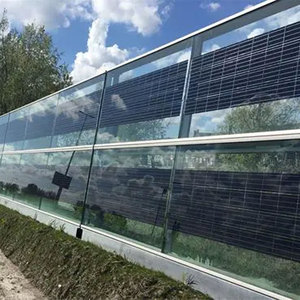
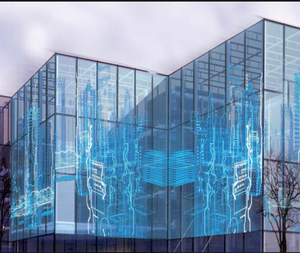
Building-Integrated Photovoltaics demand aesthetic versatility without compromising power output. Cadmium Telluride (CdTe) thin-film solar glass and semi-transparent patterned photovoltaic units enable zero-carbon curtain walls, solar windows, and architectural fences.
Global Procurement Trends: Strategic Sourcing Insights for B2B Buyers
Procuring high-volume solar glass from China requires a sophisticated understanding of raw material float glass dynamics, energy cost volatility, trade compliance, and packaging protection standards. B2B purchasing executives, solar module OEMs, and EPC contractors must evaluate several strategic trends when formulating their supply chain strategies for 2025–2030:
Dual-Glass Module Standardization
Bifacial solar installations now account for over 60% of utility-scale projects globally. Buyers are consolidating procurement around 2.0mm+2.0mm heat-strengthened low-iron glass sheets. Dual-glass modules exhibit zero moisture ingress, eliminating Potential Induced Degradation (PID) and extend system warranties from 25 years to 30+ years.
ESG Compliance & Low-Carbon Manufacturing
International environmental directives like the EU Green Deal require full supply chain carbon accounting. Leading Chinese solar glass factories are replacing heavy fuel oil with oxy-fuel combustion, natural gas, and electric melting technologies. Sourcing from certified green-factory suppliers safeguards buyers against incoming carbon border adjustment tariffs.
Custom Architectural & Decorative Shapes
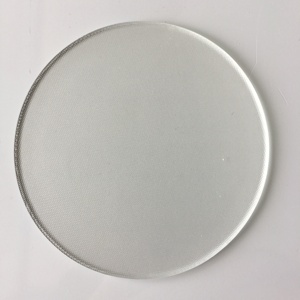
Standard solar glass shapes are no longer sufficient for modern commercial developments. High demand exists for custom CNC hole drilling, circular/round ultra-clear woven glass, reflective Lake Ford Blue solar fence glass, and localized ceramic frit screen printing for structural solar sunrooms and curtain walls.
Supply Chain Integration & Buffer Stocking
Given the weight and fragility of glass logistics, leading global buyers utilize localized warehouse stocking paired with direct ocean container shipments. Sourcing directly from tier-1 factories with fully integrated raw material washing, float/patterned furnaces, and automatic cutting lines mitigates delivery bottlenecks.
Why Partner With Our Factory: OEM/ODM Manufacturing Strengths
Closing the operational disconnect between product fabrication, precision processing, and post-delivery field reliability is core to our corporate mission. Built upon decades of glass processing heritage, our manufacturing infrastructure guarantees flawless consistency from raw silica batching to on-site assembly.
Factory Guarantee: Every batch of solar panel glass undergoes Automated Optical Inspection (AOI) to detect micro-bubbles, inclusion defects, and surface scratches down to 0.1mm, accompanied by 100% laser-based stress profiling for uniform tempering compliance.
End-to-End Quality Ownership
Eliminate the friction between third-party processors and glass suppliers. Our single-entity management handles batching, furnace melting, roll patterning, physical tempering, AR coating deposition, and export packing under one ISO 9001 quality system.
Comprehensive Submittal Support
We provide full architectural and engineering documentation packages, including spectral transmittance curves, thermal stress test records, mechanical loading simulation models, and custom CAD shop drawings for BIPV integration.
Engineered Export Packaging
Bulk ocean shipping demands extreme protection. Our glass is protected with anti-stain interleaving powder, vacuum wrapped in moisture-proof plastic foil, and secured in heavy-duty steel-reinforced wooden crates engineered for zero-breakage ocean transit.
Frequently Asked Questions (FAQ)
Key technical and logistics inquiries answered by our senior solar glass engineers and global trade directors.
What optical parameters distinguish premium solar glass from ordinary low-iron glass?
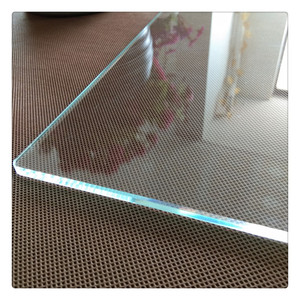
Premium solar glass utilizes specialized ultra-clean silica sand to reduce iron content ($Fe_2O_3$) to under 90 ppm, eliminating the greenish hue visible in standard glass. Furthermore, patterned solar glass features engineered surface micro-structures (woven/prismatic) that trap oblique incident light rays, maintaining high conversion performance during early morning and late afternoon hours.
How does an Anti-Reflective (AR) coating increase solar panel power output?
When light passes from air (refractive index n=1.0) into glass (n=1.52), approximately 4.2% of light reflects off the front surface. A Sol-Gel porous silicon dioxide ($SiO_2$) AR coating creates an intermediate refractive index layer (n≈1.23). This destructive optical interference reduces front reflectance down to below 0.5%, yielding a net light transmittance increase of ~2.5% to 3.0% across the active solar spectrum.
Can you produce custom thickness and dimensions for BIPV solar curtain wall applications?
Yes. We offer fully customized CNC edge grinding, waterjet hole drilling, localized notch cutting, and specialized tempering across glass thicknesses ranging from 2.0mm to 12mm. For BIPV solar curtain walls and greenhouses, we provide custom laminated heat-strengthened PV glass and CdTe thin-film panels tailored to architectural structural loads.
What testing certifications do your solar glass products hold for global market entry?
Our complete solar glass portfolio complies with international photovoltaic and building standards, including IEC 61215 and IEC 61730 for module-grade glass, European EN 12150 / EN 12600 thermal toughening and safety glazing norms, ANSI Z97.1 impact standards, and ISO 9001 / ISO 14001 factory management certifications.
How do you prevent glass mold, staining, and transit breakage during ocean transport?
Glass surfaces are vulnerable to chemical moisture etching (mold) in humid maritime environments. We apply micro-encapsulating polymeric anti-stain powder between every glass sheet, shrink-wrap crates in vacuum barrier foil with desiccant packs, and secure shipments inside steel-banded wooden cases engineered to withstand 3G forces during container freight shipping.
What is the typical lead time for custom OEM solar glass orders?
Standard raw pattern glass stock items ship within 7 to 10 days. Custom tempered, AR-coated, or cut-to-size BIPV order production runs generally range from 14 to 21 days depending on volume. Rapid sample delivery is available within 3 to 5 business days for qualification testing.
Request Custom Quotation & Technical Submittal Package
Partner with China's top solar glass factory. Contact our engineering team today to receive factory-direct price sheets, material datasheets, and custom project quotes within 24 hours.
Inquire Now