

Engineering-Grade Residential Window Systems
Precision-Engineered Thermal Break Aluminum, Triple-Glazed, Hurricane Impact & Vinyl Systems Manufactured to NFRC, AS2047 & CE Standards
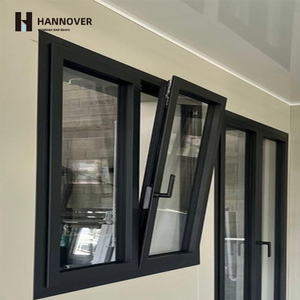
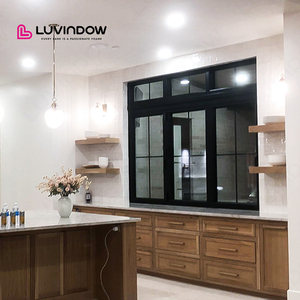
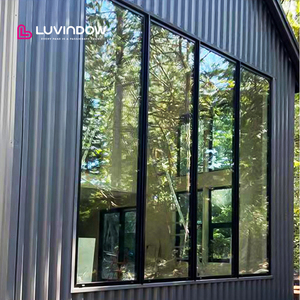
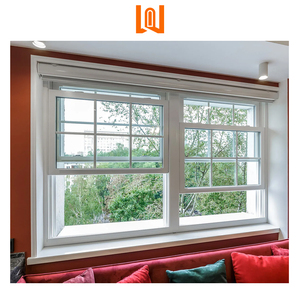
1. China's Fenestration Export Ecosystem & High-Performance Manufacturing Standards
The global residential construction landscape is undergoing a profound structural shift driven by stringent energy codes, modern architectural demands, and the imperative for carbon-neutral building envelopes. As real estate developers, general contractors, and architectural firms strive to meet compliance targets such as Title 24 in California, Passive House (Passivhaus) metrics in Europe, and AS2047 structural requirements in Australia, China has solidified its position as the premier manufacturing hub for advanced fenestration exports.
Historically viewed as a high-volume market for standard PVC and uninsulated aluminum extrusions, top-tier Chinese window factories now operate at the cutting edge of materials science, robotic precision assembly, and complex thermal engineering. Today, leading Chinese exporters integrate multi-cavity polyamide thermal breaks, automated insulating glass unit (IGU) lines utilizing warm-edge spacer technology, and structural silicon glazing methods that meet or exceed Western performance benchmarks.
Key Engineering Advancements in Chinese Fenestration Manufacturing:
Polyamide Thermal Barriers (PA66GF25)
Replacing legacy PVC strips with 25% glass-fiber reinforced polyamide struts, enabling U-factors below 0.20 BTU/h·ft²·°F while maintaining structural integrity under high wind loads.
Precision CNC Corner Crimping
Automated dual-component corner bonding with aluminum injection cleats, ensuring air permeability ratings under 0.01 cfm/ft² and zero water penetration at 700 Pa differential pressure.
Advanced Low-E Coating & Gas Infill
Double and triple-silver Low-E magnetron sputter coatings paired with 90%+ Argon gas fill, achieving Solar Heat Gain Coefficients (SHGC) tailored precisely to micro-climates.
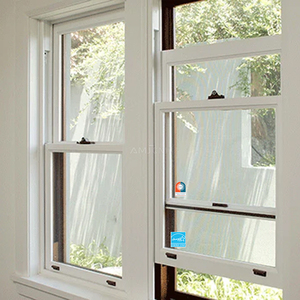
For international procurement managers, sourcing from top Chinese window manufacturers is no longer merely a cost-reduction play; it is a strategic maneuver to obtain fully customized, architecturally demanding window packages—including ultra-slim sightline double-hung systems, heavy-duty hurricane-impact casements, and massive floor-to-ceiling picture windows—at turnaround lead times unachievable by domestic manufacturers in North America and Australasia.
2. Technological Trends Shaping Modern Residential Window Development
Architectural fenestration is no longer static glass framed in metal. It is an active, engineered subsystem designed to balance daylighting, thermal insulation, acoustic isolation, and structural load deflection. Based on empirical data from leading global projects, the following trends define next-generation window design:
A. Ultra-Low Thermal Transmittance & Passive House Integration
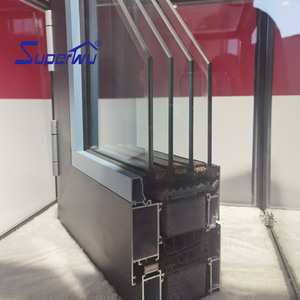
The shift toward zero-energy building (ZEB) targets has accelerated the adoption of Triple-Glazed and Vacuum Insulated Glass (VIG) assemblies. Leading Chinese factories utilize 70mm to 110mm depth thermal break profiles, accommodating triple glass units with double Low-E coatings and warm-edge Technoform spacers. These systems consistently achieve thermal performance levels compliant with Passive House Institute standards, reducing building HVAC loads by up to 45%.
B. Extreme Weather & Structural Hurricane Resistance
Coastal and hurricane-prone regions (such as Florida, the Caribbean, and coastal Australia) require window packages certified to rigorous impact standards. Chinese exporters have developed specialized hurricane-impact product lines featuring laminated glass interlayer formulations (PVB and SentryGlas® SGP interlayers from Kuraray). Combined with multi-point stainless steel locking hardware (such as Siegenia, Hoppe, or custom-engineered top-tier hardware), these systems resist wind forces exceeding 140 mph (Design Pressure DP60 to DP90) without structural frame failure or envelope compromise.
C. Architectural Aesthetics: Narrow Profiles and Hidden Frame Systems
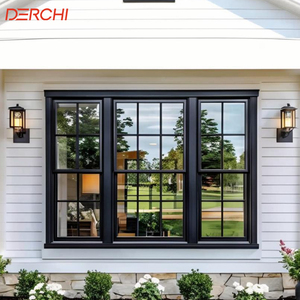
Modern residential architecture favors minimalist sightlines that maximize daylight intake and foster seamless indoor-outdoor integration. High-end Chinese manufacturers utilize high-tensile 6063-T6 aluminum alloys to engineer ultra-thin profiles with sightlines under 30mm, while retaining the moment of inertia needed to support massive glass weights up to 400 kg per panel.
System Performance Matrix Across Frame Materials
| Material Configuration | Thermal U-Factor (W/m²K) | Acoustic STC Rating | Structural Max DP Rating | Primary Ideal Application |
|---|---|---|---|---|
| Thermally Broken Aluminum (PA66 Strut) | 1.1 – 1.6 | 38 – 45 dB | DP70 – DP90 | Modern Luxury Villas, Mid/High-Rise Multi-Family |
| Aluminum-Clad Solid Wood | 0.9 – 1.3 | 40 – 48 dB | DP50 – DP70 | High-End Custom Estates, Heritage & Traditional Build |
| High-Impact uPVC / Vinyl Profile | 1.0 – 1.4 | 32 – 38 dB | DP45 – DP60 | Cost-Effective Multi-Family, Suburban Residential |
| Triple-Glazed Passive House Profile | 0.65 – 0.85 | 42 – 50 dB | DP80+ | Net-Zero Energy Homes, Cold Climate Villa Architecture |
3. Future Sourcing Strategies for International Developers & General Contractors
Procuring window and patio door packages globally requires a rigorous, risk-mitigated supply chain strategy. Over the next decade, international purchasing managers must evaluate suppliers through a multi-dimensional lens that goes beyond ex-factory unit costs.
BIM & Digital Twin Integration
Top Chinese exporters now supply full Autodesk Revit BIM models with accurate thermal and structural parameters, allowing real-time collision checking and energy modeling prior to profile extrusion.
Pre-Installation Jobsite Mock-ups
Leading suppliers mandate dynamic water and air pressure chamber testing on factory mock-ups, witnessed by third-party testing agencies (such as Intertek or AAMA-accredited labs) before mass production.
Carbon Border Adjustment Compliance
With environmental regulations tightening, top factories utilize low-carbon recycled aluminum billets and solar-powered extruders to document environmental product declarations (EPDs) for international carbon tax compliance.
Mitigating Sourcing Risks: The Single-Source Partner Advantage
Historically, building projects suffered frequent water leakage and warranty disputes caused by the disconnect between the window fabricator and the field installer. When a leak occurred, the profile supplier blamed the installer's flashing detail, while the installer blamed the unit's sealant joints. The strategic trend in 2025 and beyond is partnering with single-source export entities that control the complete value chain: from raw material specification, shop drawing engineering, and factory fabrication, to specialized installation flashing submittals and long-term field service support.
4. Enterprise Manufacturing Capability & Quality Control Protocol
As an industry leader supplying window and patio door packages across North America, Australia, and Europe, our manufacturing infrastructure is built upon uncompromised technical rigor, strict adherence to international building codes, and proven field durability.
A. Comprehensive Quality Assurance Workflow
Every window unit manufactured across our state-of-the-art facilities undergoes a multi-stage quality gate check:
- Raw Aluminum Billet Verification: Spectral analysis of 6063-T6 chemical composition and anodizing/powder coat thickness verification (Qualicoat Class 2 standard).
- IGU Sealant Integrity Testing: Automated dual-seal application using structural silicone and butyl primary seals, subjected to continuous argon gas leak detection.
- Structural & Water Deflection Testing: Factory water wall testing conducted at 150% specified design pressure to verify sill pan drainage, frame deflection, and gasket compression.
- Precision Hardware Alignment: Multi-point gear drive and push-out crank mechanism cycle-tested up to 25,000 continuous opening operations.
B. Full Architectural Submittal & Engineering Support
We bridge the communication gap between overseas manufacturing and local jobsites. Our dedicated engineering division provides complete technical documentation including stamped shop drawings, wind load stress calculations, thermal simulation reports (THERM & WINDOW software modeling), and jobsite flashing detail drawings for challenging recessed or flush-fin conditions.
5. Procurement & Architectural Engineering FAQ
Key technical and logistics inquiries answered by our fenestration growth director and engineering team.
Partner with China's Premier Residential Window Exporter
Submit your architectural drawings, window schedules, or specification documents today. Our engineering team will deliver a comprehensive proposal complete with thermal calculations, structural specs, and competitive FOB/CIF pricing.
Send an Inquiry