

High-Performance OEM Architectural Window Systems
Engineered to exceed NFRC, AAMA, and Passive House standards. Manufactured with precision thermal breaks, multi-chamber profiles, and advanced security glazing options.
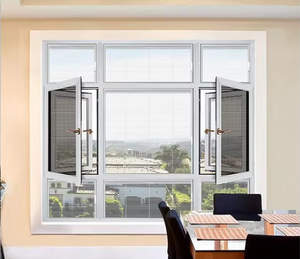
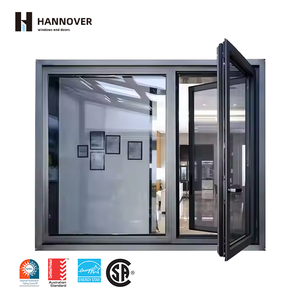
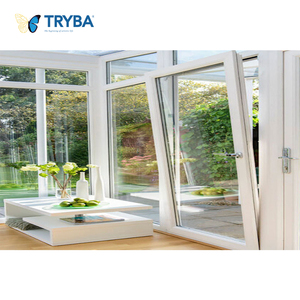
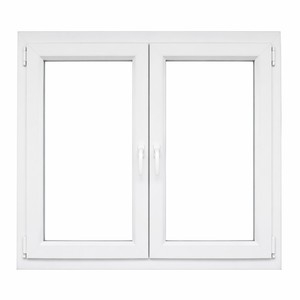
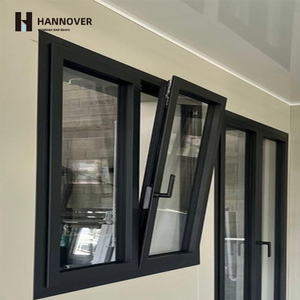
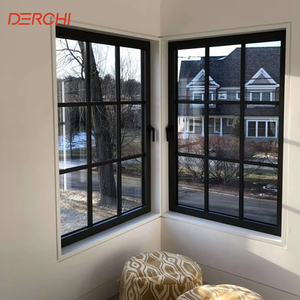
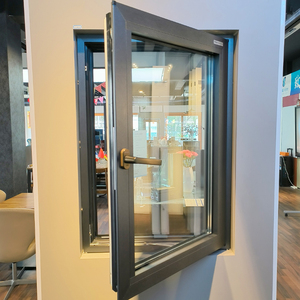
Single-Source Accountability: From Extrusion to Jobsite Delivery
Eliminating the friction gap between window suppliers and field contractors through end-to-end engineering, rigorous lab testing, and custom manufacturing control.
Custom Extrusion & Thermal Engineering
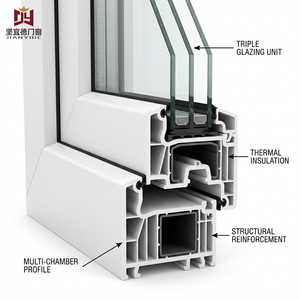
Full OEM capabilities for custom aluminum profiles, PA66 polyamide thermal breaks, and multi-chamber uPVC extrusions configured to exact architectural wind-load and energy requirements.
ASTM & AAMA Mock-Up Testing
We build jobsite mock-ups and execute static and dynamic water penetration testing (ASTM E1105 / E331) prior to full production runs to ensure 100% leak-free installation assemblies.
Sequenced Floor-by-Floor Logistics
Eliminate jobsite congestion with staged containerized shipments. Windows arrive crated and labeled by floor and unit number for maximum installation efficiency.
Technological Evolution in Custom OEM Window Manufacturing
As architectural requirements for structural transparency grow alongside increasingly stringent global energy codes (such as California Title 24, IECC 2024, and European Passive House standards), the custom OEM window manufacturing sector is undergoing a massive engineering shift. Modern fenestration is no longer merely an aesthetic building envelope element; it operates as an active, high-performance thermal barrier and structural envelope system.
Information Gain Key Takeaway: Modern OEM manufacturing relies on multi-layer glass synergy, PA66 structural break isolation, and warm-edge spacer technology to lower overall building HVAC operational expenditures by up to 38% over traditional thermal break systems.
1. Polyamide (PA66GF25) Thermal Break Innovation
Traditional aluminum windows suffered from high thermal conductivity. Contemporary OEM manufacturing solves this through precision-extruded Technoform PA66GF25 (25% fiberglass reinforced polyamide) thermal struts. These struts mechanically join interior and exterior aluminum profiles, breaking the conductive bridge while maintaining critical structural moment of inertia for high-rise wind loads (DP50 to DP80 ratings).
2. Advanced Glazing & Spectrally Selective Low-E Coatings
To maximize Visible Light Transmittance (VLT) while minimizing Solar Heat Gain Coefficient (SHGC), modern custom manufacturing utilizes triple-silver sputtered Low-E coatings (e.g., Solarban 70/90 series) combined with Argon or Krypton gas fills inside warm-edge Technoseal spacers. The integration of Vacuum Insulated Glass (VIG) units allows profile depths to shrink while achieving center-of-glass U-factors as low as 0.08 BTU/h·ft²·°F (0.45 W/m²K).
| Profile System Type | Typical Frame Depth | Thermal U-Factor (W/m²K) | Acoustic Rating (STC) | Primary Target Application |
|---|---|---|---|---|
| Standard Non-Thermal Aluminum | 45mm - 60mm | > 3.8 W/m²K | STC 26 - 28 | Interior Partitions / Warm Climates |
| Standard Thermal Break Aluminum | 65mm - 75mm | 1.6 - 2.2 W/m²K | STC 32 - 35 | Mid-Rise Commercial & Residential |
| High-Insulation German System uPVC | 80mm - 88mm | 0.9 - 1.2 W/m²K | STC 38 - 42 | Cold Climates & Energy Efficient Housing |
| Passive House Certified Thermal Break | 90mm - 110mm | ≤ 0.8 W/m²K | STC 40 - 45+ | Luxury Villas & Zero-Carbon Projects |
3. Hurricane Impact & Anti-Theft Laminated Glass Engineering
For coastal zones vulnerable to extreme weather events, OEM production incorporates SentryGlas® (SGP) ionoplast interlayers sandwiched between heat-strengthened glass panes. SGP interlayers are 5 times tougher and up to 100 times stiffer than standard PVB materials, ensuring that even if glass ruptures under projectile impacts during Category 5 hurricanes, the fenestration membrane remains structurally intact to protect building integrity.
Global Procurement Trends in Commercial Window Systems
Navigating large-scale multi-family and commercial fenestration procurement requires a clear understanding of market dynamics, lead times, regulatory compliance, and total cost of ownership (TCO). Procurement managers are shifting away from fragmented multi-vendor supply chains toward integrated custom OEM partners capable of providing single-point accountability.
Trend 1: Standardized Modular Customization & DfMA
Design for Manufacture and Assembly (DfMA) is dominating modern offsite construction. Developers now collaborate with OEM manufacturers during schematic design to establish standardized rough opening dimensions across multi-hundred-unit developments. This yields batch-manufacturing cost benefits while leaving mullion profile colors, glass tintings, and opening mechanisms customized per facade elevation.
Trend 2: Carbon Footprint Accounting & EPD Verifications
Environmental Product Declarations (EPDs) have transitioned from optional marketing collateral to mandatory bidding criteria in Europe, North America, and Australia. Forward-thinking OEM manufacturers utilize hydro-powered low-carbon primary aluminum ingots and recycled vinyl materials to significantly lower embodied carbon footprint metrics (GWP - Global Warming Potential) in green building schemes (LEED v4.1, BREEAM).
Trend 3: Hybrid Offshoring with Local Field Verification
To balance project capital budgets without compromising field compliance, top developers utilize hybrid procurement models: overseas precision automated factory fabrication combined with dedicated local technical oversight. This eliminates field installation rework by establishing pre-installation flashing mock-ups and third-party laboratory air/water/structural testing before production containers leave the factory floor.
Frequently Asked B2B Procurement Questions
Detailed technical answers to common engineering, logistics, and compliance inquiries from developers, general contractors, and project architects.