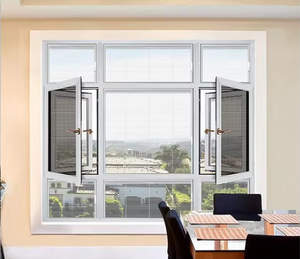
High Quality Modern Design Large Casement Windows Custom Hurricane Impact Anti-Theft Aluminum Glass House Windows Low Price USA
- Structural DP Rating: Up to DP60
- Multi-Point Anti-Theft Locking
- Laminated Impact Safety Glass


Engineered for global architectural standards, structural durability, thermal efficiency, and rigorous hurricane-impact compliance.
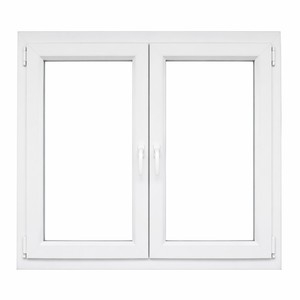
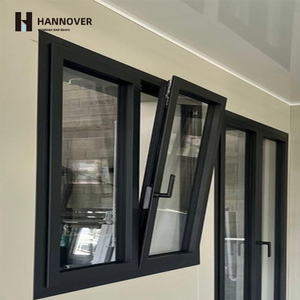
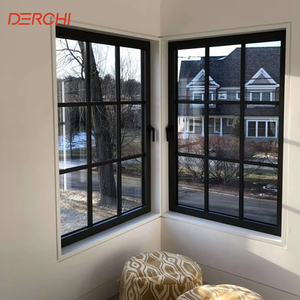
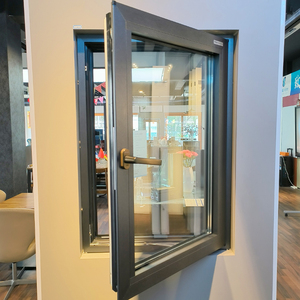
Bridging the operational gap between factory manufacturing, international logistics, architectural compliance, and jobsite performance.
We eliminate specification risk prior to fabrication. Our technical team delivers structural engineering calculations, shop drawings, thermal modeling (LBNL THERM), Title 24 compliance packages, and complete architectural submittal documentation aligned with international building codes (IBC/IRC).
Water penetration represents over 80% of building envelope failures. We construct physical project-specific mock-ups and coordinate ASTM E1105 field water testing alongside window manufacturers, flashing suppliers, and third-party QA consultants before mass production begins.
Export logistics require rigorous protection against oceanic moisture, thermal cycling, and mechanical vibration. We utilize floor-by-floor container packing, heavy-duty wooden crate frameworks, and moisture-barrier vapor wrapping to enable direct floor drop delivery on commercial jobsites.
Recessed fenestration openings represent the most demanding waterproofing conditions in construction. Our engineering protocols incorporate pre-folded sill pans, membrane-integrated self-adhered flashing, and continuous air-seal barriers that integrate seamlessly with local Weather-Resistive Barriers (WRB).
A comprehensive white paper analysis on market dynamics, decarbonization targets, structural engineering requirements, and supply chain strategies for 2026–2030.
The global construction industry is experiencing a seismic shift toward net-zero embodied carbon and operational energy minimization. Commercial developers and residential builders no longer view window and door systems as decorative elements; they are now evaluated as primary thermal barrier assemblies. International procurement requirements increasingly demand U-factors below 0.15 BTU/hr·ft²·°F (0.85 W/m²K), driving massive demand for triple-glazed units infused with Argon or Krypton gas, warm-edge composite spacers, and multi-chambered thermal break profiles.
Furthermore, regulatory frameworks such as Europe's Energy Performance of Buildings Directive (EPBD) and North America's California Title 24, along with stringent Energy Star v7.0 guidelines, have made traditional non-thermal broken aluminum obsolete for multi-family projects. Leading wholesale exporters are rapidly integrating Polyamide PA66 GF25 technoform insulating struts into heavy-duty aluminum extrusions to achieve structural integrity while completely severing conductive heat pathways.
Procurement Benchmark: Global projects targeting LEED v4.1 or Passive House Institute (PHI) certifications must evaluate thermal performance at the total window assembly level (Uw) rather than isolated glass center ratings (Uc). Always request NFRC or certified lab simulator test reports during the submittal phase.
Selecting the optimal framing material represents one of the most critical decisions in volume commercial procurement. The market has stabilized around two dominant materials, each serving distinct structural and climate requirements:
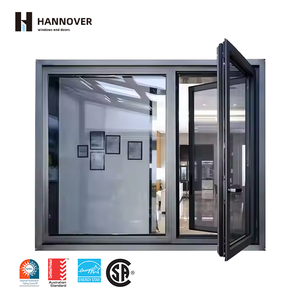
Architectural Thermal Break Aluminum: Favored for high-rise, mixed-use, and luxury modern residential applications due to its high tensile strength and minimal sightlines. Advanced anodizing and AAMA 2605 fluoropolymer powder coatings (PVDF) ensure that aluminum frames resist extreme marine saline exposure, high wind loads (up to DP80), and UV degradation without chalking or fading over a 30-year lifecycle.
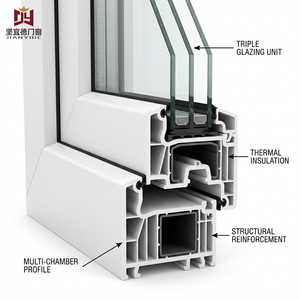
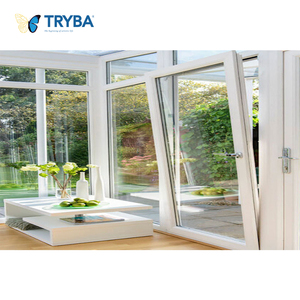
Multi-Chambered Steel-Reinforced UPVC/Vinyl: Dominating high-volume affordable housing, student housing, and extreme cold climate zones. Modern vinyl formulations utilize high-grade titanium dioxide (TiO2) stabilizers to prevent yellowing under intense solar irradiance. When internal chambers are reinforced with galvanized steel profiles, UPVC casement and tilt-and-turn systems match the structural deflection limits of aluminum while offering superior cost efficiency and acoustic attenuation (STC ratings up to 45 dB).
As climate volatility intensifies, coastal developments across North America, the Caribbean, and Southeast Asia face updated building codes requiring rigorous impact protection. The demand for hurricane-impact doors and windows is growing at an unprecedented rate. Sourcing from top-tier wholesale exporters requires verifying performance under ASTM E1886 / E1996 cyclic wind pressure and large missile impact testing standards.
Modern impact fenestration utilizes heavy-duty PVB or SentryGlas (SGP) ionoplast interlayers sandwiched between heat-strengthened glass panes. These assemblies resist windblown debris traveling at 50 feet per second and endure continuous hurricane-force positive and negative pressures without breach, guaranteeing structural envelope integrity during catastrophic storms.
The modern B2B door procurement lifecycle relies heavily on digital integration. Leading international general contractors now mandate Building Information Modeling (BIM) Revit family files during early design phases. Exporters who provide fully parametrized BIM models enable architects to calculate building thermal loads, solar heat gain coefficients (SHGC), and daylighting levels in real-time simulations.
Simultaneously, enterprise buyers are bypassing intermediary trading entities in favor of direct factory export platforms that offer complete quality control traceability. From raw material extrusion billet certifications to digital water tightness testing logs and automated factory packing slips, direct factory partnerships drastically reduce lead times, eliminate markup costs, and ensure strict adherence to project specifications.
Essential technical and logistical insights for general contractors, purchasing agents, and commercial project managers.
Reputable export manufacturers submit their product lines to accredited third-party testing laboratories (such as Intertek, UL, or TLS Laboratories) for physical testing under ASTM, NFRC, and AAMA criteria. Test reports cover structural design pressure (DP), air infiltration (ASTM E283), water penetration resistance (ASTM E331/E547), and thermal performance (NFRC 100/200). Always request official, current test report numbers during the bidding process.
Export fenestration packages undergo specialized export packaging: frames are wrapped in protective polyethylene foam, corners are fitted with impact-resistant caps, and glass units are isolated with cork pads. Sealed units are then secured inside heavy-duty, fully enclosed fumigated plywood crates or vertical steel A-frames. Containers are fitted with industrial desiccant bags to absorb moisture and prevent condensation oxidation during transit.
Even the highest-rated window will leak if the rough opening interface is improperly sealed. Top exporters provide standardized, project-specific CAD installation details showing complete flashing sequences (sill pans, corner boots, self-adhered membranes, and fluid-applied WRB integration). Remote video consultations and comprehensive field execution manuals ensure local sub-contractors execute leak-free installations.
Typical lead times range from 6 to 10 weeks depending on customization. The process includes 1–2 weeks for shop drawing submittal approval, 3–4 weeks for precision extrusion, powder coating, double/triple glazing assembly, and QA testing, and 2–4 weeks for ocean transit. Early engagement during the pre-construction phase ensures procurement aligns with the general contractor's construction master schedule.
Non-thermal aluminum consists of a solid metallic extrusion that readily conducts heat and cold, causing substantial thermal loss and interior frame condensation. Thermal break aluminum features a non-conductive structural polyamide (PA66 GF25) barrier inserted between the inner and outer aluminum extrusions. This breaks the heat path, lowering frame U-factors by up to 60% and eliminating internal sweating.
Yes. Utilizing state-of-the-art vertical powder coating lines and anodizing tanks, factory direct suppliers offer matching to any RAL color palette, Kynar 500/PVDF finishes, and realistic wood-grain sublimation. Dual-tone capability allows the exterior profile color to match the facade scheme while maintaining a distinct interior color matching interior design guidelines.
Streamline your commercial or multi-family supply chain with precision-engineered products, certified thermal efficiency, and end-to-end technical submittal support.