

Architectural Glass Panels & High-Performance Window Systems
Engineered to exceed NFRC, Title 24, and ASTM structural integrity standards for commercial, multi-family, and high-end residential projects.
-
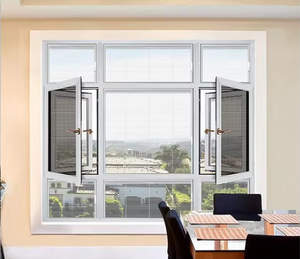
High Quality Modern Design Large Casement Windows Custom Hurricane Impact Anti-Theft Aluminum Glass House Windows Low Price USA
-
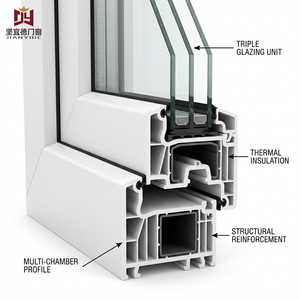
Energy Saving Multi-Chamber UPVC Casement Window | UV Resistant Triple Glazed Vinyl Window For Cold Climate
-
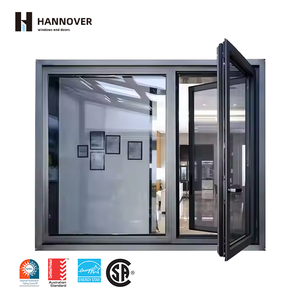
Modern NFRC Aluminum Casement Window Double or Triple Glazed Tilt and Turn Window Custom Sizes for Villa Commercial Projects
-
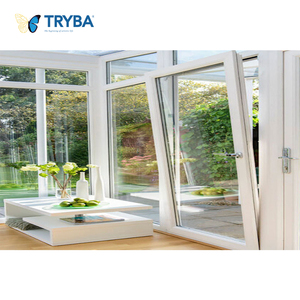
Custom High Quality UPVC German Windows Tilt And Turn Windows
-
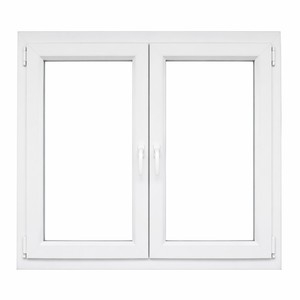
Wholesale High Quality UPVC Windows for Bulk Order Building Material Projects and Commercial Construction Solutions
-
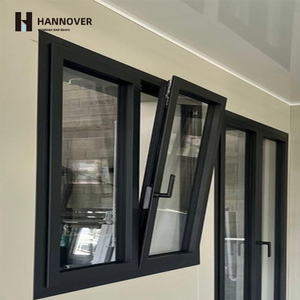
Double Glazed Aluminum Alloy Swing Casement Window Thermal Break System For Energy Efficient Villa Homes
-
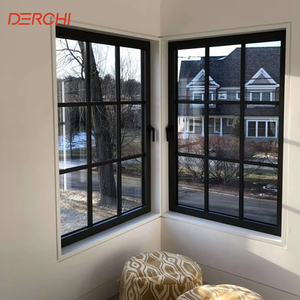
Modern Narrow Frame Commercial Customized Triple Glazed Aluminum European Style Casement windows Black for Residential windows
-
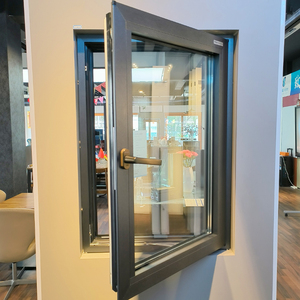
European Style Energy Star Energy Efficient Thermal Break Aluminium Triple Glazed Aluminum Passive House Windows
Single-Source Fenestration Accountability: Closing the Supplier-Installer Gap
Since 1999, Walker Windows has eliminated project risk by integrating architectural window manufacturing supply with certified installation field operations.
Eliminating Water Intrusion in Complex Opening Details
In high-density multi-family, podium, wrap, and mixed-use construction, the vast majority of building envelope failures occur due to miscommunication between distinct product vendors and third-party installers. When glass panel manufacturing specifications fail to align seamlessly with jobsite flashing conditions, systemic leaks and costly rework follow.
Our operational model resolves this structural friction. By combining pre-construction technical consultation, architectural submittals, jobsite mock-ups, field water testing (ASTM E1105 / AAMA 501.2), and dedicated post-occupancy service under one umbrella, we guarantee full accountability across the building lifecycle.
- In-House Supervised Field Crews: Zero dependence on unvetted third-party labor brokers; full execution oversight on every rough opening.
- Complete Submittal Management: Engineering shop drawings, thermal calculations (U-Value/SHGC), acoustic testing (STC/OITC), and Title 24 compliance verification.
- On-Site Mock-Up Coordination: In-field water infiltration testing alongside developers, architects, and third-party QA laboratories.
- Post-Occupancy Service Guarantee: Rapid punch-list turnaround, direct glass hardware sourcing, and ongoing warranty backup.
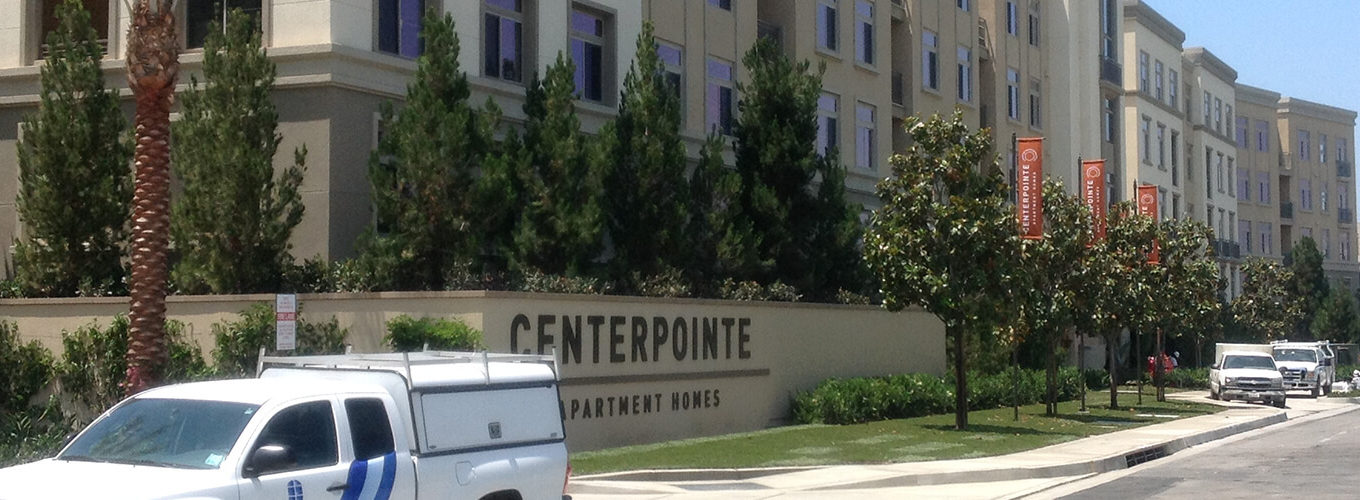
Future Development Trends in Structural Glass Panels & Fenestration
As global building energy codes tighten and architectural designs demand larger expansive glazing areas, glass panel manufacturing is undergoing a technical evolution driven by material science and automation.
Vacuum Insulated Glass (VIG) & Aerogel Interlayers
Traditional double and triple glazing are reaching physical limits regarding profile depth and structural weight. Next-generation structural glass panels integrate Vacuum Insulated Glass (VIG) technology, utilizing a tiny micro-spacer vacuum gap to achieve R-values exceeding R-10 in profile thicknesses under 10mm. Furthermore, aerogel-infused interlayers are providing ultra-low U-factors while maintaining optimal visual light transmittance (VLT).
Advanced Thermal Break Polyamide Extrusions
Modern aluminum window frames rely on multi-chambered polyamide thermal breaks reinforced with fiberglass. The structural glass panel industry is transitioning toward bio-based polyamide materials and expanded thermal isolation zones. These engineered thermal barriers effectively eliminate condensation risk, preventing thermal bridging in severe cold climates and high-humidity environments alike.
High-Performance Interlayer Lamination (SGP vs. PVB)
For hurricane-impact zones and security-focused commercial assemblies, traditional Polyvinyl Butyral (PVB) interlayers are being replaced by SentryGlas® Plus (SGP) ionoplast interlayers. SGP offers 5 times the tear strength and up to 100 times the rigidity of standard laminates, allowing glass panels to withstand catastrophic wind loads, missile impacts, and forced entry attempts without total panel deflection.
Dynamic Glazing & Electrochromic Smart Glass Integration
Building-Integrated Photovoltaics (BIPV) and dynamic electrochromic glazing represent the frontier of high-performance architectural facades. By dynamically tinting in response to solar irradiance or building management system (BMS) controls, smart glass panels reduce peak HVAC cooling loads by up to 30%. In parallel, semi-transparent BIPV windows allow the building skin itself to generate clean energy without compromising architectural aesthetic standards or interior daylighting quality.
Modern B2B Procurement Trends in Structural Glass Manufacturing
General contractors, developers, and architects are revamping their procurement frameworks to manage supply chain volatilies, stringent decarbonization mandates, and offsite modular construction requirements.
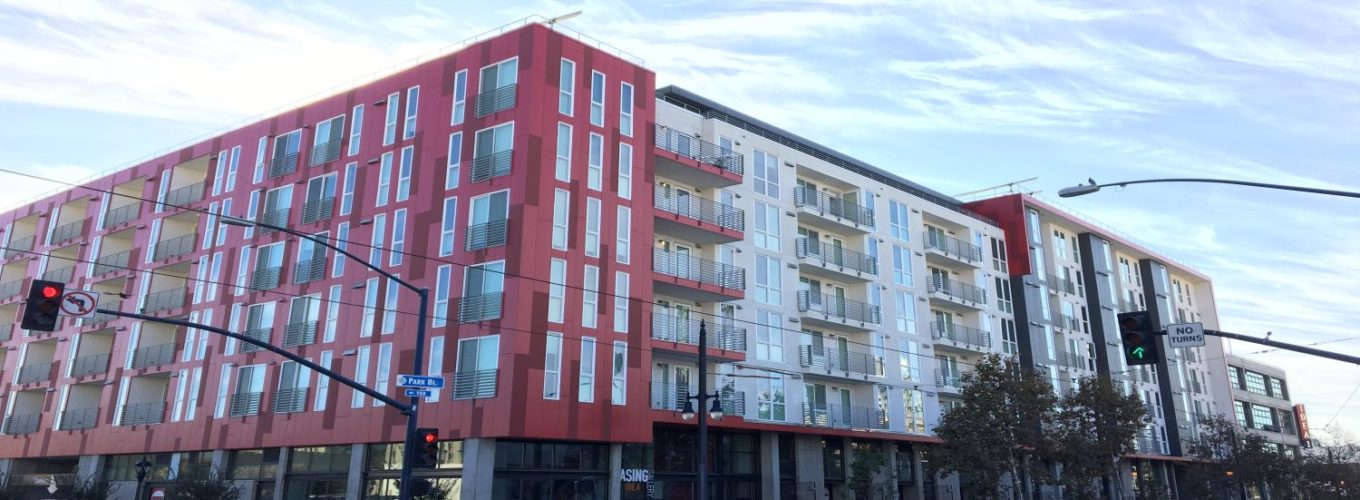
1. Shift Toward Modular & Pre-Glazed Factory Assemblies
On-site labor constraints and tight urban construction schedules have accelerated demand for factory-assembled, pre-glazed window and curtain wall systems. Sourcing pre-glazed units manufactured in climate-controlled automation facilities reduces jobsite installation duration by up to 40%, while ensuring seal integrity, silicone curing precision, and structural bonding superior to field-applied methods.
2. Embodied Carbon Tracking & Environmental Product Declarations (EPD)
With LEED v4.1, Buy Clean directives, and regional low-carbon concrete and glass requirements, procurement teams now evaluate glass manufacturers based on verified Environmental Product Declarations (EPDs). Premier glass suppliers are adopting electric float glass furnaces, utilizing high percentages of recycled glass cullet, and optimizing logistics routes to deliver low-embodied-carbon fenestration packages.
3. Early Design-Assist & Pre-Construction Vendor Engagement
The traditional "design-bid-build" model frequently leads to costly change orders and late-stage engineering redesigns. Leading U.S. developers are adopting Design-Assist procurement models, engaging fenestration manufacturers and installing contractors during the schematic design phase. This early collaboration ensures structural load calculations, thermal performance modeling, rough opening waterproofing details, and lead-time sequencing are fully locked in before bidding begins.
Procurement, Engineering, & Specification FAQ
Key insights for purchasing agents, structural engineers, architects, and general contractors evaluating glass panel manufacturing partners.
When procuring glass panels and commercial window packages, you should verify National Fenestration Rating Council (NFRC) certifications for overall product U-factor, Solar Heat Gain Coefficient (SHGC), and Visible Transmittance (VT). Additionally, verify American Architectural Manufacturers Association (AAMA / FGIA) structural performance ratings, ASTM E283 (Air Infiltration), ASTM E331 (Water Penetration Resistance), and ASTM E330 (Structural Performance). For coastal impact zones, confirm TAS 201/202/203 or ASTM E1886/E1996 hurricane impact test reports.
Separating the glass manufacturer from the field installation contractor creates a major liability gap. If a water intrusion occurs post-occupancy, manufacturers often blame improper flashing, while installers blame frame manufacturing defects. A single-source provider like Walker Windows handles design submittals, factory procurement, delivery sequencing, flashing integration, and field installation. This single line of accountability ensures jobsite mock-up water testing (AAMA 501.2 / ASTM E1105) is conducted and approved before mass installation, preventing costly latent building envelope failures.
Double-glazed units feature two glass panes separated by an insulating gas space (typically Argon), while triple-glazed units utilize three panes and two air gaps, delivering superior thermal performance (lower U-factor) ideal for extreme climates or Passive House designs. Low-Emissivity (Low-E) coatings are microscopically thin metallic layers applied to glass surfaces. Spectrally selective Low-E coatings reflect long-wave infrared heat while permitting visible light, drastically cutting SHGC without darkening interior spaces.
Recessed openings require a multi-layered waterproofing strategy because water naturally pools on recessed sill ledges. Effective execution requires engineered self-adhered membrane flashing, sloped sill pans with end dams, continuous liquid-applied air/water barriers integrated directly with the Weather-Resistant Barrier (WRB), and back-bedding sealant beads along the frame flange. We build project-specific mock-ups and coordinate directly with flashing chemical manufacturers to obtain written system compatibility warranties prior to installation.
Standard architectural aluminum and UPVC profiles typically carry a factory lead time of 8 to 12 weeks following final submittal sign-off, shop drawing approval, and field dimension verification. Custom thermally broken systems, specialized high-performance coatings, structural SGP laminated glass, or oversized units may require 12 to 16 weeks. Incorporating a Design-Assist phase early in pre-construction allows long-lead glass extrusions to be placed ahead of framing milestones, mitigating schedule bottlenecks.
Yes. Commercial architectural glass panel systems offer extensive customizability. Aluminum framing extrusions can be finished with Class I anodized treatments or AAMA 2605 fluoropolymer powder coatings (PVDF) in virtually any custom RAL color, offering superior resistance to chalking, salt spray, and UV degradation. Dual-color thermal break extrusions also allow distinct interior and exterior frame finishes to match interior architectural design schemes while satisfying exterior elevation guidelines.
Ready to Specify High-Performance Glass Panels for Your Project?
Submit your architectural drawings, window schedules, or preliminary submittals to our engineering team for expert technical review, budgetary estimating, and flashing integration analysis.
Get Catalog