

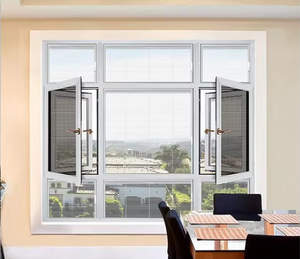
Certified Awning & Casement Window Solutions
Engineered specifically to fulfill Portuguese REH (Regulamento dos Desempenhos Energéticos dos Edifícios de Habitação) standards and European nZEB mandates, our fenestration systems blend modern minimalism with structural resilience.
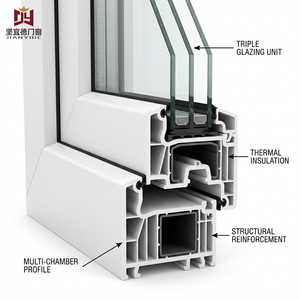
Energy Saving Multi-Chamber UPVC Awning Window | UV Resistant Triple Glazed Vinyl Window for Atlantic Climates
Inquire Now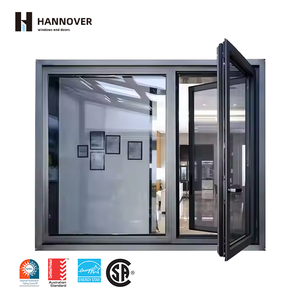
Modern NFRC Aluminum Awning & Casement Window Double or Triple Glazed Tilt and Turn System for Commercial Projects
Inquire Now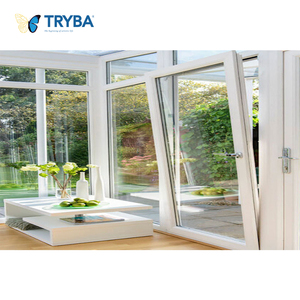
Custom High Quality UPVC German Profile Awning Windows & Tilt-Turn Systems with Multi-Lock Security
Inquire Now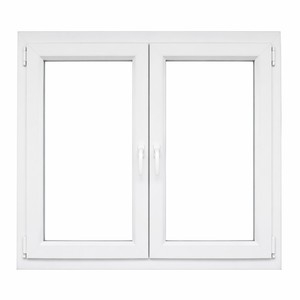
Wholesale High Quality UPVC Awning Windows for Bulk Order Building Material Projects & Commercial Solutions
Inquire Now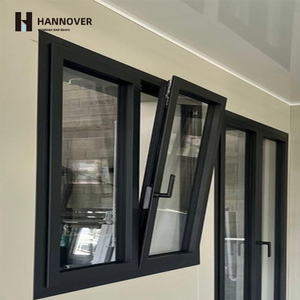
Double Glazed Aluminum Alloy Swing Awning Window Thermal Break System for Energy Efficient Villa Homes
Inquire Now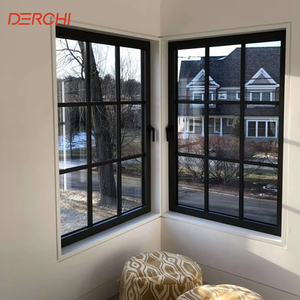
Modern Narrow Frame Commercial Customized Triple Glazed Aluminum European Awning & Casement Windows
Inquire Now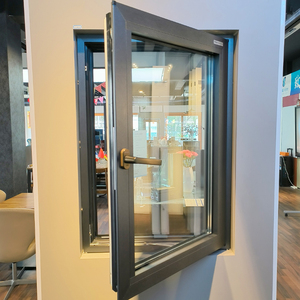
European Style Energy Efficient Thermal Break Aluminium Triple Glazed Passive House Awning Windows
Inquire NowArchitectural Engineering of Awning Windows for the Portuguese Market
Portugal’s geographic position—stretching along the Atlantic coast with distinct Mediterranean climatic influences—demands specialized fenestration engineering. Awning windows, hinged at the top and opening outward from the bottom, offer uniquely superior performance metrics for Portuguese residential and commercial projects.
Coastal Salt-Air Corrosion Shielding
In coastal hubs such as Lisbon, Cascais, Porto, and the Algarve, saline humidity quickly degrades standard hardware. Our exported awning windows utilize marine-grade 6063-T6 aluminum alloys treated with Qualicoat Class 2 powder coating and 25-micron anodization layers. Stainless steel 316-grade stays and multipoint locking hardware guarantee resistance against 3,000-hour salt spray testing (ISO 9227).
Thermal Break Optimization (REH & nZEB)
Compliance with Portugal’s Regulamento dos Desempenhos Energéticos dos Edifícios de Habitação (REH) requires exceptional U-values. Integrating 24mm to 34mm Polyamide (PA66GF25) thermal barriers, our awning windows achieve overall window thermal transmittance values (Uw) down to 0.79 W/m²K, minimizing thermal bridging during damp winters and scorching Mediterranean summers.
All-Weather Ventilation & Water Tightness
Awning windows create a natural umbrella effect when opened. In rainy regions like Minho and Northern Portugal, they provide continuous ventilation without admitting wind-driven rain. Multi-gasket EPDM continuous sealing ensures water tightness up to Class E1050 under EN 12208, effectively protecting interior plaster and floor finishes from severe Atlantic squalls.
Technical Performance Matrix: Awning Windows vs. European Standards
Comprehensive comparative analysis of structural, thermal, and acoustic engineering parameters engineered for Portuguese building codes.
| Performance Metric | EN Standard / Code | Export Standard Specification | High-Gain Passive House Option | Portuguese REH Target |
|---|---|---|---|---|
| Thermal Transmittance (Uw) | EN ISO 10077-2 | 1.2 – 1.4 W/m²K | 0.79 W/m²K | ≤ 1.80 W/m²K (Zone I1-I3) |
| Air Permeability | EN 12207 | Class 4 (600 Pa) | Class 4 (600 Pa) | Class 3 Minimum |
| Water Tightness | EN 12208 | Class E900 (900 Pa) | Class E1050 (1050 Pa) | Class 7A Minimum |
| Wind Load Resistance | EN 12210 | Class C5 (2000 Pa) | Class C5 (2000 Pa) | Class C3 Minimum |
| Acoustic Insulation (Rw) | EN ISO 717-1 | 38 dB (-1; -4) | 45 dB (-2; -6) | 33 - 40 dB (Urban Nodes) |
| Solar Factor (g-value / SHGC) | EN 410 | 0.35 - 0.42 (Solar Control) | 0.28 (Select Selective Low-E) | Configured per Solar Orientation |
Local Market Applications
Tailored Solutions for Portugal's Diverse Microclimates
Fenestration demands vary radically across the Portuguese mainland and islands. Exporting awning windows to Portugal requires a contextual approach to regional architecture and atmospheric exposures:
- Lisbon Metropolitan & Estoril Coastline: High wind exposure and salt breeze require structural frame depth (70mm–90mm) with marine-grade powder coating and high acoustic damping against dense urban traffic noise.
- The Algarve (Southern Coastal Resort & Villa Construction): Low-solar-heat-gain coatings (SHGC < 0.30) paired with awning top-hinged openings maximize night cooling airflow while repelling harsh summer solar radiation.
- Porto & Northern Atlantic Region: Heavy wind-driven rain and high relative humidity demand triple-gasket perimeter sealing and deep integrated drainage channels with anti-backflow caps.
- Inland & High-Altitude Regions (Viseu, Guarda, Serra da Estrela): Extreme seasonal temperature swings demand triple-glazed argon-filled IGU units with warm-edge composite spacers to prevent perimeter condensation.
Key Trends Driving Portugal’s Architectural Fenestration Sector
Architects in Lisbon, Porto, and Faro are rapidly moving away from legacy non-insulated sliding profiles. The shift toward modern awning and tilt-turn systems is driven by stringent EU environmental mandates and changing homeowner expectations.
1. Minimalist Slim Sightlines
Contemporary Portuguese villa architecture favors ultra-slim aluminum profiles that blur the line between indoor and outdoor spaces. Our narrow-frame awning window series provides concealed sashes and flush interior frames without sacrificing structural wind-load resistance or thermal breaks.
2. Strict CE Marking & EN 14351-1 Compliance
Imported fenestration products entering Portugal must meet rigorous European Harmonized Standards. Every awning window package exported by our facility is accompanied by complete Declaration of Performance (DoP) documentation, factory production control certification, and CE labels.
3. Acoustic Damping for Rehabilitation Projects
Urban regeneration in historic centers (such as Baixa Pombalina in Lisbon or Ribeira in Porto) demands acoustic isolation up to 45 dB. Our acoustic laminated glass assemblies (e.g., 6+6.4 PVB Acoustic / 16 Argon / 6 Low-E) block low-frequency city sound while preserving facade integrity.
Enterprise Reliability
Why Leading Contractors & Developers Partner With Us
With an established legacy operating since 1999 and having partnered with 7 of the Top 10 U.S. General Contractors, our engineering expertise spans complex commercial developments, luxury multi-family communities, and large-scale residential exports.
- Single-Source Accountability: We eliminate the operational friction between manufacturing supplier and field installer by coordinating shop drawings, mock-up testing, delivery sequencing, and warranty support under one accountable team.
- Rigorous Jobsite Mock-Ups & Water Testing: Prior to production runs, we coordinate structural mock-up assemblies and jobsite water pressure tests (ASTM E331 / EN 1027) with third-party testing agencies and flashing manufacturers.
- Recessed & Flush Installation Masterclass: Waterproofing recessed window openings is one of fenestration’s most demanding details. We engineer custom sill pan flashings, membrane integration channels, and continuous exterior sealant geometry.
- Export Logistics Efficiency: Direct shipping routes to Portugal’s major ports (Port of Leixões and Port of Sines) with custom export crating, ISPM-15 heat-treated wooden framing, and full customs documentation support.
Frequently Asked Questions by Portuguese Buyers & Importers
Essential technical, financial, and logistical insights for architects, developers, and general contractors importing awning windows into Portugal.
How do your awning windows meet Portuguese REH thermal energy standards?
Our awning window series utilizes high-density polyamide thermal break strips (PA66GF25) and multi-chamber aluminum or UPVC profiles paired with double or triple insulated glass units (IGUs). Utilizing argon gas filling, low-emissivity (Low-E) coatings, and warm-edge composite spacers, we achieve overall window U-values (Uw) ranging from 1.2 W/m²K down to 0.79 W/m²K, easily surpassing the requirements of REH climate zones I1, I2, and I3 in Portugal.
What surface treatments protect the windows from coastal salt-air corrosion in Portugal?
For coastal installations in areas like Lisbon, Cascais, Silver Coast, and Algarve, we specify marine-grade surface treatments certified by Qualicoat (Class 2 or Class 3 seaside grade) or minimum 25-micron anodic oxidation (anodization). Hardware components, hinges, friction stays, and fasteners are manufactured exclusively from AISI 316 stainless steel to withstand severe salt spray environments without pitting or galvanic corrosion.
Are your exported windows fully certified with CE marking and EN standards?
Yes. All window assemblies exported to the European Union come with comprehensive CE marking compliant with EN 14351-1:2006+A2:2016. We supply full Declaration of Performance (DoP) certificates detailing accredited laboratory test results for air permeability (EN 12207), water tightness (EN 12208), wind load resistance (EN 12210), and acoustic isolation (EN ISO 717-1).
How are bulk architectural orders packed and shipped to Portuguese ports?
Products undergo multi-layer protective packaging: glass surfaces are covered with protective film, frame corners are capped with heavy-duty plastic protectors, and entire frames are wrapped in heat-shrink polyethylene. Windows are loaded into custom ISPM-15 certified heat-treated wooden crates or steel-framed A-frames for ocean freight. Direct shipments are routed to the Port of Leixões (serving Northern Portugal) or the Port of Sines / Port of Lisbon (serving Southern and Central Portugal).
Can you assist local Portuguese installation crews with technical flashing details?
Absolutely. We provide comprehensive architectural CAD shop drawings, 3D section detail diagrams, and step-by-step flashing integration guides tailored to local construction substrates (e.g., masonry walls with thermal insulation ETICS/Capoto, double-leaf brick walls, or lightweight steel frame structures). We also offer remote pre-installation technical consultations for field supervisors.
What is the standard production lead time and delivery schedule for Portugal?
Standard manufacturing lead time is 25 to 35 days following approval of architectural shop drawings and glass submittals. Ocean transit time to Portuguese main ports typically ranges between 22 and 30 days depending on the shipping line. Accelerated production options are available for time-sensitive commercial projects.
Partner With a Trusted Global Window Exporter
Whether you are developing a luxury residential villa community in Cascais, a resort complex in the Algarve, or an urban commercial build in Lisbon, our technical export team is ready to review your schedules and architectural drawings.
Inquire Now