

Featured Architectural Casement Windows
Certified fenestration assemblies engineered for maximum structural integrity, water tightness, and solar heat control in Southeast Asian tropical environments.
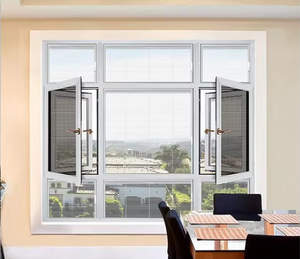
Modern Large Hurricane Impact Anti-Theft Aluminum Glass Window
Get Catalog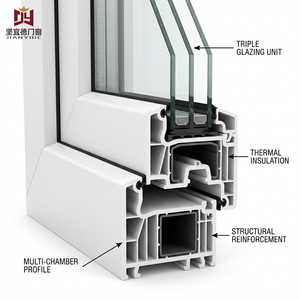
Multi-Chamber UV-Resistant UPVC Triple Glazed Window
Get Catalog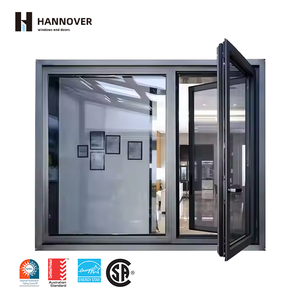
NFRC Certified Aluminum Double/Triple Glazed Tilt & Turn Window
Get Catalog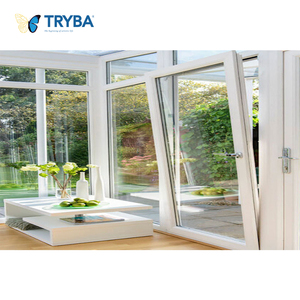
German System Precision UPVC Tilt and Turn Casement Window
Get Catalog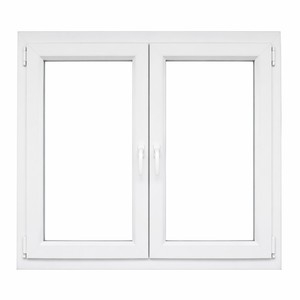
Commercial Project Bulk UPVC High-Tightness Casement System
Get Catalog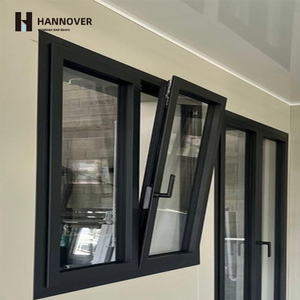
Thermal Break Aluminum Alloy Swing Window for Modern Villas
Get Catalog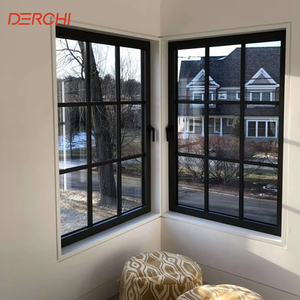
Narrow Frame European Style Triple Glazed Aluminum Window
Get Catalog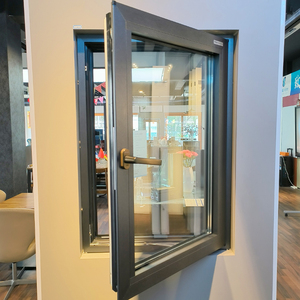
Energy Star Certified Passive House Thermal Break Aluminum Window
Get CatalogEngineering Fenestration Systems for Ho Chi Minh City’s Microclimate
Ho Chi Minh City presents one of the most demanding built environments in Southeast Asia. Designing casement window systems for this region requires balancing extreme rainfall, high solar heat, dense urban acoustic pollution, and severe tropical storms.
Monsoon Waterproofing & Sill Pan Flashing
During HCMC's rainy season (May to November), wind-driven rain can hit exterior walls at speeds exceeding 120 km/h. Standard sliding windows often suffer from water overflow through sill tracks. Our engineering utilizes compression-sealed multi-point locking casement sashes paired with extruded aluminum sub-sills and dual-durometer EPDM gaskets, providing zero water penetration under dynamic pressure tests up to 700 Pa (ASTM E331).
Solar Heat Gain Reduction (SHGC Optimization)
With average high temperatures exceeding 34°C year-round and intense ultraviolet exposure, uninsulated window frames account for up to 40% of residential air-conditioning loads in HCMC. Our custom casement windows feature Polyamide (PA66) thermal barrier breaks and Low-E double or triple glazing filled with 90% Argon gas, achieving Solar Heat Gain Coefficients (SHGC) as low as 0.22 and U-factors below 1.4 W/m²K.
Urban Acoustic Insulation (STC 38–42dB)
Motorbike traffic and rapid urban construction in districts like District 1 and Bình Thạnh generate persistent environmental noise averaging 75–85 dB. By pairing multi-chamber profile designs with asymmetric laminated acoustic glass (e.g., 6mm Low-E + 1.52mm PVB + 6mm Clear), our casement windows reduce interior noise pollution to comfortable office and residential standards (<35 dB).
High-Rise Typhoon Pressure Resistance
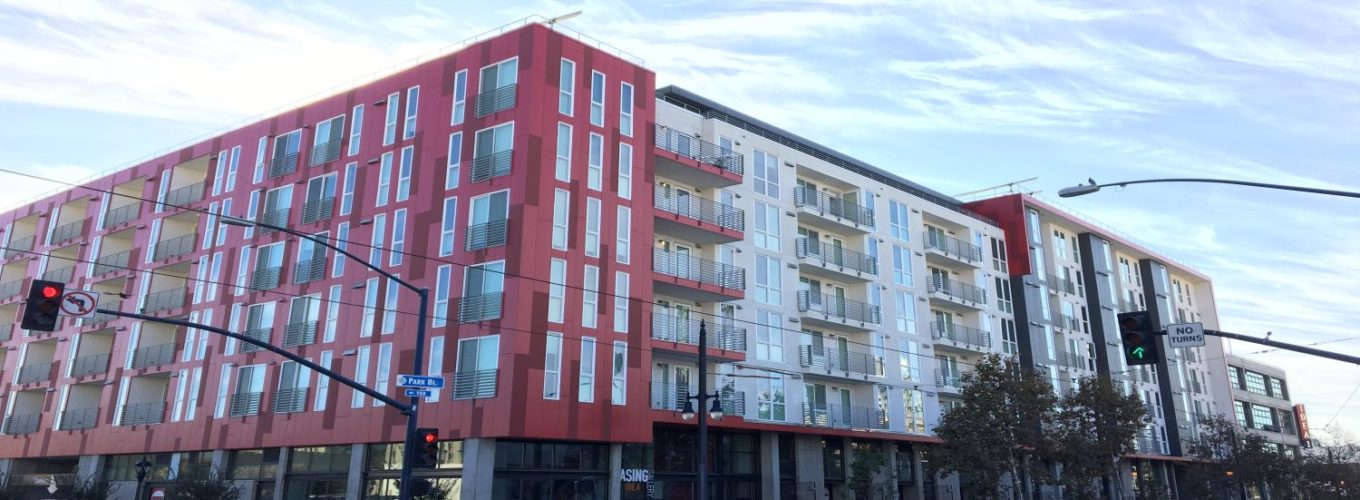
High-rise developments in areas such as Thủ Đức City and District 2 (Thủ Thiêm) face severe structural wind loads at elevations above 50 meters. Our casement windows use high-tensile 6063-T6 aluminum alloys and reinforced steel uPVC profiles designed to withstand extreme positive and negative wind pressures (up to 4500 Pa).
Every export lot destined for Ho Chi Minh City undergoes rigorous mock-up testing to guarantee deflection limits do not exceed L/175, ensuring long-term operational safety and zero structural frame fatigue.
Application Scenarios Across HCMC Urban Zones
From riverfront luxury villas to ultra-dense commercial towers, our specialized casement window solutions meet the aesthetic and structural requirements of Ho Chi Minh City's diverse real estate landscape.
Riverfront Luxury Villas & Townhouses
Villas situated along the Saigon River in Thảo Điền and An Phú encounter high humidity and salt-spray corrosion risks. Our fluorocarbon polymer-coated aluminum casement windows offer 25+ years of salt-fog corrosion resistance (AAMA 2605 compliant). Integrated multi-tilt configurations allow maximize natural ventilation while maintaining watertight perimeter seals during sudden afternoon downpours.
High-Rise Residential Podium Towers
Modern multi-family podium developments require uniform exterior aesthetics, strict energy ratings, and certified fire-rated ventilation. Our narrow-frame European casement windows combine structural mullion reinforcement with concealed friction hinges, allowing expansive glass surfaces that frame skyline views without compromising safety or thermal performance.
Green Building Certified Office Complexes
Developers aiming for LOTUS or LEED Gold certification in District 7 utilize our thermally broken, triple-glazed uPVC and aluminum casement systems. The low U-factors substantially decrease HVAC mechanical loads, directly contributing to energy performance scorecards and lowering long-term operating costs.
Ho Chi Minh City Fenestration Market Trends (2025–2030)
The Vietnam building sector is experiencing a major shift toward high-performance building envelopes. Developers and general contractors in HCMC are actively replacing legacy single-glazed aluminum systems with advanced thermal casement engineering.
1. Mandatory Adoption of LOTUS & EDGE Standards
The Vietnam Ministry of Construction (MOC) and municipal authorities in HCMC are enforcing stricter energy performance codes for commercial and residential high-rises. Projects must lower overall Building Energy Intensity (BEI). Thermally broken casement windows with Low-E glass are fast becoming standard specification criteria for Tier-1 contractors.
2. Demand for Ultra-Slim Architectural Frames
Modern architectural aesthetics in Saigon favor minimalist sightlines and floor-to-ceiling glass exposure. Narrow-frame aluminum casement windows provide high structural load limits while reducing visible profile widths to under 50mm, maximizing natural light penetration without forfeiting frame rigidity.
3. Integrated Insect Screening & Anti-Theft Hardware
Due to HCMC's tropical insects and security considerations in ground-floor or low-rise developments, buyers increasingly request casement windows fitted with built-in 304 stainless steel mesh screens and multi-point security locking systems operated via single ergonomic handles.
| Performance Metrics | Standard Local Aluminum Windows | Our Export Thermal Break Aluminum | Our Multi-Chamber uPVC Systems |
|---|---|---|---|
| U-Factor (Thermal Insulation) | 5.8 - 6.5 W/m²K (Poor) | 1.4 - 1.8 W/m²K (Superior) | 1.1 - 1.5 W/m²K (Optimal) |
| Water Penetration Resistance | 150 - 250 Pa (Frequent Leaks) | 600 - 700 Pa (Monsoon Proof) | 500 - 650 Pa (High Resistance) |
| Acoustic Attenuation (STC) | 22 - 26 dB (High Noise) | 38 - 42 dB (Quiet Interior) | 36 - 40 dB (Quiet Interior) |
| Wind Pressure Rating | 1500 - 2000 Pa | 3500 - 4500 Pa (High Rise Certified) | 2500 - 3200 Pa |
| Surface Finish Warranty | 3 - 5 Years (Fading/Chipping) | 15 - 25 Years (AkzoNobel/PVDF) | 20+ Years (UV-Stabilized) |
Why Top Global Contractors & Importers Trust Our Manufacturing
Established in 1999, our enterprise has built a reputational track record as a single-accountability fenestration supplier and exporter. Having partnered with 7 of the Top 10 U.S. General Contractors and leading international developers, we bridge the gap between architectural concept and flawless jobsite delivery.
- End-to-End Technical Accountability: From shop drawing submittals to precision extrusion, glazing, and sea-freight packaging.
- Pre-Installation Jobsite Mock-Ups: We conduct off-site ASTM mock-up assembly and water testing prior to mass production runs.
- Ocean Freight Logistics to Cát Lái Port: Customized ocean-crating and moisture-proof packaging specifically engineered for container transport to Ho Chi Minh City ports.
Recessed Window Flashing & Leak-Free Detail Mastery
Recessed openings represent the single highest failure point for water intrusion in multi-family and commercial construction. Our engineering teams formulate project-specific flashing sequences integrated directly with exterior weather barrier systems (WRB).
Every casement window assembly features molded corner keys, vulcanized corner gaskets, and continuous perimeter sealant joints. By controlling raw material quality and precision assembly tolerances, we ensure leak-free performance over decades of extreme weather service.
Frequently Asked Questions by Ho Chi Minh City Importers & Developers
Clear engineering and commercial answers to help procurement managers, architects, and general contractors make informed fenestration purchasing decisions.
What are the shipping leads times and port of entry details for Ho Chi Minh City orders?
Production lead times typically range from 20 to 30 days depending on custom profile extrusion, anodizing/powder coating specs, and glass unit configuration. Shipping from our factory port directly to Cát Lái Port or Hiệp Phước Port in Ho Chi Minh City usually takes between 7 to 14 days in transit. We provide complete bill of lading (B/L), commercial invoice, packing list, and Certificate of Origin (CO) documentation to streamline Vietnam Customs clearance.
How do your casement windows resist HCMC's harsh tropical weather and salt-air oxidation?
We use high-grade 6063-T6 aluminum extrusions treated with PVDF (Fluorocarbon) coatings or qualified powder coating compliant with AAMA 2605 specifications. This surface treatment prevents paint chalking, peeling, and electrochemical corrosion caused by high humidity and atmospheric salinity. For uPVC systems, our profiles are formulated with titanium dioxide (TiO2) UV stabilizers to prevent yellowing or embrittlement under intense tropical sunlight.
Can you manufacture custom sizes and arch-top casement configurations for villa projects in District 2 or District 7?
Yes. We specialize in bespoke architectural fenestration. Whether your architectural plans call for oversized single-sash casements (up to 1.2m wide by 2.4m high), French double casements with removable mullions, or integrated fixed-light arches, our factory produces custom frame dimensions according to millimeter-precise CAD/BIM elevation drawings.
What thermal performance and low-E glass options do you recommend for HCMC green buildings?
For optimal performance in HCMC's cooling-dominated climate, we recommend double-glazed insulated glass units (IGU) featuring a 6mm solar-control Low-E exterior lite, a 12mm Argon-filled gas spacer, and a 6mm clear interior lite. This specification provides a low Solar Heat Gain Coefficient (SHGC ≤ 0.25) to block infrared solar heat radiation while allowing high visual light transmittance (VLT ≥ 60%).
How is water seal integrity guaranteed during high-pressure monsoon storms?
Our casement windows employ a triple-seal system utilizing continuous EPDM weatherstripping along both the frame rebate and the sash interior. When the multi-point gear hardware engages, it compresses the sash tightly against the frame gaskets, creating a pressure-equalized drainage chamber that prevents water back siphoning even under hurricane-force wind pressures.
Do you supply architectural submittals, BIM models, and product test certificates for project approval?
Yes. We provide complete technical submittal packages for architect and developer sign-off. This includes 2D CAD cross-sections, 3D Revit BIM family files, structural calculation reports, thermal simulation results (NFRC/ISO standards), and independent laboratory test reports for air infiltration, water resistance, and structural wind load performance.
What is the structural difference between uPVC and Thermal Break Aluminum casement windows for high-rises?
Thermal break aluminum offers higher structural rigidity per profile width, making it ideal for tall towers requiring massive glass panels and extreme wind load resistance (up to 4500 Pa). uPVC casement windows deliver exceptional cost-effective thermal insulation and acoustic damping for low-to-mid rise residential communities. Both material choices feature internal steel or aluminum structural reinforcements when specified for commercial projects.
Partner with a Proven Export Manufacturer for Your HCMC Project
Submit your architectural elevations, window schedules, or tender specifications today. Our engineering team will deliver detailed shop drawings, thermal calculations, and competitive FOB/CIF quotation packages within 24 hours.