

CE-Certified High-Performance Window & Solar Glass Packages
Explore our architectural-grade fenestration solutions, engineered to withstand extreme tropical ultraviolet exposure, high humidity coastal salinity, and rigorous structural wind pressures in high-density urban developments across Lagos, Abuja, Port Harcourt, and Kano.
Engineering Principles of CE Certified High-Performance Window Systems for Sub-Saharan Climates
Building high-performance window envelopes in Nigeria requires a rigorous engineering approach due to the demanding sub-Saharan climatic dynamics. The combination of sustained solar irradiance (average solar insolation exceeding 5.5 kWh/m²/day), coastal air salinity in places like Victoria Island and Lekki Peninsula, intense rainfall during the monsoon season, and substantial ambient heat loads places severe thermal and mechanical stresses on window assemblies.
Our CE Certified window manufacturing standards strictly adhere to European standard EN 14351-1:2006+A2:2016 (Windows and doors - Product standard, performance characteristics), guaranteeing verified air permeability, water tightness, resistance to wind load, and thermal insulation metrics. When combined with SONCAP (Standards Organisation of Nigeria Conformity Assessment Programme) accreditation, our fenestration solutions bridging European precision with West African construction requirements offer developers zero-leak performance, structural stability, and massive operational energy savings.
Core Performance Metrics for Nigerian Fenestration
When specifying window installation packages for high-rise, mixed-use, or high-end residential projects in Nigeria, standard off-the-shelf windows often fail within 24 to 36 months due to seal degradation, hardware corrosion, or thermal warping. Below is our engineering baseline matrix designed specifically for tropical durational integrity:
| Performance Standard | CE Specification (EN Standards) | Nigerian Tropical Adaptation Engineering | Impact on Building Lifecycle |
|---|---|---|---|
| Thermal Transmittance (U-Value) | EN ISO 10077-1 (≤ 1.4 W/m²K) | Polyamide PA66 Thermal Break Strips + Double Low-E Insulated Glass | Drastically lowers HVAC compressor cycles; cuts power bill overhead. |
| Solar Heat Gain (SHGC) | EN 410 (Customizable 0.20 - 0.35) | Lake Ford Blue & Solar Control Reflective Coatings | Blocks near-infrared heat waves while retaining clear visual light transmission. |
| Wind Load Resistance | EN 12210 (Class 4 / 5 - Up to 2400 Pa) | Reinforced 6063-T6 Structural Aluminum Profiles (≥ 2.0mm wall thickness) | Prevents structural deflections during extreme coastal storms in Eko Atlantic. |
| Water Tightness | EN 12208 (Class 9A / E1050) | EPDM Dual-Dichtungs Seal Gaskets + Integrated Sub-Sill Flashing Pans | Eliminates rainwater ingress under high dynamic atmospheric pressure. |
| Acoustic Insulation (Rw) | EN ISO 10140-2 (38 dB - 45 dB) | Laminated PVB Acoustic Interlayers (6mm + 12Ar + 6mm laminated) | Shields interior spaces from dense urban traffic noise in metropolitan areas. |
| Corrosion Resistance | EN 1670 (Class 5 - 480 Hours Neutral Salt Spray) | Fluorocarbon (PVDF) 3-Coat Anodized or Powder Coating Hardware | Prevents oxidation in humid, salt-rich oceanfront atmospheres. |
Localized Application Scenarios across Nigeria's Construction Ecosystem
As Nigeria accelerates its urban modernization, fenestration demands vary significantly depending on geographical locations, architectural micro-climates, and regional power grid conditions. Our CE certified high-performance window assemblies and BIPV solar glass modules are customized for specific local execution environments:
Lagos Coastal & Marine Developments
Locations: Eko Atlantic City, Victoria Island, Ikoyi, Lekki Phase 1.
Engineering Challenge: Extreme saline wind exposure, high atmospheric salt spray, driven tropical monsoon rainstorms.
Solution: PVDF-coated thermal break aluminum window frames fitted with 10mm/12mm heavy-duty toughened laminated glass. Sealed with marine-grade EPDM gaskets and deep pan flashings to ensure complete water integrity during tropical deluges.
Abuja High-Rise Commercial & Institutional Projects
Locations: Central Business District (CBD), Maitama, Asokoro, Wuse II.
Engineering Challenge: Intense solar radiation, elevated daytime heat gain, demand for architectural prestige and sound attenuation.
Solution: Double Low-E Argon-filled curtain walls paired with Lake Ford Blue solar reflective tempered glass. Achieves acoustic isolation up to 42dB while cutting solar heat gain coefficient (SHGC) to below 0.25.
Port Harcourt & Niger Delta Industrial Complexes
Locations: GRA Phase 2, Trans-Amadi, Bonny Island.
Engineering Challenge: High atmospheric ambient humidity, corrosive industrial particulate exposure, security requirements.
Solution: Multi-point locking thermal break casement windows with integrated stainless steel 304 security mesh and anti-corrosive multi-layer coatings for industrial longevity.
Market Trends: Energy Transition, BIPV & Green Building Standards in West Africa
The Nigerian construction sector is undergoing a structural paradigm shift driven by high electricity tariffs, reliance on diesel generator power, and the rapid adoption of international green building standards such as IFC EDGE (Excellence in Design for Greater Efficiencies) and LEED certification. Real estate developers in Lagos and Abuja are moving rapidly from traditional single-glazed louver windows to high-performance thermally isolated window systems and Building-Integrated Photovoltaics (BIPV).
1. BIPV (Building-Integrated Photovoltaic) Window Integration
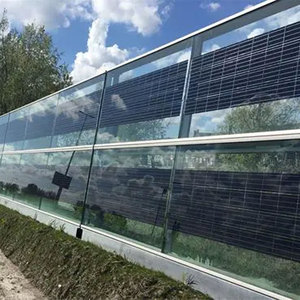
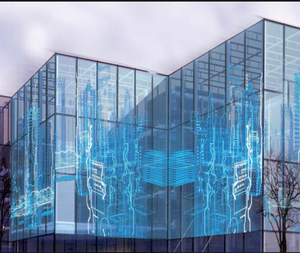
With commercial generator power costs significantly impacting tenant operational expenditure, architects are specifying solar glass facade solutions. Our CdTe (Cadmium Telluride) Thin-Film Solar Module Windows allow light transmittance ranging from 10% to 80% while turning the window glass into a clean, silent renewable energy generator. Installing BIPV glass on south and west-facing facades allows high-rise developments in Nigeria to generate off-grid supplementary electricity for common-area lighting and HVAC circulation.
2. Acoustic Insulation for High-Density Urban Living
As multi-family residential developments expand along major arteries like Lekki-Epe Expressway and Port Harcourt Aba Road, acoustic comfort has become a key luxury selling point. Utilizing acoustic PVB laminated double glass reduces external street noise dramatically, raising tenant retention rates and property asset valuations.
3. SONCAP Compliance & Import Efficiency
Navigating Nigerian Customs and Standards Organisation of Nigeria (SON) regulations requires fully compliant product documentation. Our factory supplies complete Product Certificates (PC) and Certificate of Conformity (CoC) under SONCAP alongside CE test reports, preventing costly port delays at Apapa or Tin Can Island ports.
Why Leading Nigerian Contractors & Developers Partner With Us
Founded with a dedicated heritage in specialized window engineering since 1999, our enterprise bridges advanced global manufacturing with rigorous local jobsite installation execution. Having served over 75% repeat clients including global tier-1 general contractors, our field engineering teams remove the gap between manufacturing precision and jobsite installation performance.
Jobsite Mock-Ups & Water Testing (ASTM E1105)
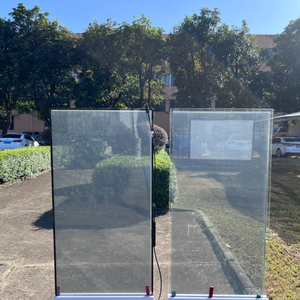
We don't leave performance to chance. Prior to full batch production, we provide complete jobsite mock-up assemblies and coordinate dynamic field water pressure testing (AAMA 501.2 / ASTM E1105 standards) to prove water tightness.
Complete Architectural Submittal Packages
We provide architects and project consultants with complete submittal engineering: CAD shop drawings, BIM Revit models, wind load structural calculations, Title 24 / EN thermal energy compliance reports, and flashing sequence details.
Zero-Leak Recessed Window Flashing Systems
Recessed window openings represent the most demanding waterproofing detail in building construction. We engineer customized sill pan flashing membranes and weatherization barrier tie-ins built for intense tropical downpours.
End-to-End Containerized Logistics to Nigeria
Products are packaged in reinforced ISPM-15 heat-treated fumigated wooden crates with moisture-absorbent desiccant packs, wrapped for sea freight protection directly to Lagos Apapa, Tin Can, or Onne Ports.
Frequently Asked Questions by Nigerian Developers & Procurement Officers
Ready to Spec High-Performance Windows for Your Nigerian Project?
Send us your architectural drawings, window schedules, or tender documents. Our engineering team will review your specifications, prepare thermal/wind calculations, and deliver a comprehensive factory-direct quotation within 48 hours.
Inquire Now