

High-Performance Custom Window Systems for Australian Projects
Engineered for extreme solar radiation, acoustic insulation, structural wind loads (AS4055), and stringent National Construction Code (NCC) energy targets.
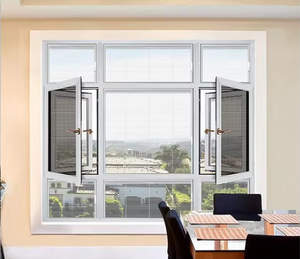
High Quality Modern Design Large Casement Windows Custom Hurricane Impact Anti-Theft Aluminum Glass House Windows Low Price USA
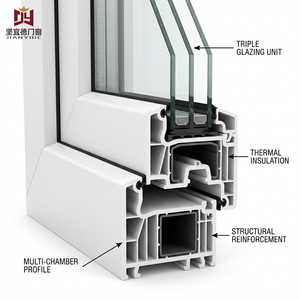
Energy Saving Multi-Chamber UPVC Casement Window | UV Resistant Triple Glazed Vinyl Window For Cold Climate
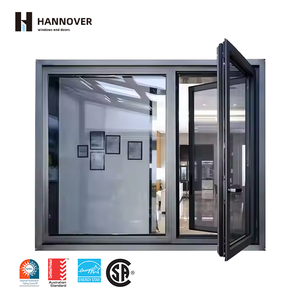
Modern NFRC Aluminum Casement Window Double or Triple Glazed Tilt and Turn Window Custom Sizes for Villa Commercial Projects
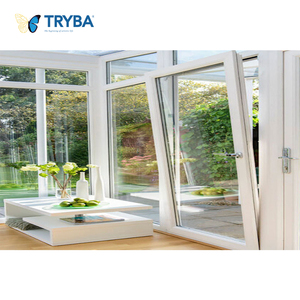
Custom High Quality UPVC German Windows Tilt And Turn Windows
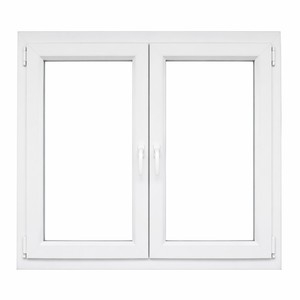
Wholesale High Quality UPVC Windows for Bulk Order Building Material Projects and Commercial Construction Solutions
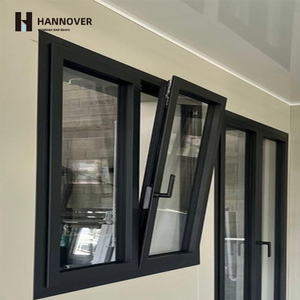
Double Glazed Aluminum Alloy Swing Casement Window Thermal Break System For Energy Efficient Villa Homes
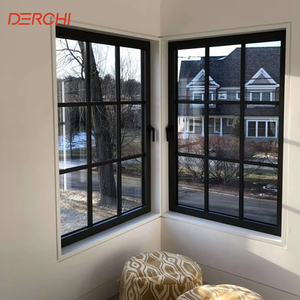
Modern Narrow Frame Commercial Customized Triple Glazed Aluminum European Style Casement windows Black for Residential windows
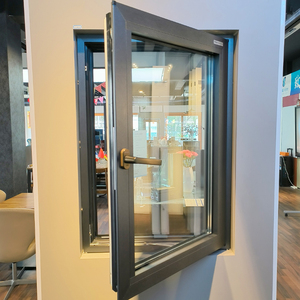
European Style Energy Star Energy Efficient Thermal Break Aluminium Triple Glazed Aluminum Passive House Windows
Strategic Technical Guide: Sourcing Custom Windows from China to Australia
Navigating the global supply chain for high-performance architectural windows requires strict alignment with Australian building codes, local climate dynamics, and rigorous testing regimes. As a premier custom window manufacturer operating advanced fabrication lines in China, our engineering methodology bridges the gap between cost-optimized overseas production and uncompromising compliance with Australia’s strict regulatory landscape.
Australian construction standards, specifically AS2047 (Windows and external glazed doors in buildings) and AS1288 (Glass in buildings - Selection and installation), set some of the world's most demanding benchmarks for air infiltration, water penetration resistance, ultimate strength, and deflection limits. Procurement teams, tier-1 general contractors, and residential developers cannot simply import off-the-shelf window products without verifying structural wind load design (AS4055 / AS/NZS 1170.2) and energy rating metrics overseen by the Window Energy Rating Scheme (WERS).
Key Compliance Parameters for Australian Fenestration Imports
To ensure seamless submittal approval by local certifiers and building surveyors across Sydney, Melbourne, Brisbane, and Perth, every customized window assembly manufactured at our facilities undergoes rigorous validation across four critical technical pillars:
| Regulatory Standard | Technical Objective | Mandatory Performance Benchmark | Verification Method |
|---|---|---|---|
| AS2047 | Structural Performance & Weatherproofing | Deflection (Span/150 or Span/250), Air Infiltration (<1.5 L/s·m²), Water Penetration (up to 1500Pa) | NATA-Accredited Chamber Testing & Physical Engineering Submittals |
| AS1288 | Glass Selection, Safety & Thickness | Human impact safety glazing, wind action resistance, thermal stress fracture analysis | Grade A Toughened / Laminated Safety Glass to AS/NZS 2208 |
| NCC 2022 (NatHERS) | Whole-of-Home Energy Efficiency | 7-Star Minimum Ratings, Optimized SHGC (Solar Heat Gain Coefficient) and U-Values | WERS Simulation & NFRC Thermal Performance Mapping |
| AS3959 | Bushfire Attack Level (BAL) Safety | Thermal radiation resistance from BAL-12.5 up to BAL-40 and BAL-FZ (Flame Zone) | Fire-rated toughened glass, stainless steel mesh, ceramic non-combustible seals |
Our OEM/ODM manufacturing protocols integrate full submittal packages, shop drawings, product substitution matrixing, and pre-installation mock-up water testing—a complete quality assurance pipeline pioneered through decades of experience serving international developers and top-tier builders.
Localized Application Scenarios Across Australian Microclimates
Custom window engineering tailored to the diverse environmental demands of Australia's distinct geographical regions.
Coastal & Marine Salinity Zones
Locations: Gold Coast, Sunshine Coast, Sydney Northern Beaches, Perth Coastal Strip.
Engineering Focus: Salt-spray corrosion resistance is vital. We utilize 6063-T6 architectural grade extruded aluminum profiles treated with 25-micron anodizing or AkzoNobel Interpon powder coatings. All hardware fittings are upgraded to SS316 marine-grade stainless steel to eliminate galvanic corrosion and mechanical failure in high-salinity air.
Bushfire Prone Hinterlands (BAL Ratings)
Locations: Blue Mountains (NSW), Dandenong Ranges (VIC), Adelaide Hills (SA).
Engineering Focus: Windows in these regions must withstand severe thermal radiation and flying embers. We manufacture specialized BAL-29, BAL-40, and BAL-FZ compliant window assemblies using metal-reinforced frame chambers, intumescent perimeter seals, and outer panes made of 5mm or 6mm fire-resistant toughened glass backed by woven stainless steel mesh screens.
Alpine & Cold Climate Regions
Locations: Canberra, Snowy Mountains, Central Highlands (TAS), Ballarat.
Engineering Focus: Preventing indoor heat loss and condensation is paramount. Our multichambered thermal break aluminum profiles and multi-chamber UPVC windows feature polyamide (PA66 GF25) thermal barriers. Paired with triple-glazed argon-filled insulated glass units (IGUs) with warm-edge spacers, these systems easily achieve U-values below 1.4 W/m²K.
Tropical Cyclone Wind Zones
Locations: Darwin, Cairns, Townsville, Broome (Regions C & D).
Engineering Focus: Extreme wind loads require heavy-duty reinforced framing and high ultimate limit state (ULS) pressure ratings exceeding 3000Pa. Interlocking sashes, heavy-wall aluminum mullions, and PVB/SGP laminated safety glass ensure window envelope integrity during extreme cyclonic storm events without structural deformation or frame blowouts.
Urban Density & Acoustic Corridors
Locations: Sydney CBD, Melbourne Docklands, Brisbane Metro, Flight Paths.
Engineering Focus: High-density apartment towers and mixed-use developments demand superior acoustic attenuation (Rw ratings). Utilizing asymmetric glass thickness combinations (e.g., 6mm toughened + 12mm Argon + 8.38mm Acoustic Laminated), our double compression EPDM sealed tilt-and-turn windows suppress urban traffic noise by up to 42 dB.
Australian Market Trends & Architectural Fenestration Innovations
The Australian fenestration landscape is undergoing a structural transition driven by the implementation of NCC 2022 7-Star NatHERS mandatory energy requirements, rising consumer demand for indoor-outdoor architectural flow, and strict carbon-neutral targets in commercial real estate. Builders and developers can no longer rely on single-glazed or basic non-thermally broken aluminum frames for high-end residential or multi-family construction.
1. Decarbonization & Thermally Broken Frame Supremacy
Thermal bridging in traditional solid aluminum frames accounts for up to 40% of standard home thermal energy loss in winter and heat gain in summer. Modern architectural designs in Australia are rapidly adopting advanced thermal break aluminum profiles. By inserting a structural polyamide insulating strip between inner and outer aluminum extrusions, thermal bridge continuity is broken, enabling developers to meet rigorous solar heat gain coefficients (SHGC) while retaining slender frame profiles.
2. Ultra-Narrow Sightlines & Large-Format Glazing
Aesthetically, contemporary Australian residential architecture prioritizes expansive floor-to-ceiling glass, panoramic sliding doors, and ultra-narrow sash sightlines. Achieving these massive structural spans—often exceeding 3.2 meters in height—requires advanced mechanical corner locking, continuous structural glazing adhesives (Dow Corning silicones), and custom-engineered heavy-duty roller tracking systems manufactured to carry glass weights up to 400 kg per panel.
3. High-Performance Multi-Chamber uPVC Penetration
While historically aluminum held dominant market share across Australia, modern multi-chamber UV-stabilized uPVC frame systems are experiencing substantial growth in Southern Australian states (VIC, TAS, SA, ACT). Formulated specifically with high titanium dioxide (TiO2) concentration to withstand Australia’s extreme solar ultraviolet index (UV Rating 11+), these frames offer zero corrosion, maintenance-free operation, and unmatched thermal cost-efficiency.
Why Partner With Us: Direct Factory Engineering & Export Rigor
Since 1999, our enterprise has operated at the intersection of European manufacturing precision, rigorous testing protocols, and cost-effective Chinese industrial scale. We don't just supply windows; we act as an accountable engineering partner overseeing every detail from pre-construction submittals to post-shipment technical support.
Full Architectural Submittals
We supply comprehensive CAD shop drawings, structural calculation reports, wind load simulations, and WERS energy certificate submittals customized for your certifier's sign-off before manufacturing begins.
Jobsite Mock-ups & Water Testing
Prior to full production runs, we build factory physical mock-ups and subject window openings to simulated cyclic wind pressure and water spray penetration up to 1500 Pa in NATA-aligned lab conditions.
Export Packaging & Sequencing
Windows are packed in heavy-duty steel-reinforced ISPM-15 compliant wooden crates with protective film wrap, corner protectors, and floor-by-floor delivery sequencing to simplify site unloading.
Frequently Asked Questions for Australian Window Buyers
Everything developers, builders, and architects need to know about importing custom windows from China to Australia.
How do you guarantee that custom windows comply with Australian AS2047 standards?
Every window series exported to Australia is engineered to meet specific design wind pressures (N1 through N6 for residential, C1 through C4 for cyclonic). We conduct physical sample testing in NATA-accredited testing laboratories, verifying structural deflection, air infiltration, and water penetration resistance. We provide full official engineering test reports and certificates of compliance for building certifier approval.
What glass specifications do you use to satisfy AS1288 safety standards?
We source raw glass strictly from top-tier international manufacturers (such as Xinyi, CSG, or Jinjing) and process it into Grade A Toughened or Laminated Safety Glass certified under AS/NZS 2208. All glass units bear permanent acid-etched compliance stamps required by Australian inspectors for window openings within human impact zones (e.g., doors, low-level glazing, wet areas).
How do Chinese window prices compare to local Australian manufacturers?
Importing directly from our automated fabrication plant typically delivers total cost savings of 30% to 50% compared to local Australian fabricators—even after accounting for international sea freight, import tariffs, and GST. Furthermore, our advanced CNC machinery enables complex customization, larger unit sizing, high-spec thermal breaks, and triple glazing at price points local suppliers reserve for basic single-glazed products.
What is the typical production and delivery lead time for orders to Australia?
Our standard production timeline ranges from 20 to 30 business days following final approval of CAD shop drawings and glass samples. Sea freight transit times from China to major Australian ports (Sydney, Melbourne, Brisbane, Fremantle) average 12 to 18 days. We also offer DAP and DDP (Delivered Duty Paid) shipping options directly to your construction jobsite.
Can you supply window products suitable for Bushfire Attack Levels (BAL-40 / BAL-FZ)?
Yes. We engineer dedicated bushfire-rated window systems utilizing non-combustible extruded aluminum frames, fire-rated intumescent glazing tapes, toughened ceramic glass, and high-grade 304/316 stainless steel wire mesh screens with aperture sizes under 2mm, complying fully with AS3959 construction requirements.
What warranty coverage is provided on imported custom window packages?
We stand behind our fenestration manufacturing with comprehensive structural and component warranties: 10 years on aluminum profiles and surface finishes (anodizing/powder coating), 10 years on insulated glass unit seal integrity against fogging/desiccant breakdown, and 5 years on mechanical hardware (locks, hinges, rollers).
Ready to Request a Custom Window Quote for Your Australian Project?
Send us your architectural plans, window schedules, or specification requirements. Our senior engineering team will provide detailed cost estimates, thermal optimization options, and AS2047 compliance support within 24 hours.
Contact Us