

High-Performance Fenestration Systems for CDMX Construction
Engineered for high structural stability, superior acoustic isolation, and microclimatic solar control. Our products meet rigorous NFRC, European ISO, and Mexican NOM structural building standards.
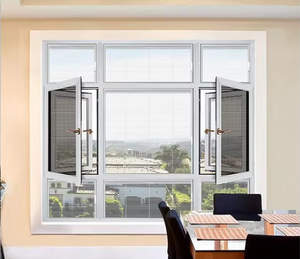
Hurricane Impact Anti-Theft Aluminum Casement Window
- Profile: 6063-T6 Aluminum
- Acoustic Rating: STC 42 dB
- Glazing: Laminated Safety Glass
- Security: Multi-Point Locking
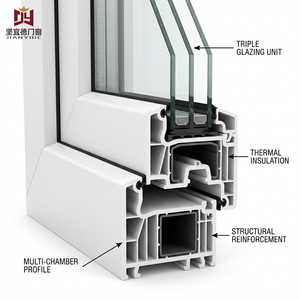
UV-Resistant Multi-Chamber UPVC Vinyl Windows
- U-Factor: 0.18 BTU/h·ft²·°F
- Solar Protection: High UV Stabilized
- Glazing: Triple Pane Low-E
- Seal System: Triple EPDM Gaskets
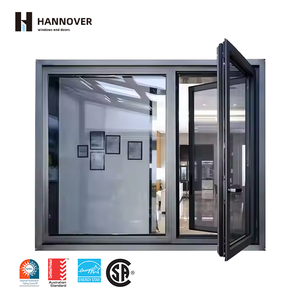
NFRC-Certified Aluminum Tilt & Turn Commercial Systems
- Certification: NFRC / AAMA Rated
- Thermal Break: PA66 Polyamide Bar
- Air Infiltration: <0.1 cfm/ft²
- Operation: Dual Axis European
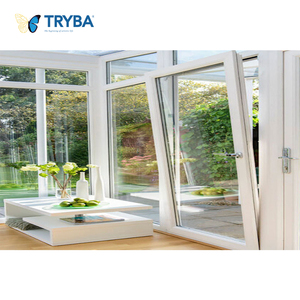
German-Engineered Precision UPVC Tilt & Turn Windows
- Chamber Count: 6-Chamber Profile
- Hardware: ROTO / Siegenia German
- Acoustic Dampening: Up to OITC 36
- Reinforcement: Galvanized Steel Core
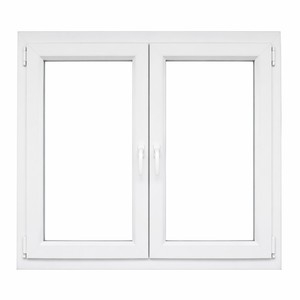
Commercial UPVC Fenestration Packages for Bulk Projects
- Application: Multi-Family & Commercial
- Fire Rating: Class A Non-Combustible
- Durability: Zero Color Fading Guarantee
- Supply Mode: Direct Factory Container Load
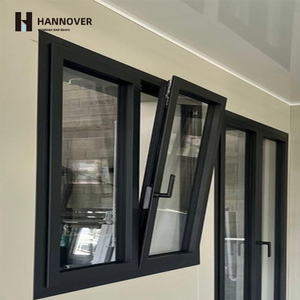
Thermal Break Swing Casement Windows for Luxury Villas
- Frame Depth: 75mm Architectural Series
- Glass Configuration: 6mm+12Ar+6mm Low-E
- Water Resistance: 700 Pa Tested
- Finish: Fluorocarbon PVDF Spraying
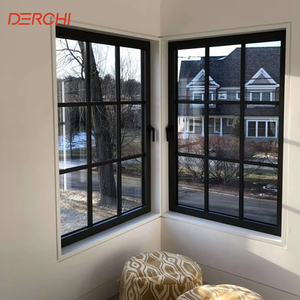
Ultra-Narrow Sightline Architectural Commercial Windows
- Visible Frame: 22mm Slim Profile
- Light Transmittance: > 78% High Transparency
- Glazing Tech: Triple Insulated Argon Fill
- Style: Minimalist European Black
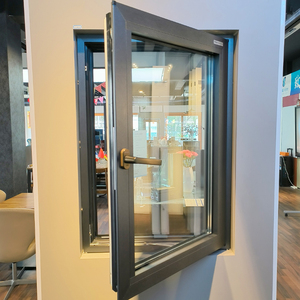
Passive House Ultra-Efficient Thermal Aluminum Windows
- Thermal Rating: U-value ≤ 0.8 W/m²K
- Energy Standard: Energy Star & Passive House
- Structural Resistance: Wind Load Class C5
- Hinges: Concealed Heavy-Duty Stainless
Microclimatic Fenestration Engineering for the Valley of Mexico
Procuring architectural fenestration for Mexico City (CDMX) requires specialized engineering to solve severe structural, thermal, and atmospheric challenges unique to a high-altitude metropolis built on an ancient lakebed system.
High-Altitude Solar Radiation & Thermal Control
At 2,240 meters above sea level, Mexico City experiences up to 25% higher ultraviolet (UV) radiation intensity than coastal cities. Standard single or double-pane clear glass fails rapidly under this solar exposure, causing extreme indoor solar heat gain and color fading of interior finishes.
Our custom fenestration systems feature specialized spectrally-selective Low-E coatings combined with warm-edge spacer technology. By tuning the Solar Heat Gain Coefficient (SHGC) down to 0.22 - 0.28 while maintaining Visible Light Transmittance (VLT) above 65%, our assemblies reflect far-infrared heat without restricting natural daylight, drastically reducing HVAC power demands in high-rise towers in Santa Fe and Reforma.
Seismic Resilience & Soft-Soil Drift Engineering
CDMX is located in a volatile seismic zone dominated by Zone III soft lacustrine clay beds. Structural movements during seismic events subject building envelopes to heavy inter-story drift. Rigid, non-flexible window frames frequently shatter glass or experience structural seal failure during seismic displacement.
We manufacture dynamic curtain wall and window assemblies equipped with structural silicone glazing (SSG), deep pocket glass insertion depths (≥ 20mm), and heavy-duty EPDM gasket systems certified under NTC-Sismo parameters. Our frames absorb frame-to-structure shear strain, preventing perimeter air leakage and protecting structural integrity during building sway.
Acoustic Isolation for Dense Urban Corridors
Acoustic comfort is a major requirement for luxury residential and office spaces in Polanco, Condesa, and Colonia Juárez. Background urban noise levels from traffic on Ring Periférico and Avenida Insurgentes routinely exceed 75-80 dB, requiring high Sound Transmission Class (STC) fenestration ratings.
By employing asymmetrical glass pane configurations (e.g., 8mm exterior toughened glass + 16mm argon gap + 6mm interior laminated PVB glass), our fenestration packages achieve STC ratings up to 45 dB and OITC ratings over 37. This dampens low-frequency traffic rumble and high-frequency urban soundscapes effectively.
Fenestration Technical Performance Benchmarks
A detailed comparison matrix for architects, developers, and general contractors evaluating architectural envelopes for commercial and multi-family projects in Mexico City.
| System Type | Thermal U-Factor (W/m²K) | Acoustic Rating (STC / OITC) | Structural Load (Pa) | Ideal Local Application |
|---|---|---|---|---|
| Thermally Broken Aluminum Casement | 1.2 – 1.6 | STC 38 – 42 | 3500 Pa (Wind Class C4) | High-Rise Residential Towers (Santa Fe, Reforma) |
| 6-Chamber Reinforced UPVC System | 0.8 – 1.2 | STC 40 – 45 | 2800 Pa | Mid-Rise Apartments & Luxury Villas (Lomas, San Ángel) |
| Minimalist Narrow-Frame Sliding Glass | 1.4 – 1.8 | STC 35 – 39 | 3000 Pa | Adaptive Reuse & Patios (Condesa, Roma Norte) |
| Unitized Structural Glazing Curtain Wall | 1.0 – 1.4 | STC 42 – 48 | 4500 Pa (Seismic Dynamic) | Corporate Headquarters & Institutional High-Rises |
Overcoming the Supplier-Installer Gap Since 1999
Most fenestration failures in major construction projects do not stem from material defects, but from systemic disconnects between window factories and local jobsite installation crews. Building envelope leaks, compromised thermal breaks, and structural misalignment frequently occur during field execution.
Our direct factory-to-site engineering program resolves this disconnect through comprehensive quality oversight:
- Pre-Construction Submittals: Full architectural shop drawings, Title 24/NOM thermal calculations, and custom structural attachment details.
- Jobsite Mock-up & Water Testing: On-site assembly of full-scale mock-ups tested to ASTM E1105 standards prior to bulk production shipment.
- Recessed Window Waterproofing: Specialized continuous sill pans, liquid-applied flashing membranes, and dynamic expansion joint solutions.
- Complete Logistics & Customs Management: DDP container shipping directly to job sites in Mexico City with clear USMCA/T-MEC tariff compliance.
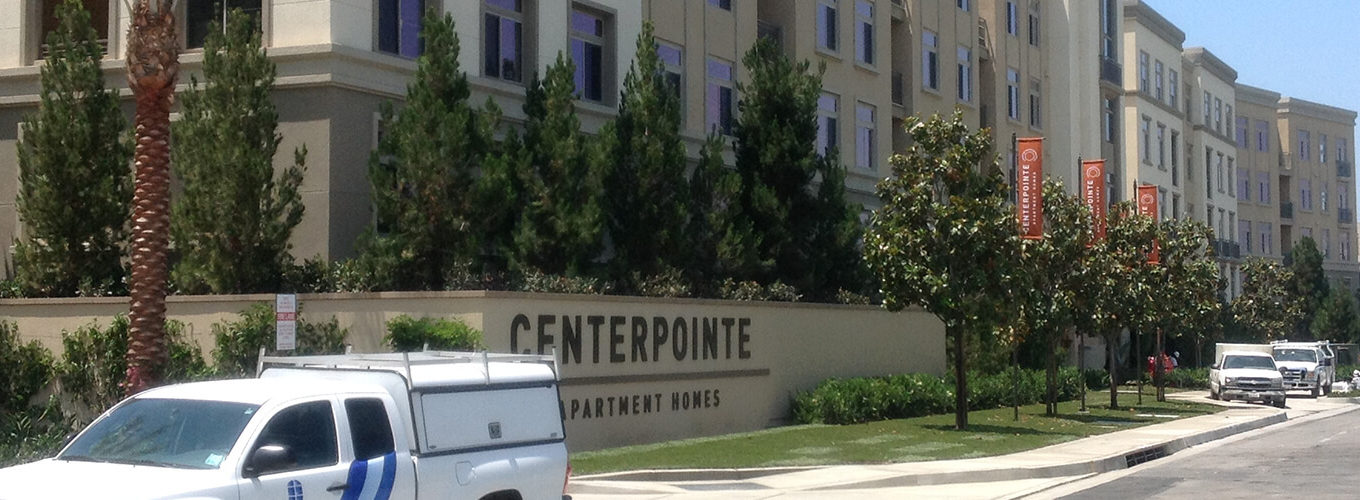
Emerging Architectural Fenestration Trends in CDMX (2025–2030)
Architects and real estate developers in Mexico City are transforming building envelopes to meet ambitious environmental targets and evolving tenant requirements.
LEED & EDGE Sustainability Certification Compliance
With major corporate tenants demanding zero-carbon operations, commercial developers in Mexico City are heavily targeting LEED Gold/Platinum and IFC EDGE certifications. Fenestration accounts for over 40% of a building's thermal envelope performance. Utilizing thermally broken aluminum profiles with low U-factors directly accelerates baseline energy reduction points.
Heritage Retrofits & Adaptive Reuse in Historic Neighborhoods
In historic zones like Roma Norte, Condesa, and Centro Histórico, municipal planning codes strictly regulate exterior visual aesthetics. Developers require narrow-profile aluminum or custom UPVC profiles that replicate historic steel sightlines while incorporating modern double/triple glazed insulated glass units for soundproofing.
Smog & Particulate Pollution Barrier Systems
Seasonal air inversions in the Valley of Mexico cause fine particulate matter (PM2.5) to hover over urban zones. Advanced multi-point compression locking fenestration systems combined with continuous perimeter EPDM weatherstripping prevent dust and air pollution penetration, improving indoor air quality (IAQ).
Fenestration Procurement & Logistics for Mexico City
Essential guidance for developers, architects, and purchasing heads importing architectural window systems into Mexico.
How do your fenestration products comply with Mexican building standards (NOM/NMX)?
Our architectural windows, UPVC profiles, and structural curtain wall systems undergo stringent laboratory testing to ensure full compliance with Mexican standards (NMX-R-060-SCFI for window performance and NMX-J-307 for solar transmittance), as well as international AAMA/NFRC standards. We provide complete engineering calculation packages for municipal building permit approvals in Mexico City.
How do you handle freight, customs duty, and import logistics into Mexico City?
We provide full-service Door-to-Door (DDP) logistics coordination. Under USMCA / T-MEC regulations, qualifying architectural products manufactured with North American regional content receive preferential tariff treatment. Containers are cleared through Manzanillo or Veracruz ports and delivered directly to your jobsite in Mexico City with all pedimento customs documentation fully processed.
Can your factory manufacture custom window sizes and curved architectural glass for boutique developments?
Yes. We specialize in custom architectural profile extrusions, oversized panoramic sliding glass doors (up to 3.5 meters panel height), dynamic angle casements, and curved insulated glass units. Our CNC extrusion lines allow tailored dimensions without high minimum order quantities.
What seismic structural accommodations are built into your window frame attachments?
Our engineering team designs dynamic perimeter attachment anchors, slotted expansion clips, and structural silicone joints specifically for CDMX Zone III seismic conditions. This allows the building structure to deflect during earthquake vibrations without transferring damaging compressive forces to the glass panes.
What glass coatings do you recommend for high altitude solar control in CDMX?
We recommend double or triple Low-E coating configurations on body-tinted or clear extra-clear (low-iron) glass substrates. Adding an argon gas fill in a 16mm warm-edge spacer gap provides optimal performance: blocking up to 80% of solar heat gain while retaining high daylight visibility.
What is the typical lead time from submittal approval to jobsite delivery in Mexico City?
Following final shop drawing sign-off and mock-up approval, standard production timelines range from 4 to 6 weeks. Ocean transport and customs clearance typically require an additional 2 to 3 weeks, bringing the total project delivery timeline to approximately 7 to 9 weeks.
Transform Your Mexico City Building Envelope
Submit your project architectural drawings, window schedules, or performance specifications. Our fenestration engineering team will prepare a detailed cost estimate and structural feasibility analysis within 48 hours.
Inquire Now