

Precision-Engineered Fenestration Products for Philippine Projects
Rigorously tested aluminum and uPVC window systems compliant with international structural codes, tropical thermal performance standards, and stringent water penetration thresholds.
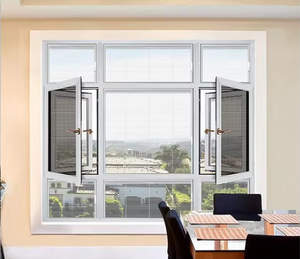
High Quality Modern Large Casement Windows Hurricane Impact Aluminum
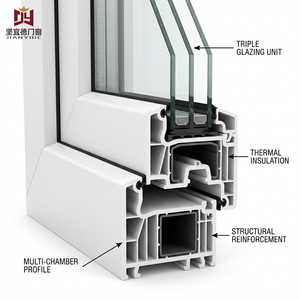
Energy Saving Multi-Chamber UPVC Casement Window UV Resistant
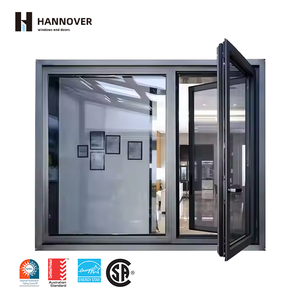
Modern NFRC Aluminum Tilt & Turn Window Double/Triple Glazed
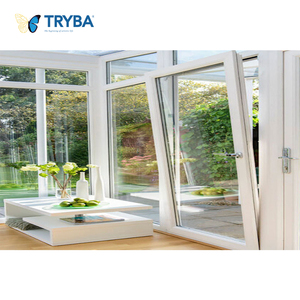
Custom German-Engineering UPVC Tilt And Turn Windows
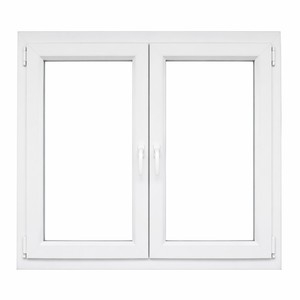
Wholesale UPVC Window Systems for Commercial Construction Projects
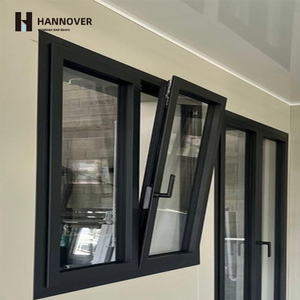
Double Glazed Aluminum Thermal Break Swing Casement Window
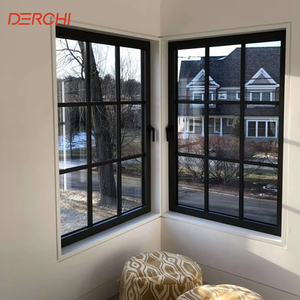
Modern Narrow Frame Commercial Triple Glazed Aluminum Windows
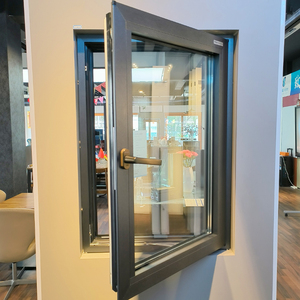
European Style Thermal Break Passive House Aluminum Windows
Structural Engineering & Wind Pressure Resistance (NSCP Compliance)
The Philippine archipelago experiences some of the most intense meteorological phenomena on Earth, positioned directly in the Western Pacific typhoon belt. Buildings constructed across Metro Manila, Metro Cebu, Cagayan de Oro, and coastal resort destinations must adhere strictly to the National Structural Code of the Philippines (NSCP 2015 / 2022). Standard fenestration products engineered for mild climates often fail under the extreme dynamic wind pressures generated by Category 5 super typhoons.
As leading direct-factory manufacturers serving the Philippine market, our engineering teams utilize high-tensile 6063-T5 and 6063-T6 aluminum alloys alongside high-impact rigid uPVC matrixes. Every profile wall thickness is calculated using Finite Element Analysis (FEA) to ensure moment of inertia (I-value) and section modulus (Z-value) criteria exceed site-specific design wind pressures ranging from 3.0 kPa to 6.5 kPa (equivalent to wind gusts surpassing 280–300 km/h).
Additionally, our commercial curtain wall and high-rise casement assemblies incorporate stainless steel heavy-duty friction hinges, multi-point lock shoot-bolts, and reinforced structural steel stiffeners inserted into mullions. This guarantees zero frame deflection beyond the permissible L/175 or L/240 spans, preventing glass popping, seal rupture, or catastrophic structural detachment during peak typhoon events.
Monsoon Water-Tightness Protocols
Combining dual and triple EPDM perimeter compression gaskets with cascading internal drainage tracks. Our window assemblies are subjected to continuous dynamic water testing up to 700 Pa pressure, preventing water infiltration during driven monsoonal rains (Habagat).
Solar Thermal Control (SHGC & Low-E)
Tropical climates require minimizing Solar Heat Gain Coefficient (SHGC). We utilize high-performance double and triple glazing infused with Spectrally Selective Low-E coatings, blocking up to 78% of solar infrared heat while maintaining high visible light transmittance (VLT).
Coastal Salt-Spray Corrosion Shield
Island environments suffer from aggressive atmospheric salt spray. Our aluminum fenestration profiles receive PVDF (Fluorocarbon) electrostatically sprayed finishes or Qualicoat Class 2 powder coatings, passing 3,000-hour salt spray corrosion tests (ASTM B117).
Material Matrix Analysis: Thermal Break Aluminum vs. Multi-Chamber uPVC
Selecting the appropriate fenestration material for multi-family high-rises, commercial developments, or high-end residential estates in the Philippines requires balancing structural rigidity, thermal performance, acoustic isolation, and lifecycle maintenance costs.
1. Thermal Break Aluminum Systems: Uninsulated aluminum conducts heat rapidly, raising indoor ambient temperatures and forcing HVAC air-conditioning systems to consume excess electricity. Our advanced thermal break aluminum profiles integrate a 24mm to 34mm Polyamide (PA66 GF25) reinforced thermal barrier strip between the exterior and interior aluminum extrusions. This breaks the heat bridge, drastically lowering frame U-values. Combined with narrow sightlines, thermal break aluminum supports massive floor-to-ceiling glass spans without compromising structural strength.
2. Tropical-Grade Multi-Chamber uPVC Systems: High-grade Unplasticized Polyvinyl Chloride (uPVC) is an inherently non-conductive material, making it an exceptional thermal insulator. However, cheap uPVC profiles degrade under intense tropical ultraviolet radiation, leading to chalking, brittle structural failure, and yellowing. Our factories utilize special titanium dioxide (TiO2) stabilization additives and UV-absorbers specifically engineered for high-UV Equatorial environments (Zone 4 radiation). Multi-chamber internal profiles trap still air pockets, providing outstanding thermal resistance (U-values below 1.3 W/m²K) and sound reduction indexes up to 45 dB—ideal for urban projects adjacent to high-noise arterial corridors like EDSA or C-5 in Metro Manila.
Local Market Trends & Architectural Dynamics in the Philippines
The Philippine real estate and construction sectors are undergoing a transformation driven by rapid urbanization, foreign direct investment, and a growing emphasis on environmental sustainability. Architects, master planners, and real estate developers across Taguig (BGC), Makati, Cebu IT Park, and New Clark City are setting new standards for façade integration:
• Adoption of Green Building Frameworks (BERDE, EDGE & LEED): The Philippine Green Building Council's BERDE (Building for Ecologically Responsive Design Excellence) certification and IFC's EDGE standard now govern tier-1 commercial office towers and luxury residential condominiums. High-performance fenestration systems boasting low U-factors and optimized SHGC values play a primary role in securing energy performance credits by lowering building Energy Use Intensity (EUI).
• Minimalist Frame Aesthetics with Maximum Daylight Autonomy: Contemporary Philippine residential and resort design favors seamless visual continuity between indoor living areas and outdoor tropical landscapes. Narrow-frame casement windows and multi-panel lift-and-slide doors with concealed hinges and ultra-slim interlocking stiles (as thin as 20mm) allow architects to maximize natural daylit space while maintaining typhoon-grade weather tightness.
• Acoustic Comfort in High-Density Urban Hubs: Urban noise pollution in Metro Manila and Metro Cebu has elevated sound isolation to a primary buyer requirement. Double-sealed, multi-chambered window systems incorporating asymmetric laminated double glazing (e.g., 6mm Low-E + 12Argon + 4mm + 0.76PVB + 4mm) effectively reduce outdoor noise by 38–42 dB, providing peaceful indoor environments for mixed-use developments.
End-to-End Factory Control: From Architectural Submittals to Jobsite Delivery
For international procurement managers, general contractors, and developers, the primary vulnerability in importing fenestration packages lies in the disconnect between product design, manufacturing tolerances, and jobsite assembly execution.
Our factory operations eliminate this risk through a rigorous four-phase quality assurance workflow:
1. Pre-Construction Engineering & Submittals: Our in-house technical team produces complete architectural submittal packages, CAD shop drawings, glass stress analysis calculations, and energy compliance documentation tailored to the specific wind-zone and thermal requirements of your Philippine jobsite.
2. Jobsite Mock-Up Verification & Water Testing: Prior to full-scale mass production, we construct physical unitized mock-ups for laboratory structural wind load and water penetration testing. We invite project consultants and third-party inspection agencies to verify performance compliance beforehand.
3. Precision Factory Fabrication: Operating automated CNC extrusion machining centers and robotic corner crimping/welding lines, we maintain manufacturing tolerances within ±0.5mm. Every unit undergoes strict glass unit seal testing, hardware cycling checks, and perimeter gasket adhesion audits before protective export packaging.
4. Sequenced Logistics & Installation Support: Windows and doors are custom-crated, labeled floor-by-floor, and container-loaded to align with your jobsite construction schedule at Manila (MICP/South Harbor), Cebu, or Batangas ports. Detailed shop installation manuals, flashing details, and field supervisory technical support ensure leak-free execution on site.
Frequently Asked Questions for Philippine Procurement & Engineering Teams
Ready to Spec High-Performance Fenestration for Your Philippine Project?
Submit your architectural drawings, window schedules, or tender documents today. Our senior fenestration engineering team will deliver a comprehensive engineering evaluation, structural calculation review, and competitive direct-factory cost estimation within 48 hours.
Send an Inquiry