

Architectural Glazing Systems for Commercial & Heritage Projects
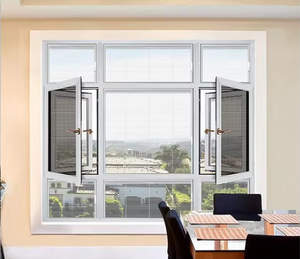
EI 120 Modern Heavy-Duty Fire-Proof Casement & Curtain Wall Window
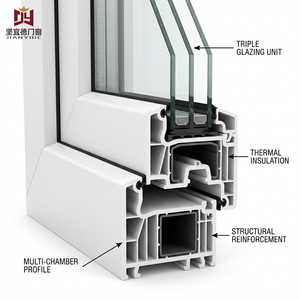
EW 60 Energy-Saving Multi-Chamber Thermally Broken Fire-Resistant Window
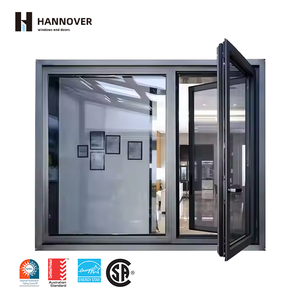
Modern EN Standard Commercial Double/Triple Glazed Tilt & Turn Fire Window
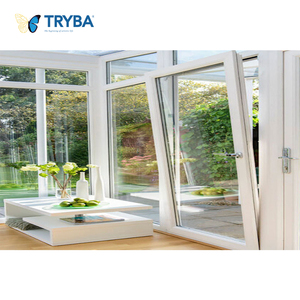
High-Performance German Engineering Fire-Rated Tilt & Turn Glass System
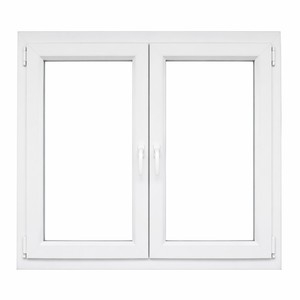
Architectural Bulk Fire-Rated Glazing for Commercial & Public Buildings
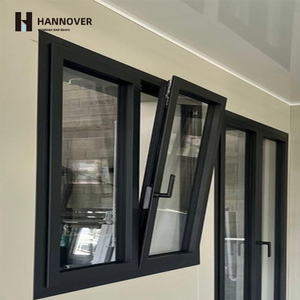
Thermal Break Double Glazed Aluminum Alloy Swing Fire-Resistant Casement Window
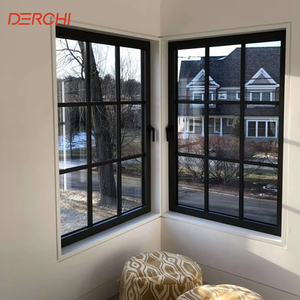
Narrow Frame European Style Triple Glazed Fire-Rated Commercial Window
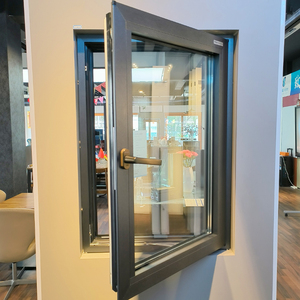
Passive House Thermal Break Aluminum Triple Glazed Fire-Rated Windows
Engineering Safe, Code-Compliant Fire-Rated Glazing for Île-de-France Construction
As urban density intensifies across Paris and the wider Île-de-France region, modern architectural design demands an intricate balance between daylighting, acoustic attenuation, energy conservation, and strict structural safety compliance. Fire-rated glass is no longer a passive building element; it is an active life-safety system designed to prevent the catastrophic spread of flames, smoke, and conductive heat during critical emergency windows.
Operating as an elite manufacturing partner and global direct supplier, our factory delivers fully certified fire-rated glazing systems tailored precisely for Parisian architectural specifications. Whether Retrofitting Haussmannian facades under Architecte des Bâtiments de France (ABF) oversight, constructing complex commercial hubs in La Défense, or installing fire barriers along the Grand Paris Express transit network, our fenestration solutions bridge the gap between rigorous European standards (EN 13501-2, EN 1634-1, EN 12600) and high-end aesthetic execution.
Why Leading General Contractors & Architects Partner With Us
In high-stakes commercial construction, the most frequent point of failure in fire-resistant fenestration occurs in the division between the manufacturer, the submittal engineer, and the installing team. We eliminate this fragmentation by controlling every stage from raw glass synthesis to jobsite validation.
Pre-Construction Planning & Architectural Submittals
Our in-house engineering team conducts detailed blueprint reviews, opening take-offs, thermal stress calculations, and code cross-checks against French national building regulations. We provide certified shop drawings and architectural submittal packages for smooth approvals.
Jobsite Mock-Ups & Third-Party Testing Coordination
Prior to full-scale manufacturing, we assemble jobsite mock-ups to undergo rigorous pressure, air infiltration, water tightness, and fire endurance checks. We coordinate directly with testing agencies (such as Efectis and CSTB) to guarantee zero field rework.
Recessed Opening & Weatherization Expertise
Recessed fire-rated window openings represent one of the most demanding waterproofing and intumescent sealing conditions in modern construction. We supply engineered flashing sequences and intumescent perimeter seals that maintain barrier integrity during fire exposure.
Custom Fabrication & Hybrid Profiles
From ultra-slim thermally broken steel profiles to multi-chamber UPVC and high-strength extruded aluminum, our factory custom-engineers glass unit thickness, intumescent gel layers, and low-E coatings to meet both structural and energy efficiency standards.
Direct-to-Paris Logistics & Just-In-Time Sequencing
Navigating tight Parisian jobsite logistics requires immaculate delivery synchronization. We package, crate, and ship custom glazing assemblies floor-by-floor, reducing site congestion and preventing glass breakage during crane hoisting.
Post-Installation Warranty & Long-Term Field Support
Our commitment extends well past turnover. We back all fire glass assemblies with comprehensive multi-year warranties against interlayer clouding, seal failure, or thermal delamination, ensuring enduring peace of mind for building owners.
Understanding European Fire Resistance Classifications: E, EW, and EI
Specifying fire-rated glass in France requires a deep understanding of European standard EN 13501-2, which categorizes fire performance into three distinct functional tiers. Selecting the incorrect rating can lead to tragic safety failures or automatic rejection by local fire safety inspectors (Commission de Sécurité).
| Classification | Primary Protection Mechanism | Radiant Heat Control | Thermal Insulation (Heat Transfer) | Typical Paris Application Areas |
|---|---|---|---|---|
| Class E (Integrity) | Prevents physical passage of flames, hot gases, and smoke. | No radiation reduction; heat passes through glass freely. | None (Temperature on non-fire side rises rapidly). | External windows with low risk of fire spread; unrated light shafts. |
| Class EW (Integrity & Radiation) | Prevents flames/smoke while reducing radiant heat transmission below 15 kW/m². | Limits heat radiation to safeguard escaping building occupants. | Partial thermal reduction; keeps escape corridors usable. | Courtyard windows, urban property lines within 2–5 meters of adjacent buildings. |
| Class EI (Integrity & Insulation) | Complete barrier to flames, smoke, and conductive heat transfer. | Total radiant thermal block; non-fire surface stays touchable (<140°C rise). | Full thermal insulation via expanding intumescent gel interlayers. | Fire exit stairwells, IGH high-rise partitions, hospital escape zones, ERP lobbies. |
The Chemistry of Intumescent Gel Technology: Our EI-rated fire-resistant glass units utilize multi-laminated float glass sheets bonded together by clear, transparent intumescent gel layers. Under normal operational conditions, the gel provides clear visibility and optimal light transmission (>82%). However, when exposed to radiant heat reaching approximately 120°C during a fire event, the gel undergoes an endothermic chemical reaction, expanding into a dense, opaque foam board. This foam absorbs heat energy, blocks thermal radiation, and creates an opaque heat shield capable of enduring temperatures exceeding 1,000°C for up to 120 minutes (EI 120).
Localized Application Scenarios Across Paris & Île-de-France
Paris presents a unique architectural matrix where 19th-century historic masonry meets cutting-edge subterranean infrastructure and sleek modern commercial districts. Our factory engineers tailor-made fire-rated fenestration packages to satisfy the distinct regulatory demanding environments across the capital.
1. Haussmannian Residential Retrofits & ABF Compliance
Over 60% of central Paris buildings feature historic Haussmannian stone facades regulated strictly by the Architecte des Bâtiments de France (ABF). Replacing non-compliant historic timber frame windows with modern fire barriers requires precise profile matching. We produce ultra-narrow sightline aluminum and steel fire-rated windows with custom molded muntin bars, authentic color matching (such as Paris Bronze and Dark Zinc Grey), and heritage profile contours that satisfy ABF criteria while providing full EI 30 / EI 60 fire containment.
2. Public Access Buildings (ERP - Établissements Recevant du Public)
Under French regulations, commercial facilities, museums, shopping centers, hotels, and educational institutions are designated as ERPs and subject to stringent fire codes (Règlement de Sécurité contre l'Incendie dans les ERP). Internal atrium glazing, lobby separation walls, and storefront displays require certified EI 60 or EI 90 glass barriers to ensure occupant evacuation routes remain free of toxic smoke and radiant heat.
3. High-Rise Commercial Towers (IGH - Immeubles de Grande Hauteur)
In high-rise districts like La Défense, Front de Seine, and Tour Triangle, fire safety compliance for IGH structures mandates robust perimeter fire stopping to avoid vertical fire leapfrogging between floors. Our heavy-duty EI 120 double-glazed curtain wall systems integrate thermal break profiles, high-wind load capacity, and fire-resistant spandrel glazing engineered for high-altitude wind pressure and thermal expansion stresses.
Paris Market Trends & Evolving Building Codes (RE2020 & Grand Paris)
The construction landscape in Greater Paris is undergoing a transformative shift driven by environmental mandates and vast infrastructural expansions. Fire glazing specifications must now satisfy dual criteria: uncompromising life-safety performance and aggressive thermal efficiency targets.
1. Integration of RE2020 Environmental Standards with Fire Safety
France’s RE2020 environmental regulation prioritizes low embodied carbon, bio-sourced materials, and exceptional operational energy efficiency. Historically, fire-rated glass units were thick and heavy, contributing negatively to thermal performance metrics. Our factory has pioneered multi-cavity fire units combining low-emissivity (Low-E) soft coatings, argon gas filling, and lightweight intumescent core formulas. This yields low U-values (down to 0.6 W/m²K in triple-glazed configurations) without sacrificing EI 60 or EI 120 protection ratings, aligning perfectly with RE2020 carbon reduction goals.
2. Grand Paris Express Infrastructure & Underground Safety
The development of 200 kilometers of new automated metro lines and 68 new stations under the Grand Paris Express project has created unprecedented demand for specialized structural glass in underground environments. Underground transport hubs require blast-resistant, seismic-resilient, and high-impact fire glass barriers (EN 12600 Class 1B1) capable of withstanding intense air piston pressures generated by high-speed trains while providing clear directional sightlines for passengers during emergency evacuations.
3. Urban Infill & Property Line Fire Boundaries
Due to space scarcity in central Paris, new residential and mixed-use developments are frequently built within 1.5 to 3 meters of adjacent property boundaries. French municipal planning laws require exterior fenestration facing neighboring structures within specific distance thresholds to incorporate EW 30 or EW 60 fire-rated glass. This prevents building-to-building flame radiation transfer across narrow courtyard light wells (cours intérieures).
Frequently Asked Questions by Paris Procurement Teams
Our complete product range undergoes rigorous physical furnace testing in accordance with EN 1363-1 and EN 1634-1 at accredited European testing laboratories (including Efectis and CSTB-aligned facilities). We issue full technical approval dossiers, manufacturer certificate documentation, and CE markings necessary for sign-off by French fire safety controllers (Bureaux de Contrôle like Socotec, Apave, or Veritas).
Standard custom fabrication orders typically ship within 3 to 4 weeks. For urgent structural replacements or tight construction scheduling in the Île-de-France area, we offer accelerated manufacturing protocols with direct air or sea-express container freight, complete with localized customs clearance handling.
Yes. Fire-rated glass must always be installed as part of a fully tested and certified profile system. We manufacture complete fenestration packages featuring thermally broken aluminum frames, fire-resistant steel profiles, or hybrid wood-aluminum cladding systems equipped with intumescent perimeter seals that expand to close frame gaps during fire events.
EW 60 glass maintains structural integrity against flames and smoke while restricting radiant heat to under 15 kW/m² for 60 minutes. EI 60 glass provides both total flame integrity and full thermal insulation; the unexposed surface will not exceed an average temperature rise of 140°C above ambient for 60 minutes. EI 60 is mandatory in high-risk escape routes, IGH high-rises, and ERP stairwells.
Absolutely. Urban noise pollution is a major priority in Parisian construction. Our multi-layer laminated intumescent glass units natively deliver outstanding sound reduction indexes (Rw ratings from 40 dB to 48 dB), insulating interior occupants against heavy street traffic and metro vibration while maintaining full fire protection.
Following the proven pre-construction methodology established through decades of high-end fenestration supply, we build physical mock-ups, perform water tightness and pressure simulations, and deliver documented installation guidelines to ensure that field installers execute flawless fire stopping details on every opening.
Partner with a World-Class Fire-Rated Glass Manufacturer
Whether you are developing a modern commercial tower in La Défense, renovating an ERP public institution, or engineering historic retrofits under ABF supervision in central Paris, our technical team is ready to evaluate your architectural submittals and provide competitive direct-factory quotes.
Contact Us