

Engineering High-Performance Fenestration for Northern Germany's Built Environment
As the major maritime hub and commercial epicenter of Northern Germany, Hamburg demands rigorous architectural standards for exterior glass door assemblies, sliding patio units, and structural facade openings. Facing intense wind loads from the North Sea and Elbe river corridors, alongside strict European energy efficiency mandates (Gebäudeenergiegesetz - GEG 2024), real estate developers, general contractors, and architects require high-precision manufacturing partners. This engineering guide outlines key manufacturing standards, thermal acoustic benchmarks, and direct-factory sourcing solutions tailored to the Hamburg development landscape.
Export-Grade Architectural Glass Door & Window Systems
Fully compliant with DIN EN 12150 (Tempered Glass), DIN EN 1279 (Insulating Glass Units), and NFRC energy ratings for commercial and multi-family residential developments.
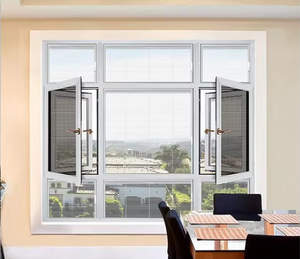
Modern Design Large Casement & Anti-Theft Aluminum Glass Doors
- Profile: 75mm Thermal Break Aluminum
- Security: Multi-Point Locking (RC2/RC3 Rated)
- Acoustics: Sound Insulation up to Rw 42 dB
- Glazing: Laminated Impact Tempered Safety Glass
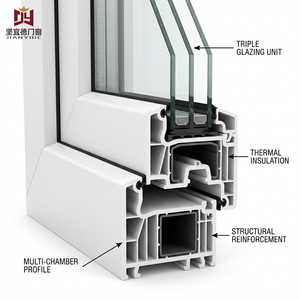
Multi-Chamber Energy Saving UPVC Glass Patio Doors
- Chambers: 6-Chamber High-Density Vinyl System
- Glazing: Triple Glazed Low-E (Ug = 0.6 W/m²K)
- UV Resistance: Class S Tropicalized UV Coating
- Sealing: Triple EPDM Weather Gaskets
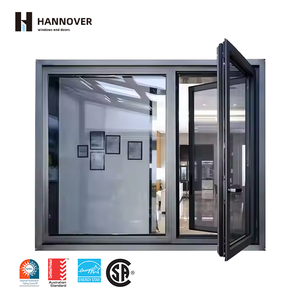
NFRC Certified Aluminum Tilt & Turn Architectural Doors
- Certification: NFRC / CE Marked / ISO 9001
- Thermal Break: Polyamide PA66 Technoform Strips
- Versatility: Dual-Function Tilt & Turn Operation
- Application: Luxury Villas & Commercial Podiums
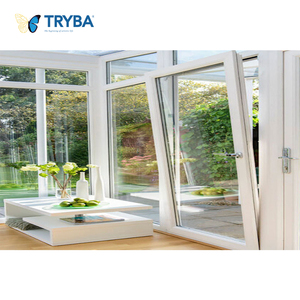
German Standard UPVC Heavy-Duty Glass Door Assemblies
- Hardware: Roto Frank / Siegenia German Hardware
- Water Tightness: Class E1050 (DIN EN 12208)
- Reinforcement: Galvanized Steel Core Support
- Design: Flush & Recessed Opening Profiles
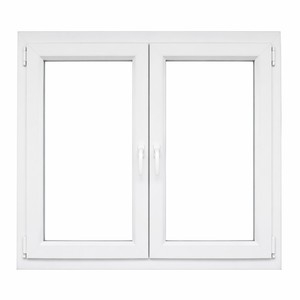
Commercial Project Bulk UPVC & Glass Entrance Systems
- Target Scope: Multi-Family & High-Rise Construction
- Wind Resistance: Class C5 (DIN EN 12210)
- Customization: Co-Extruded Color Foil Finishes
- Logistics: Containerized Direct-to-Site Delivery
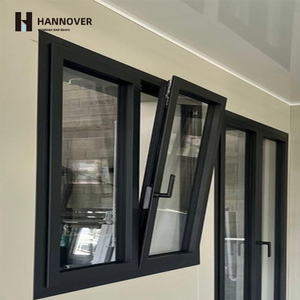
Thermal Break Aluminum Alloy Swing & French Glass Doors
- Thermal Performance: Uw Value = 1.1 W/m²K
- Glazing Fill: Argon Gas 90% Filled Cavity
- Finish: Qualicoat Powder Coating / Anodized
- Threshold: Barrier-Free Low-Profile ADA Sill
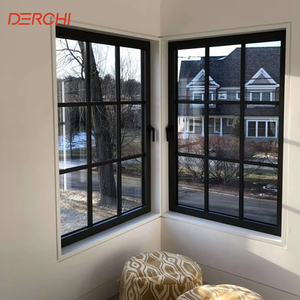
Narrow Frame Minimalist Triple-Glazed Glass Sliding Doors
- Sightline: Ultra-Slim 20mm Visible Interlock
- Panels: Up to 3.5 Meters Height Capacity
- Glazing: 48mm Triple Toughened Low-E Glass
- Operation: Soft-Closing Lift & Slide Mechanism
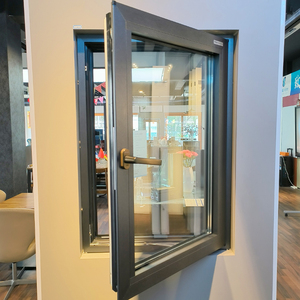
Passive House Standard Thermal Aluminum Door Systems
- Efficiency: Certified Uw ≤ 0.78 W/m²K
- Insulation: Aerogel Filled Thermal Cavities
- Airtightness: Class 4 (DIN EN 12207)
- Durability: Anti-Corrosion Marine-Grade Coating
Hamburg Building Code Compliance Benchmarks
Direct comparative breakdown of our exporter glass door systems against German national building regulations (GEG 2024 and DIN Standards).
| Performance Criteria | GEG 2024 Regulatory Baseline | Our Architectural Glass Door Series | Testing & Certification Standard |
|---|---|---|---|
| Overall Thermal Transmittance (Uw) | ≤ 1.30 W/(m²K) | 0.78 - 1.10 W/(m²K) (Exceeds GEG) | DIN EN ISO 10077-1 / EN 12412-2 |
| Air Infiltration Rating | Class 3 Minimum | Class 4 (Permeability < 0.25 m³/h.m) | DIN EN 12207 |
| Watertightness Under Driving Rain | Class 7A (300 Pa) | Class E1050 / E1200 (1050+ Pa) | DIN EN 12208 / ASTM E1105 |
| Structural Wind Load Resistance | Class C3 (1200 Pa) | Class C5 / P3 = 2000 Pa | DIN EN 12210 |
| Acoustic Sound Insulation (Rw) | 32 - 38 dB (Urban zones) | 38 - 48 dB (Acoustic Laminated) | DIN EN ISO 10140-2 |
| RC1 N / RC2 Required | RC2 / RC3 Certified (WK3) | DIN EN 1627 - 1630 |
Target Application Scenarios Across Hamburg Districts
Custom engineered glass door units designed to address micro-climatic and architectural requirements across Hamburg's diverse real estate sectors.
Waterfront Developments (HafenCity & Baakenhafen)
Projects along the Elbe River face heavy moisture, salt air, and aggressive coastal wind loads. Our systems utilize 6063-T6 marine-grade anodized aluminum profiles, stainless steel grade 316 hardware, and dynamic silicone structural glazing to resist salt fog degradation and pressure fluctuations up to 2000 Pa.
High-Density Urban Living (Altona & Eimsbüttel)
Urban infill residential projects and modern block conversions demand exceptional acoustic dampening due to nearby commuter rail lines (S-Bahn/U-Bahn) and traffic corridors. We supply heavy asymmetrical double/triple acoustic laminated glass units achieving up to Rw 48 dB sound reduction ratings.
Commercial Logistics & Mixed-Use (Hamburg Port Hinterland)
Distribution centers, corporate headquarters, and retail podiums near the Wilhelmsburg and Harburg logistics belts require massive span glass entrances with barrier-free ADA compliant low-threshold entries, automatic sliding operator integration, and toughened safety glass meeting DIN EN 18008 specifications.
Luxury Villas & Restorations (Blankenese & Harvestehude)
Exclusive residential villas along the Elbchaussee require ultra-narrow sightline lift-and-slide glass doors that offer unobstructed views of the river while maintaining Passive House thermal insulation levels (Uw ≤ 0.78 W/m²K) and multi-point burglar resistance (RC3).
Key Regulatory Trends Shaping Hamburg's Fenestration Sector
The Hamburg Senate's climate plan (Hamburger Klimaschutzgesetz) coupled with updated national construction regulations has shifted procurement preferences significantly toward high-efficiency, sustainable building envelopes. B2B buyers must navigate three core operational trends:
1. Strict Embodied Carbon & Circularity Mandates
Developers seeking DGNB (German Sustainable Building Council) or LEED certifications require environmental product declarations (EPDs) for aluminum and glass. Direct-factory sourcing ensures certified recycled content alloys (hydro-powered aluminum extrusion) and localized EPD documentation for smooth permitting.
2. Transition to Quadruple & Vacuum Glazing
With winter ambient temperatures in Northern Germany dropping and heating costs rising, specifications are shifting from basic double pane to advanced argon-filled triple and vacuum insulated glass (VIG) units, reducing center-of-glass U-values to as low as 0.4 W/m²K.
3. Recessed Opening Waterproofing (DIN 18533)
Recessed window and door reveals—common in modern Hamburg brick-cladding facades (Klinkerfassade)—are highly vulnerable to water ingress. Factory custom sub-sill pan flashing and integrated outer seal membranes are mandatory to pass on-site water infiltration testing.
Why Top Global Contractors Partner With Our Supply & Manufacturing Network
Eliminating the friction between offshore factory production and local field installation.
Established Manufacturing & Contracting Excellence
Founded in 1999, our enterprise network brings over two decades of dedicated fenestration manufacturing and field service experience. Trusted by 7 of the Top 10 general contractors globally, we operate as a single accountable partner managing design submittals, extrusion, glazing, structural assembly, and export container sequencing.
75%+ Repeat Customer Loyalty Rate
Over three-quarters of our annual production capacity is committed to repeat commercial real estate developers and general contractors. Our operational philosophy centers on total accountability from shop drawing verification to post-occupancy technical warranty support.
Rigorous Pre-Installation Mock-Ups & Water Testing
Before mass production begins, we coordinate project-specific mock-up assemblies for third-party lab verification. Our glass doors undergo rigorous water penetration testing (up to 1050 Pa static pressure), air infiltration checks, and structural load deflection testing under ASTM and DIN EN standards.
Specialized Recessed Opening Waterproofing Systems
Recessed openings are recognized as the most demanding waterproofing detail in facade construction. We manufacture engineered multi-stage flashing sequences, continuous liquid-applied membrane interfaces, and thermal-break sill extensions designed specifically to prevent air leakage and moisture entry.
Frequently Asked Questions for Hamburg Buyers
Key logistics, engineering, and compliance answers for sourcing direct-factory glass doors into Germany.
Start Your Hamburg Project Tender Consultation
Send your architectural elevation drawings, schedule of openings, or technical specification requirements to our engineering team for a comprehensive factory quote and technical submittal analysis.
Get a Quote