

Export-Grade Fenestration & Louvre Systems
Selected High-Performance Window Systems Precision-Engineered for Costa Rican Architectural Projects
1. The Architectural Landscape & Microclimates of Costa Rica
Exporting high-performance fenestration and louvre windows to Costa Rica requires a deep engineering understanding of the country's severe microclimatic variations. From the hyper-saline, high-UV coastal corridors of Guanacaste and Puntarenas to the moisture-laden cloud forests of Monteverde and the high-rainfall tropical zones of Limón, architectural envelopes must perform under extreme environmental stress.
Louvre windows serve as a cornerstone of tropical passive design across Central America. Unlike standard horizontal sliding or fixed windows, operable louvered systems yield a 100% free vent area when fully open. This allows continuous cross-ventilation, driving down interior relative humidity, preventing mold formation, and drastically reducing air conditioning loads in eco-resorts and luxury developments.
Engineering Features for Tropical Performance
How Global Manufacturing Standards Address Costa Rica's Harshest Construction Challenges
C5-M Marine Anodizing
Architectural aluminum alloys treated with AAMA 2605 fluoropolymer coatings or 25-micron anodizing to resist salt-fog oxidation along Pacific and Caribbean coastlines.
Water-Tight Seal Tech
Double-step EPDM compression gaskets combined with continuous internal sill drainage channels to withstand torrential tropical downpours exceeding 300 Pa pressure.
Structural Wind Loading
High design pressure (DP60+) engineered frames designed to withstand intense seasonal Papagayo wind gusts without structural deflection or glass blade rattle.
Full-Lifecycle Manufacturing & Quality Submittals
As experienced louver window exporters serving general contractors, architects, and real estate developers in Costa Rica, we bridge the common operational gap between overseas manufacturing and jobsite execution. Borrowing from top US commercial contractor standards (such as Walker Windows' proven submittal methodology), every export package follows rigorous engineering verification.
We do not merely supply windows; we partner throughout the structural detailing phase to prevent flashing failures, water intrusion, and code compliance bottlenecks.
- Project-specific shop drawings and BIM CAD submittals
- Pre-shipment jobsite mock-ups & rain chamber water testing
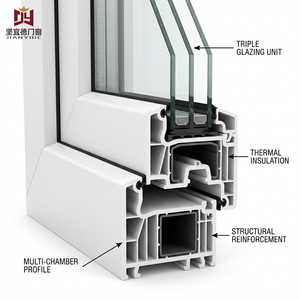
- Thermal Break & Acoustic performance verification (NFRC/AAMA)
- Corrosion-resistant 316 stainless steel friction stays & louver clips
- Customized timber-look powder coat finishes for eco-luxury aesthetics
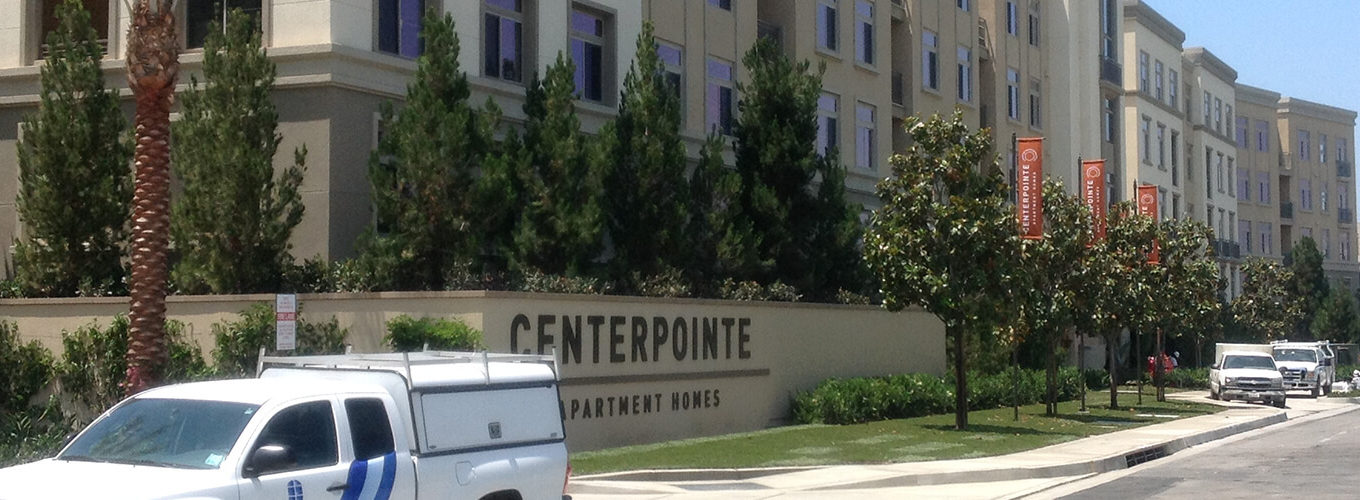
2. Localized Application Scenarios in Costa Rican Architecture
A. Luxury Eco-Resorts & Rainforest Villas (Nosara, Manuel Antonio, Papagayo):
In luxury biophilic architecture, louvre windows are deployed with glass blades (low-iron glass, frosted privacy glass, or solar tinted low-E glass) or motorized extruded aluminum blades. By angling louver blades up to 85 degrees, architects achieve complete privacy while inviting continuous mountain breezes. When integrated with timber structural framing, louvered glass systems connect indoor luxury living directly with Costa Rica's lush tropical ecosystem.
B. Urban High-Density & Mixed-Use Developments (San José, Heredia, Alajuela):
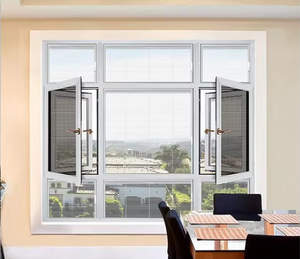
In Central Valley urban centers, thermal comfort is dictating window specifications. Thermally broken aluminum casement systems combined with high-performance louver transoms allow night-flush cooling. This strategy lowers structural concrete temperatures overnight, significantly cutting daily HVAC energy consumption and helping developers fulfill RESET™ green building standards.
C. Coastal Multi-Family & Hospitality Projects (Jacó, Tamarindo, Puerto Viejo):
Coastal environments present the dual challenge of severe salt-spray corrosion and sudden tropical storm fronts. Our exported fenestration systems utilize reinforced aluminum alloy profiles (6063-T6) treated with anodized marine coatings. Stainless steel 316 louver gallery clips ensure louver blades remain firmly anchored, preventing corrosion-induced mechanical failure common with lower-tier hardware.
Localized Market Trends in Costa Rica
Key Architectural and Procurement Dynamics Shaping Modern Project Specifications
Passive Cooling First
Escalating electricity tariffs in Costa Rica have led developers to prioritize zero-energy natural ventilation through engineered louver blade configurations over pure AC dependency.
Decarbonization & Certification
Costa Rica’s National Decarbonization Plan favors building materials with verified thermal performance, environmental product declarations (EPDs), and recyclable aluminum content.
Motorized Smart Integration
Modern luxury villas in Papagayo increasingly request automated louver actuators connected to smart home rain sensors, closing automatically during sudden tropical downpours.
Why Partner With Our Export Factory?
Institutional Quality, Engineering Rigor, and End-to-End Export Support
Rigorous Submittals
Complete architectural drawing support, wind-load calculations, and custom flashing details tailored for tropical weatherboarding and masonry openings.
Mock-Up Verification
Pre-production physical mock-up testing in chamber facilities to prove water tightness, air infiltration resistance, and structural integrity prior to batch shipping.
Export Packaging
Heavy-duty ocean crate packaging with desiccant protection and fumigated wood framing, ensuring zero sea-freight corrosion or transit glass breakage.
Frequently Asked Questions by Costa Rican Importers
Addressing Common Technical, Customs, and Structural Procurement Inquiries
What finishes offer the best corrosion resistance near Costa Rican beaches?
For coastal projects within 5 km of the ocean (e.g., Jacó, Tamarindo, Papagayo), we strictly recommend AAMA 2605 PVDF fluoropolymer coating or 25-micron anodized finish. These coatings prevent pitting corrosion and salt-spray degradation, backed by long-term marine warranties.
How do louver windows perform against torrential tropical rains?
Our engineered louver window systems feature overlap blade geometry, continuous EPDM weather strips, and internal drainage sills. When closed, they achieve high water tightness ratings tested up to 300–450 Pa water pressure, effectively stopping wind-driven rain infiltration.
What are the logistics and import duty procedures for shipping to Costa Rica?
We export directly via ocean freight to Port of Caldera (Pacific) or Port of Limón (Caribbean). Windows fall under HS Code 7610.10 (Aluminum doors and windows). We provide full documentation packages including Commercial Invoice, Packing List, Certificate of Origin, and Bill of Lading to simplify customs clearance.
Can you customize louver blade materials and dimensions for luxury projects?
Yes. We offer toughened glass blades (6mm to 10mm clear, tinted, or frosted), extruded aluminum louvers, and tropical hardwood louver options. All frame dimensions and blade galleries are custom-manufactured to match your exact structural masonry or timber opening schedule.
Are motorized or automated louver systems available for elevated openings?
Absolute precision motorized actuators (24V DC / 230V AC) can be integrated with remote control switches, building automation networks, or automatic wind/rain sensors. This is particularly popular in high-ceiling Great Rooms and elevated commercial clerestory windows.
How do you assist architects during the pre-construction design phase?
Our engineering office provides comprehensive DWG/BIM submittals, glass U-factor calculations, frame structural analysis, and step-by-step flashing integration diagrams. This ensures seamless approval by structural engineers and local Costa Rican municipalities.
Ready to Source High-Performance Louvres for Your Costa Rica Project?
Contact our export engineering team today for technical submittals, custom window schedules, factory-direct wholesale pricing, and full product catalogs.
Get Catalog