

Mastering Deep-Recessed Window Installations in Swiss Alpine & Lowland Climates
In Swiss residential and multi-family architecture—from the stringent energy demands of Zurich and Bern to the severe weather envelopes required in the Valais and Alpine regions—recessed window installation represents the pinnacle of building physics performance. Deeply set fenestration improves exterior elevation aesthetic depth and solar shading, yet it places immense stress on the wall-to-frame thermal interface.
As a dedicated global supplier and technical export partner with over 25 years of proven field expertise, we provide Swiss general contractors, facade engineers, and architectural practices with fully documented, factory-tested recessed window systems, specialized low-emissivity photovoltaic glass, and turnkey weatherproofing assemblies designed to exceed SIA 331 and Minergie-P efficiency benchmarks.
Engineered Glass & Recessed Window Solutions for Swiss Exporters & Builders
Explore our export-grade fenestration packages and BIPV solar modules custom-tailored for Swiss facade systems and exterior insulation finishing systems (EIFS).
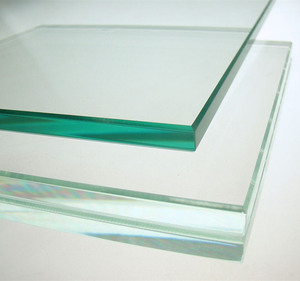
Decorating Sunroom 6mm Lake Ford Blue Outdoor Reflective Tempered Glass
Engineered for luxury Swiss sunrooms and windbreak barriers, offering superior solar control, privacy reflection, and high mechanical strength against high-altitude winds.
- Glass Thickness: 6mm Tempered Safety Glass
- Light Reflectance: High Solar Heat Reduction
- Application: Sunrooms, Balconies, Outer Panels
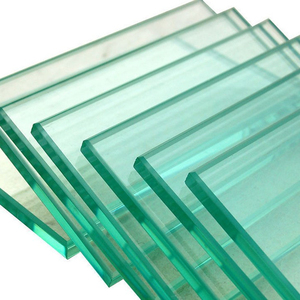
Solid Customizable Tempered Glass Eco-Friendly Solar Curtain Wall Glazing
Precision-manufactured structural glass tailored for deeply recessed Swiss office facades, multi-family curtain walls, and eco-certified greenhouses.
- Customization: Full CNC Edge & Drill Specs
- Environmental: Eco-Friendly Low-Carbon Process
- Certification: EN 12150 / CE Standard
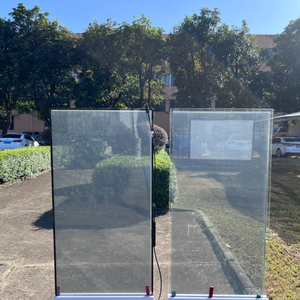
0%-80% Light Transmittance CdTe Thin Film Solar BIPV Glass
State-of-the-art Cadmium Telluride (CdTe) architectural photovoltaic glass. Enables Swiss zero-energy buildings to generate solar power directly through translucent recessed windows.
- Transmittance: Variable (0% to 80%)
- Solar Tech: CdTe Thin Film Integration
- Swiss Fit: Minergie-A Façade Standards
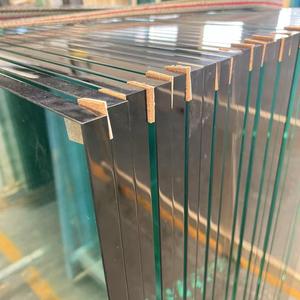
Customized Ultra-Clear Tempered Transparent Glass (6mm - 12mm)
Low-iron ultra-clear structural glass panes engineered for maximum clarity, natural daylight harvesting, and seamless integration into deep window sill reveals.
- Thickness Range: 6mm, 8mm, 10mm, 12mm
- Fe2O3 Content: Low Iron (<0.015%)
- Impact Resistance: Class 1 (BS EN 12600)
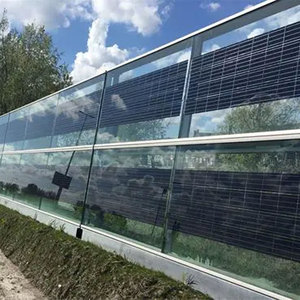
Photovoltaic Laminated Tempered Solar Window & Door Package
High-transmittance laminated safety glass combining active solar power generation with acoustic dampening for modern urban developments across Zurich and Geneva.
- Lamination: Heavy-Duty PVB/EVA Interlayer
- Acoustic Rating: Rw Up to 42 dB
- Energy Yield: Maximum Surface Efficiency
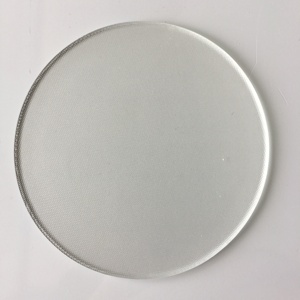
Round Ultra-Clear Woven Textured Photovoltaic Tempered Glass
Specially textured prismatic solar glass designed to scatter reflection, maximize light capture at oblique angles, and elevate architectural aesthetics in mountain chalets.
- Surface Pattern: Woven Prismatic Texture
- Solar Transmittance: > 91.5%
- Edge Finishing: Polished / C-Shape Grinding
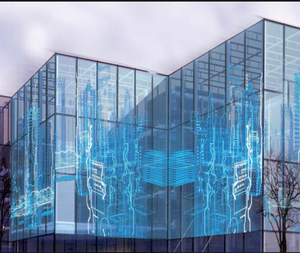
Ultra-Clear Patterned Solar Glass 2.0mm / 3.2mm with AR Coating
Featuring dual-side Anti-Reflective (AR) nano-coating, this ultra-thin solar glass optimizes light absorption for double and triple glazed recessed frame assemblies.
- Thickness Options: 2.0mm & 3.2mm
- Coating: Hydrophobic Anti-Reflective Coating
- Durability: ISO 9001 / IEC 61215 Tested
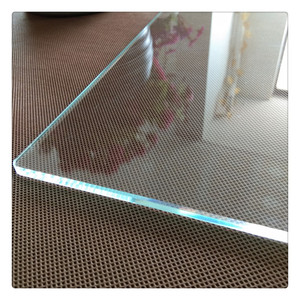
Tempered Clear Solar Panel Glass with Anti-Reflective Coating
Industrial-grade tempered solar glass engineered to withstand hail, extreme thermal fluctuations, and high snow loads common in Alpine construction.
- Hail Impact Test: Class 4 Resistance
- Thermal Shock: Withstands ΔT up to 200°K
- Export Standard: Sealed Wooden Crate Packaging
Architectural Scenarios & Building Physics in Switzerland
Swiss construction is defined by uncompromising standards for envelope integrity, thermal efficiency, and environmental longevity. Recessed window installations serve distinct functional requirements across different regional topographies.
Lowland Mittelland High-Density Housing
In multi-family housing in Zurich, Basel, and Lucerne, deep window recesses reduce solar heat gain coefficient (SHGC) during summer while maintaining natural daylight permeability. Integrating BIPV glass allows facades to generate grid-supplementing electricity during low-sun winter months.
Alpine Chalets & Mountain Resorts
Structures in St. Moritz, Zermatt, and Davos endure severe snow loads, high UV radiation, and freezing winds. Recessed framing shields structural joints from snow buildup, but requires customized EPDM membrane sealants to resist continuous freeze-thaw cycles without embrittlement.
Compact Façade / EIFS Integrations
Modern Swiss timber frame and concrete structures frequently employ thick mineral wool or EPS external insulation (Compact Façade). Installing windows deep inside the insulation plane demands certified structural brackets to transfer wind load back to the core structure without thermal bridging.
Switzerland Fenestration Trends & Compliance Standards
Procuring window packages for Swiss projects requires precise alignment with national building codes. The transition toward carbon-neutral building envelopes has elevated recessed installations from an architectural design trend to an engineering necessity.
| Swiss Building Standard | Engineering Requirement | Walker Windows Export Specification |
|---|---|---|
| SIA 331 (Windows & Curtain Walls) | Rigorously defines air permeability, resistance to driving rain (Class E1500), and mechanical durability under heavy wind pressure. | Factory-sealed silicone joints, multi-chambered thermally broken profiles, third-party water testing validation. |
| Minergie-P / Minergie-ECO | Demands overall wall assembly U-values below 0.15 W/(m²K) and window Ug-values ≤ 0.6 W/(m²K) with zero toxic outgassing. | Triple-pane low-E glass with argon/krypton gas fill, warm-edge composite spacers, non-toxic EPDM weather barriers. |
| SIA 180 (Thermal & Moisture Protection) | Mandates continuous vapor-tight internal sealing and vapor-permeable exterior seals to prevent interstitial condensation within wall reveals. | Integrated 3-layer sealing tape assemblies (RAL compliant) and custom aluminum sill pans with thermal breaks. |
| SIA 261 (Action on Structures) | Calculation of extreme snow and alpine wind load pressures on window facades based on elevation cantons. | Heavy-gauge tempered safety glass up to 12mm thickness with certified structural anchor calculation submittals. |
Engineering Deep Recessed Window Waterproofing
Recessed openings are recognized as the single most critical leak location in exterior cladding. When windows sit back from the weather plane, rain drainage and flashing continuity must be flawlessly executed.
Pre-Construction Submittals
We provide complete architectural submittal packages, shop drawings, thermal bridge (Psi-value) calculations, and glass stress analysis to Swiss engineering teams for early approval.
Sill Pan & Membrane Flashing
Installation of a rigid, back-dammed aluminum sill pan integrated with a liquid-applied weather-resistive barrier (WRB) to guarantee positive slope drainage outward.
Thermal Isolation Mounting
Fenestration frames are anchored onto heavy-duty thermal isolation blocks within the insulation zone, eliminating cold bridges between concrete structures and frame perimeters.
Mock-Up & Water Test
Conducting field mock-up assemblies subjected to dynamic water pressure testing (EN 1027 / SIA norms) prior to full project manufacturing and export delivery.
“Recessed windows are widely recognized as the construction industry’s most demanding waterproofing condition. Our field supervisors build the exact flashing sequence with membrane manufacturers, prove performance through physical jobsite mock-up water tests, and ensure every opening meets rigid multi-family leak-free guarantees.”
Single-Source Accountability
Unlike split vendor-installer models, we oversee product design, glass tempering, BIPV lamination, structural submittals, export logistics, and post-installation technical guidance under one unified team.
Alpine-Grade Logistics
Our export packages arrive in custom sea/land freight crates engineered to protect glass edges during mountain transport to Swiss jobsites across Valais, Graubünden, and Zurich.
75%+ Repeat Client Rate
Since 1999, our commitment to zero-defect delivery and comprehensive post-occupancy warranty support has earned us long-standing partnerships with leading general contractors globally.
Frequently Asked Questions for Swiss Procurement & Contractors
How do your exported recessed window systems meet Swiss SIA 331 and Minergie energy standards?
Our export fenestration packages are engineered specifically to comply with European and Swiss building codes. We supply triple-pane insulated glass units with argon or krypton gas fills, warm-edge composite spacers, and thermally broken frame profiles. All thermal calculations (Uw values down to 0.60 W/m²K) and CE / SIA 331 performance documentation are included with initial submittals.
Why are recessed window installations prone to leaks, and how do you prevent them?
Leaks occur in recessed openings when water pools on the exposed outer sill reveal or penetrates the exterior insulation interface. We prevent failure by engineering a continuous 3-layer seal: an airtight vapor-retarder tape on the interior, high-density insulating foam around the frame core, and a breathable, driving-rain resistant membrane on the exterior, backed by an extruded aluminum sloped sill pan.
Can you supply custom Photovoltaic (BIPV) glass for recessed facade windows in Switzerland?
Yes. We export specialized CdTe thin-film and crystalline silicon BIPV laminated glass panels with light transmittance levels ranging from 0% to 80%. These allow Swiss architects to convert exterior window reveals and spandrel panels into active solar energy collectors without sacrificing natural interior illumination.
What submittal and engineering documentation do you provide for Swiss GCs and architects?
We supply full submittal packages including CAD/BIM elevation drawings, structural anchoring calculations, thermal bridging (Psi) simulations, glass stress analysis, wind load ratings (SIA 261), and factory warranty certificates prior to release for production.
How are glass shipments packaged to prevent transit damage to Switzerland?
All glass and window frame consignments are packaged in reinforced, moisture-sealed export wooden crates with edge protectors and shock-absorbing rubber padding. Cargo is containerized and tracked through customs clearance to ensure pristine arrival at Swiss jobsites.
What is the typical lead time for exporting window packages to Switzerland?
Standard production lead time is 4 to 6 weeks following shop drawing sign-off, with transit times to major Swiss logistics hubs (Zurich, Basel, Geneva) taking approximately 3 to 4 weeks depending on freight routing.
Plan Your Swiss Window Package with Confidence
Submit your architectural drawings, window schedules, or SIA thermal specifications. Our fenestration engineering team will review your project scope and provide a detailed export proposal.
Get a Quote