

Featured Thermal Break & High-Efficiency Window Systems
Precision-Engineered Architectural Windows & Doors Built for Mediterranean Commercial, Luxury Villa & Multi-Family Developments
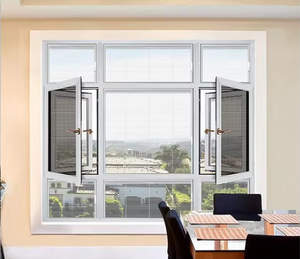
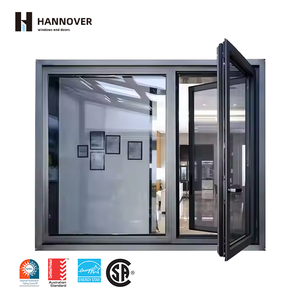
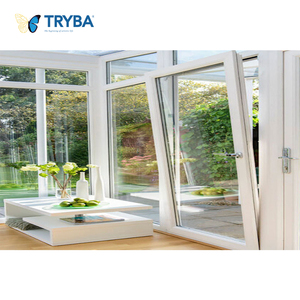
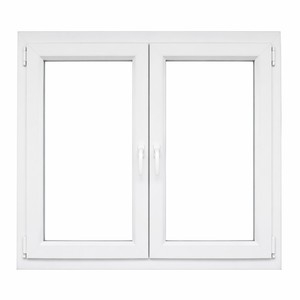
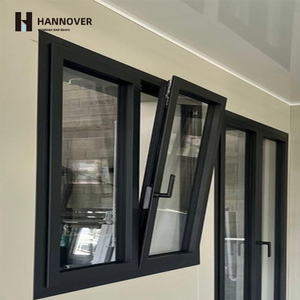
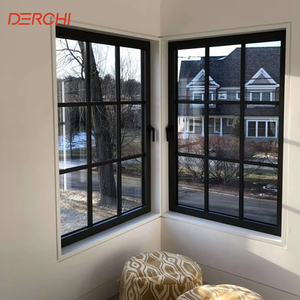
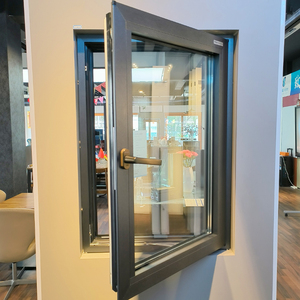
The Greek construction landscape demands a sophisticated balance of thermal insulation, acoustic control, structural rigidity against wind forces, and extreme resistance to marine corrosion. As Greece advances its national energy transition under strict regulatory frameworks, selecting direct-from-factory thermal break aluminium profiles and high-grade UPVC systems has become the baseline standard for commercial developers, luxury villa architects, and multi-family residential projects across Athens, Thessaloniki, and the Aegean Islands.
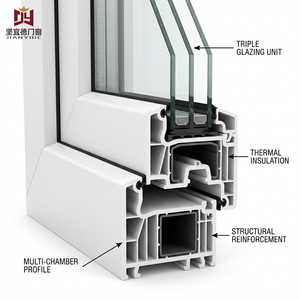
Thermal break systems act as a continuous insulating barrier inserted between the inner and outer aluminum extruded profiles. By substituting conductive metal pathways with low-conductivity polyamides (containing 25% glass fiber reinforcement), heat transfer is drastically reduced. In warm Mediterranean microclimates, this barrier blocks ambient heat ingress during intense summer months, while retaining indoor thermal equilibrium throughout cooler winter seasons in Northern Greece (Zone D/C).
| Greek Energy Zone (KENAK) | Representative Cities / Regions | Mandatory Max Frame Uw (W/m²K) | Recommended Profile & Polyamide Width |
|---|---|---|---|
| Zone A | Crete, Dodecanese, Cyclades, Southern Peloponnese | ≤ 2.60 W/m²K | 55mm-65mm Profile | 24mm PA66 Insulation Strip |
| Zone B | Attica (Athens), Euboea, Peloponnese, Ionian Islands | ≤ 2.20 W/m²K | 65mm-75mm Profile | 34mm PA66 Strip + Low-E Double Glazing |
| Zone C | Thessaloniki, Thessaly, Epirus, Central Greece | ≤ 1.90 W/m²K | 75mm-85mm Profile | 39mm Polyamide + Triple Glazed Ar |
| Zone D | Western Macedonia, Thrace, High-Altitude Mountainous Areas | ≤ 1.70 W/m²K | 85mm+ Passive House System | Foam Insulated Core + Triple Glaze |
Localized Application Scenarios Across Hellenic Regions
Custom Engineering Approaches for Microclimatic Challenges from Island Marine Zones to Dense Urban Centers
Island & Coastal Architecture (Cyclades, Crete, Ionian)
Primary Environmental Stressors: Extreme atmospheric salinity, C5-M high-corrosion coastal environments, intense UV degradation, and seasonal Meltemi winds reaching Force 8–9 on the Beaufort scale.
- Surface Treatment: Qualicoat Seaside Class anodization and pre-anodized powder coating (60–80 microns) preventing salt-crust filiform corrosion.
- Structural Resilience: High wind-load pressure resistance (Class C5 / EN 12210) utilizing multi-point locking mechanisms and heavy-duty 304/316 stainless steel hardware.
- Architectural Aesthetic: Minimalist ultra-slim sightlines designed for panoramic sea views while complying with traditional Aegean aesthetic rules.
Urban Infill & Commercial High-Rises (Athens & Thessaloniki)
Primary Environmental Stressors: Severe urban heat island effect, high ambient acoustic pollution from vehicular traffic, solar heat gain (SHGC), and seismic movements.
- Acoustic Insulation: Sound reduction indexes up to Rw = 45 dB utilizing acoustic laminated glass units and multi-chamber EPDM weather gaskets.
- Solar Control Glazing: High performance selective spectrally solar control glass (g-value ≤ 0.35) reducing air-conditioning loads by up to 40%.
- Anti-Seismic Frame Engineering: Flexible structural silicone sealant joinery matching Greek Anti-Seismic Code (EAK) expansion criteria.
Market Evolution & Regulatory Drivers in Greece
The Greek fenestration market is undergoing a major structural transformation driven by European Union Green Deal directives, national decarbonization plans, and targeted consumer subsidies. Understanding these market dynamics is vital for contractors, architects, and real estate developers looking to procure compliant thermal break windows direct from factory sources.
1. The "Exoikonomo" Energy Retrofit Program
Government-backed subsidies (Exoikonomo-Aftonomo) fund up to 75% of window replacement costs for Greek homeowners upgrading from old single-glazed aluminum profiles to certified thermal break double or triple-glazed units. Importers and local fabricators require strict technical documentation, CE certificates, and EN ISO 10077-1 U-value declarations to secure subsidy compliance for end clients.
2. Shift Toward Minimalist Slim-Profile Sliding Systems
Luxury residential projects in locations like Glyfada, Vouliagmeni, Mykonos, and Santorini are demanding ultra-narrow interlocking sightlines (down to 18mm–25mm width) with concealed sub-outer frames. Factory manufacturers must integrate heavy-load stainless steel rollers capable of supporting sash weights over 400kg without compromising thermal break insulation continuity.
Rigorous Testing, Submittals & Mock-Up Engineering
Most fenestration failures occur in the operational gap between profile suppliers and installation crews. By maintaining complete oversight—from raw material extrusion and polyamide thermal strip insertion to jobsite water testing and architectural submittals—we ensure flawless air and water tightness on every opening.
- Pre-installation mock-ups & lab-certified water penetration tests
- Detailed shop drawings, CAD/BIM submittals matching architect specs
- Recessed window opening waterproofing & sill pan integration
- Over 75% repeat developer & general contractor retention rate
Why Partner With Our Factory & Engineering Team
Proven Fenestration Expertise, Technical Rigor, and Comprehensive Project Support Since 1999

Pre-Construction Submittals
Comprehensive architectural submittal packages, energy compliance modeling (Title 24 / KENAK alignment), structural wind-load takeoffs, and customized shop drawings for fast sign-off.

Factory Manufacturing Precision
Advanced CNC extrusion processing, German-engineered multi-chamber UPVC and thermal break aluminum profiles with factory-installed PA66 GF25 thermal barriers for maximum U-value efficiency.

Jobsite Mock-ups & Water Testing
Full-scale pre-installation mock-up assemblies validated with dynamic water pressure and air tightness testing to verify zero-leak performance before bulk shipment.
Marine Corrosion Certification
Qualanod and Qualicoat Seaside Class surface treatment guarantees protection against extreme atmospheric salt spray, pitting corrosion, and paint chalking in Mediterranean coastal zones.
Post-Installation & Logistics Support
End-to-end container sequencing, island crate-packing protection, hardware replacement reserves, and technical warranty assistance across all Greek administrative regions.
Seismic & Wind Structural Design
Profiles calibrated for high structural inertia (Ix/Iy values) engineered to absorb seismic movement stresses specified in the Hellenic Anti-Seismic Code (EAK 2000).
Frequently Asked Questions (FAQ) for Greece B2B Procurement
Direct Answers to Common Engineering, Logistics, and Regulatory Queries from Greek Developers and Fabricators
Yes. All of our thermal break aluminum and UPVC window packages are fully compliant with KENAK (Regulation on the Energy Performance of Buildings) regulations across all Greek Energy Zones (A to D). We provide certified U-value test reports according to EN ISO 10077-1 and EN ISO 10077-2 standards, making them eligible for the "Exoikonomo" national energy efficiency subsidy programs.
For seaside and island developments, we apply special pre-anodization pretreatment followed by Qualicoat Seaside Class architectural powder coating (minimum 60–80 µm depth). Furthermore, all hardware, hinges, fastners, and lock rods are manufactured from AISI 316 marine-grade stainless steel to resist salt spray pitting, filiform corrosion, and high UV exposure.
We utilize high-precision PA66 GF25 polyamide strips (25% glass fiber reinforced polyamide 6.6). This precise ratio matches the thermal expansion coefficient of extruded aluminum, eliminating profile warping or shear stress under extreme summer temperature differentials (e.g., external surface temperatures exceeding 65°C in Greek mid-summers).
Absolutely. We specialize in custom architectural fabrications. Our engineering team prepares complete submittal packages including CAD/BIM details, shop drawings, glass performance charts (Ug, SHGC, VLT), structural wind-load calculation reports, and factory-assembled mock-up samples for jobsite review prior to full-scale manufacturing.
Standard production lead times range from 3 to 4 weeks depending on custom color finishes (e.g., textured anodized or RAL powder coat). Shipments are containerized and dispatched directly to major Greek ports such as Piraeus (Athens) or Thessaloniki. Specialized seaworthy steel-reinforced wooden crates are used to ensure safe transit when onward trucking to island sites (e.g., Crete, Rhodes, Mykonos) is required.
Recessed masonry openings are one of the most critical waterproofing points. We specify engineered flashing systems, continuous EPDM membrane integration, and custom sill pan extrusions designed specifically for Greek masonry cavity wall constructions, preventing capillary water ingress under driven rain pressure.
Ready to Elevate Your Building Project in Greece?
Contact our engineering team today for technical submittals, factory direct pricing, product catalogs, and customized mock-up samples tailored for Hellenic architectural standards.