

Engineered Fenestration for Vietnam's Tropical & Coastal Climates
As Vietnam experiences accelerated urbanization across key economic zones like Ho Chi Minh City, Hanoi, Da Nang, and Hai Phong, developers face harsh environmental realities: Category 3-5 typhoons, intense monsoon humidity, high thermal loading, and salt spray corrosion. Selecting qualified storm window suppliers requires a deep evaluation of structural design pressure (DP), water penetration resistance, and thermal efficiency.
Top-Rated Storm Window Systems for Vietnam Architectural Scenarios
The following 8 architectural-grade window systems are customized for bulk construction projects, high-rise residential developments, and luxury resort projects in Vietnam.
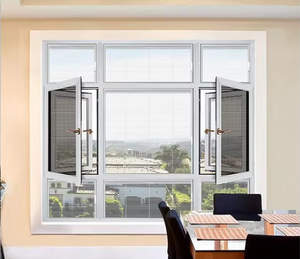
Heavy-Duty Aluminum Casement Hurricane Impact Window
- Laminated PVB/SGP Safety Glass
- Multi-point Anti-Theft Locking Mechanism
- Design Pressure: DP70 (Coastal Grade)
- Anodized C5-M Anti-Corrosion Finish
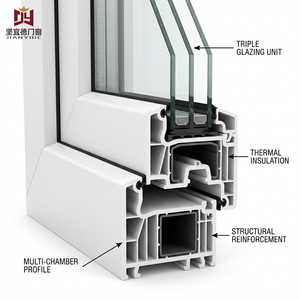
Multi-Chamber UPVC UV-Resistant Vinyl Storm Window
- UV-Stabilized High-Impact UPVC Compound
- Triple-Sealed Weatherstripping System
- Low-E Argon Double/Triple Glazing
- Optimal Heat Gain Reduction (SHGC < 0.22)
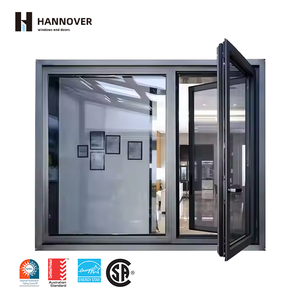
Commercial NFRC Aluminum Tilt & Turn Storm Window
- Dual Action: Tilt for Ventilation, Turn for Clean
- Polyamide Thermal Break Structure
- Acoustic Rating: STC up to 40 dB
- Tailored for Luxury Villas & Commercial High-Rise
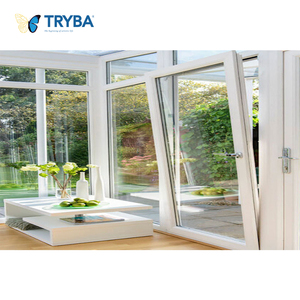
Precision German-System UPVC Acoustic Storm Window
- Galvanized Steel Core Reinforcement
- Siegenia / Roto Multi-Point Hardware
- Zero Air Infiltration Gasket Matrix
- Superior Rain & Pressure Resistance
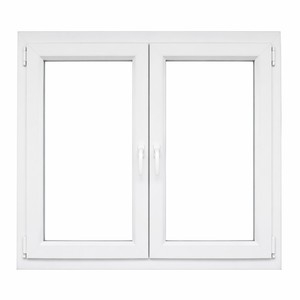
High-Efficiency Commercial UPVC Project Window Package
- Cost-Optimized for Multi-Family & Industrial Zones
- Modular Sizing for Fast Construction Cycles
- High Fire-Retardant & Corrosion Properties
- Fully Compliant with LOTUS Building Code
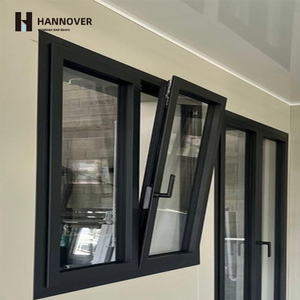
Double-Glazed Thermal Break Aluminum Swing Window
- T6 6063 Architectural Grade Aluminum
- Hydraulic Friction Hinge with Heavy Load Support
- Double EPDM Continuous Sealing Strips
- Engineered for Typhoon Rain Pressures
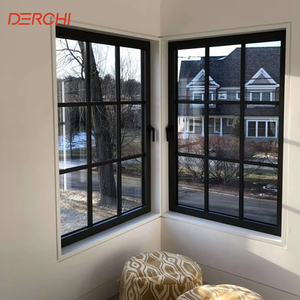
Architectural Narrow-Frame European Style Casement Window
- Ultra-Slim Visual Profile for Daylight Optimization
- Triple-Pane Laminated Acoustic Glazing
- Matte Powder Coating (AkzoNobel Fluorocarbon)
- Wind Load Capacity: Over 4.5 kPa
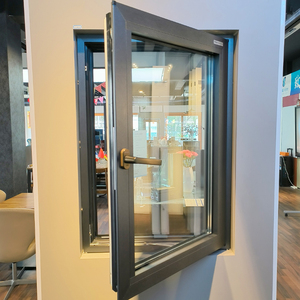
Energy Star Passive House Aluminum Triple-Glazed Window
- Ultra-Low U-Factor (< 0.85 W/m²K)
- Aero-grade Warm Edge Spacer Technology
- Maximum Water Tightness: Class 9A (600 Pa)
- Designed for LEED Platinum & Green Projects
Localized Application Scenarios across Vietnam
Vietnam's extreme geographic variance demands specialized fenestration strategies. A window specified for an urban high-rise in Ho Chi Minh City will fail if installed on a beachfront resort in Da Nang without coastal protection. Here is how our engineered storm window systems respond to specific local project demands:
Urban High-Rise Towers (Hanoi & HCMC)
Densely populated metros require structural resistance against high-altitude micro-burst wind suction (up to DP80) alongside aggressive urban noise dampening. Multi-layer laminated acoustic glass cuts ambient traffic sound by up to 42 dB while thermally broken frames reduce HVAC electrical draw by up to 28%.
Coastal Resorts & Islands (Phu Quoc, Nha Trang, Da Nang)
Coastal developments face aggressive C5-M atmospheric salt corrosion and Category 4 typhoon surges. Specifying high-thickness powder coating (Qualicoat Class 2) with SGP structural interlayers prevents delamination, glass blowouts, and saline pit corrosion on hardware mechanisms.
Industrial Zone Parks (Binh Duong, Bac Ninh, Dong Nai)
Industrial facilities and cleanrooms demand high air-tightness under continuous negative pressure differentials. Multi-chamber UPVC and thermal-break aluminum profiles maintain zero air infiltration, ensuring environmental compliance and dust protection.
Technical Benchmark Matrix for Vietnam Procurement
Comparing performance metrics between standard commercial fenestration and specialized storm window profiles under ASTM, NFRC, and EN standards:
| Performance Standard | Standard Commercial Window | Multi-Chamber UPVC Storm Window | Thermal Break Aluminum Impact Window |
|---|---|---|---|
| Wind Load Pressure Resistance | 1200 - 1800 Pa (DP25-DP35) | 2500 - 3200 Pa (DP50) | 3500 - 5500 Pa (DP70-DP100) |
| Water Penetration Resistance | 150 - 250 Pa | 450 - 600 Pa (Class 9A) | 600 - 1000 Pa (Submerged Test Compliant) |
| Salt Spray Corrosion (ASTM B117) | 240 Hours (Standard Anodized) | Immune to Salt Corrosion | 3000+ Hours (Fluorocarbon PVDF / C5-M) |
| Thermal Transmittance (U-Factor) | 2.8 - 3.5 W/m²K | 1.2 - 1.6 W/m²K | 0.8 - 1.4 W/m²K (Low-E Double/Triple) |
| Impact Resistance (ASTM E1996) | None (Standard Tempered) | Medium Impact (PVB Laminated) | Heavy Missile Impact (9 lb 2x4 @ 50 ft/s) |
Localized Procurement & Architectural Trends in Vietnam
Understanding local code shifts and sustainable engineering trends gives developers a competitive advantage in the Southeast Asian market:
- LOTUS & LEED Energy Mandates: The Ministry of Construction (MoC) in Vietnam has tightened energy efficiency benchmarks under QCVN 09:2017/BXD. Solar Heat Gain Coefficient (SHGC) values below 0.25 are now mandatory for high-rise commercial building envelopes to reduce air conditioning loads.
- Transition to Recessed Waterproofing: Recessed window opening details represent one of the highest risk areas for rain leaks during monsoon seasons. Developers are shifting away from direct surface-mount flush fins toward integrated pan flashing, silicone weather barriers, and sub-frame installation methods.
- Demand for Integrated Mock-Up Testing: Main contractors now require pre-construction jobsite mock-up testing (ASTM E1105 field water testing & ASTM E783 air leakage) prior to approving mass production factory runs.
Enterprise Capability: End-to-End Accountable Window Engineering
Rooted in rigorous U.S. commercial construction standards since 1999, our operating model eliminates the dangerous responsibility gap between window manufacturers and field installers. Having served 7 of the Top 10 U.S. General Contractors, we bring unmatched technical precision to global project exports.
Phase 1: Pre-Construction & BIM Submittals
Complete plan review, opening take-offs, glass stress calculation, Title 24 / energy compliance submittals, shop drawings, and structural calculations prepared prior to extrusion production.
Phase 2: Pre-Installation Mock-Ups & Water Tests
Constructing full-scale jobsite mock-ups with flashing manufacturers and independent testing agencies (ASTM E1105) to verify structural and water-tight integrity before mass shipping.
Phase 3: Field Supervision & Post-Occupancy Support
Providing detailed step-by-step flashing sequences, supervised installation guidance, and post-installation punch-list accountability for long-term leak-free performance.
Why Overseas Developers Trust Our Engineering
By controlling the entire process from structural extrusion specification down to the sill-pan flashing sequence, we eliminate water intrusion risks—the single largest source of structural litigation in multi-family development.
Consult Our Engineering TeamFrequently Asked Questions (Vietnam Procurement & Engineering)
How do your storm window systems handle severe typhoon wind pressures in coastal Vietnam?
Our heavy-duty aluminum impact series utilizes T6 6063 structural alloys with structural silicone glazing (SSG) and SGP laminated safety glass. Rated up to DP80 (over 4.0 kPa), these systems are tested to withstand positive and negative wind loads generated by Category 4 and 5 typhoons without structural deflection or glass pop-out.