1. Strategic Procurement Analysis for Los Angeles General Contractors
The Southern California commercial and multi-family construction landscape is driven by stringent architectural demands, aggressive development schedules, and complex energy mandates under California Code of Regulations Title 24, Part 6. For General Contractors (GCs), developers, and envelope consultants operating within the City of Los Angeles Department of Building and Safety (LADBS) jurisdiction, sourcing high-performance fenestration packages from premier Chinese OEM manufacturers has evolved into a strategic leverage point.
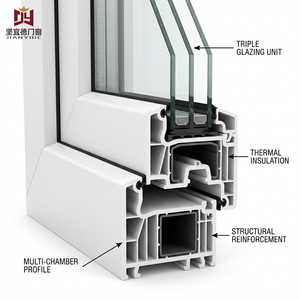
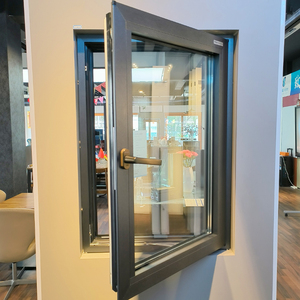
Historically, domestic US supply chains for architectural aluminum windows and commercial vinyl sliding doors have suffered from extended lead times, rigid customization limits, and escalating unit pricing. Leading Chinese window manufacturers have bridged this gap by combining state-of-the-art European extrusion technology (utilizing 6063-T6 structural aluminum and multi-chamber vinyl profiles) with rigorous national testing standards. When aligned with experienced U.S. installation management—such as the operational methodology established by Walker Windows since 1999—general contractors secure factory-direct pricing while mitigating field execution risks.
Core Technical Value: Sourcing high-capacity Chinese manufacturing yields up to 35% in direct bill-of-materials cost savings while fulfilling strict NFRC thermal metrics (U-factor ≤ 0.24, SHGC ≤ 0.23) and high acoustic ratings required for urban infill along LA metro corridors.
Key Regulatory Benchmarks for LA Fenestration:
- California Title 24 Compliance: Double-pane and triple-pane insulated glass units (IGUs) incorporating Spectrally Selective Low-E coatings (e.g., Solarban 60/70 glass units) engineered specifically to limit solar heat gain in Climate Zones 6 (Los Angeles Coastal) and 9 (Los Angeles Basin).
- Structural & Design Pressure (DP) Ratings: Architectural systems verified under AAMA/WDMA/CSA 101/I.S.2/A440 standards to withstand high localized wind pressures, particularly for mid-rise podium structures and high-rise envelope applications.
- Wildfire Urban Interface (WUI) Compliance: Special exterior tempered and heat-strengthened glass configurations designed for LA foothill regions (Bel Air, Pacific Palisades, Pasadena) subject to California Building Code Chapter 7A ignition-resistant requirements.
2. Bridging Manufacturer Capability with Local Field Execution
As documented over decades of field service by commercial trade contractors like Walker Windows (operating since 1999 and serving 7 of the Top 10 U.S. National Multifamily Housing Council general contractors), the vast majority of window failures do not originate in frame fabrication—they occur in the interface between the window supplier and the field installer.
Eliminating the "Supplier-Installer Gap"
When purchasing window assemblies directly from top Chinese manufacturers for deployment in Los Angeles, GCs must enforce a unified workflow that connects architectural shop drawings, factory submittals, jobsite mock-ups, and field weatherization.
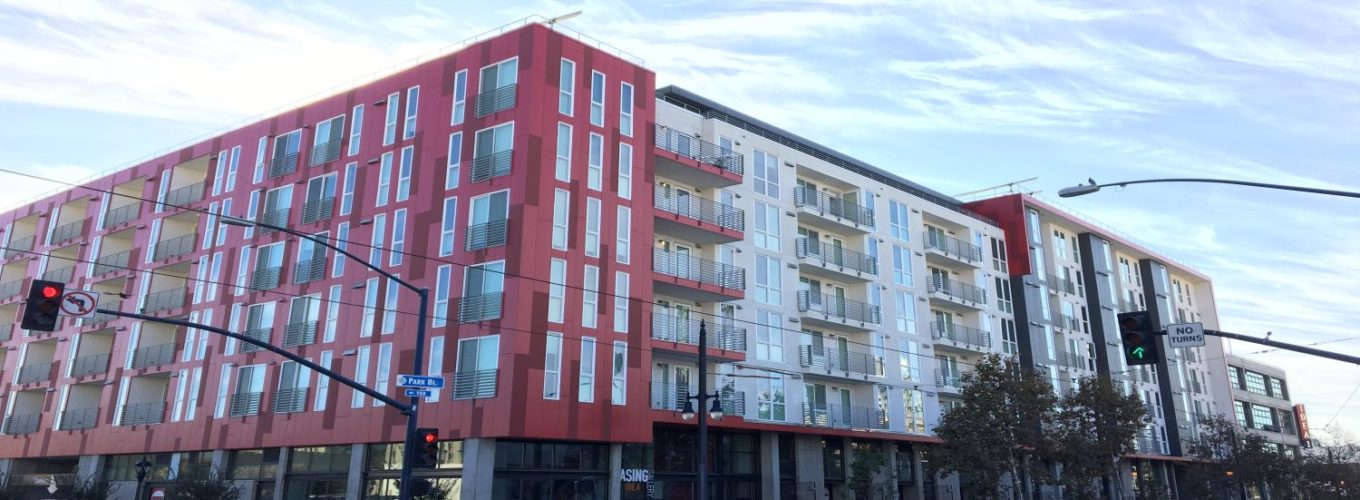
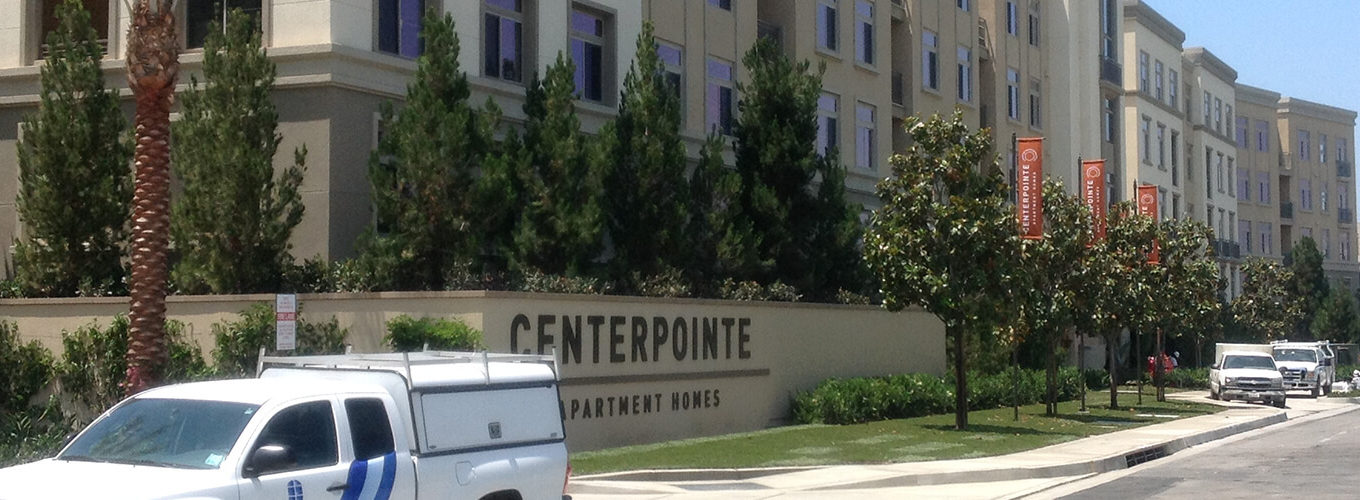
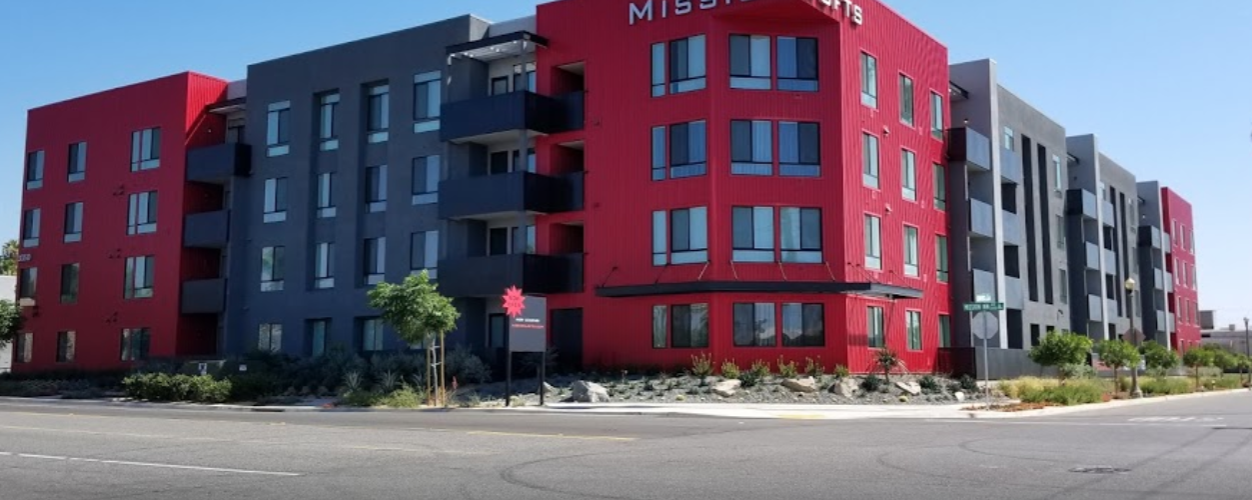
Recessed window openings—frequently detailed in modern podium wrap apartments across Downtown LA, Hollywood, and Santa Monica—represent the single most critical waterproofing detail in building envelope construction. Achieving leak-free performance requires a seamless sequence combining factory-applied nail fins, high-performance EPDM gaskets, jobsite sill pan flashing, and liquid-applied weather-resistive barriers (WRB).
Proven Field Workflow Protocol:
- Phase 1: Pre-Construction & Submittals: Comprehensive plan review, window schedule take-offs, custom extrusion die reviews, Title 24 energy calculations, and full architectural shop drawing sign-offs prior to factory mass production.
- Phase 2: Jobsite Mock-Up & Water Testing: On-site assembly of physical window mock-ups incorporating the specified Chinese window system with local flashing substrates. Verified via field water testing (AAMA 501.2 / ASTM E1105) witnessed by independent envelope consultants.
- Phase 3: Floor-by-Floor Delivery Sequencing: Factory packaging arranged by elevation and unit layout to allow direct crane loading from container to floor, preventing site clutter and handling damage.
- Phase 4: Post-Installation Support: Complete field quality assurance, glass protection review, hardware adjustment, and single-source warranty handling.
3. Third-Party Validation & Industry Endorsements
Building envelope integrity in Southern California is subject to intense scrutiny from third-party testing agencies, peer reviewers, and general superintendents. Sourcing windows from elite Chinese factories backed by disciplined field installation protocols has earned high praise across the commercial construction sector.
“Attention to detail and the care it takes in seeing the customer through from start to finish is their signature. Sourcing high-grade aluminum window assemblies with verified mock-up water testing ensures leak-free performance on high-density multi-family structures.”
Gene Summy | President, TLS Laboratories / Builders Network, Inc.
“Starting with the submittal process, mock ups, and through production, rigorous engineering commitment provides the highest quality installations, garnering the loyalty of top developers and GCs across Southern California.”
John Rohovit, CSI, CDT | Director, RainBuster Building Solutions Group
“Maintaining a professional and productive job site while coordinating complex window packages across large commercial sites is essential. Input on opening details and weatherization is second to none.”
Dennis Hall | General Superintendent, Davis Development Company