

Featured Export Window Systems for Ethiopian Projects
Direct factory wholesale window and patio door assemblies precision-engineered to withstand high UV index, altitude pressures, and dust sealing demands across Ethiopia.
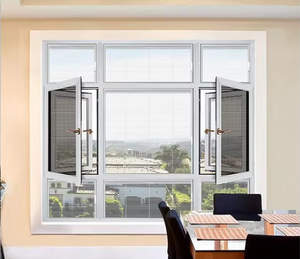
Modern Large Casement Aluminum Glass Windows
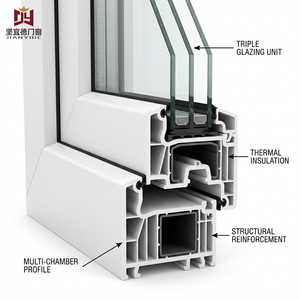
Energy-Saving Multi-Chamber UPVC Casement Windows
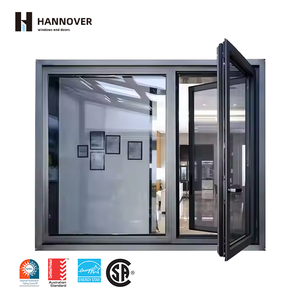
NFRC Certified Aluminum Tilt & Turn Casement Windows
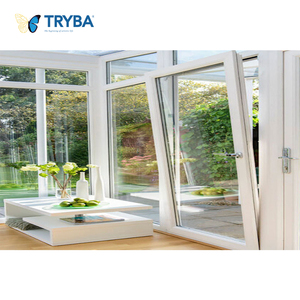
German System Custom High-Quality UPVC Windows
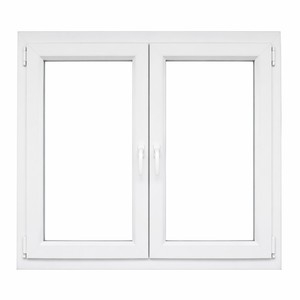
Wholesale UPVC Windows for Commercial Projects
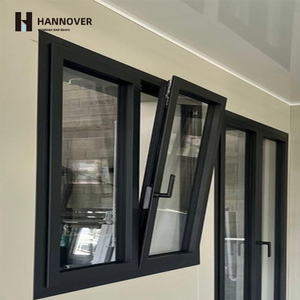
Thermal Break Double-Glazed Aluminum Swing Windows
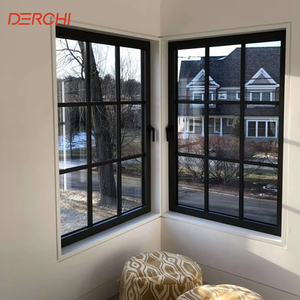
Narrow Frame European Style Triple Glazed Windows
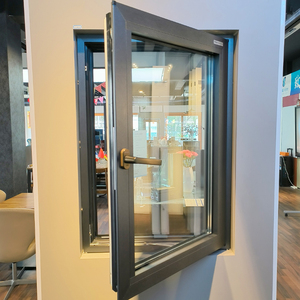
Passive House Energy Star Thermal Break Windows
1. Executive Summary: Navigating China-to-Ethiopia Wholesale Window Procurement
As Ethiopia experiences an unprecedented expansion in urban infrastructure, multi-family residential developments, and commercial real estate across key economic hubs such as Addis Ababa, Dire Dawa, Hawassa, and Adama, the demand for high-performance architectural fenestration has reached a historic peak. Ethiopian real estate developers, general contractors, and project procurement directors face a dual challenge: sourcing windows and doors that satisfy rigorous environmental durability standards while navigating complex international supply chains and local import regulations.
China has established itself as the global powerhouse for fenestration manufacturing, offering advanced engineering capabilities, economy of scale, and specialized material formulations. However, successfully sourcing wholesale windows from top Chinese manufacturers requires deep technical alignment with Ethiopia's unique geographic and climatic profile. This whitepaper serves as an authoritative specification and procurement guide, establishing optimal criteria for selecting double and triple-glazed UPVC and thermal break aluminum systems tailored specifically for Ethiopian construction requirements.
By establishing direct strategic partnerships with experienced OEM/ODM factories in China, Ethiopian builders eliminate intermediary markups, gain access to certified window testing reports (such as NFRC, CE, and ISO certifications), and secure end-to-end quality control—from pre-construction shop drawings and jobsite mock-up validation to ocean freight clearance through the Port of Djibouti and final delivery to site.
2. Geographic, Climatic & Architectural Demands in Ethiopia
Ethiopia’s topography and climate diverge significantly from standard tropical regions. A granular understanding of these factors is mandatory when formulating window frame extrusions, glass coatings, and weatherproofing seals.
High-Altitude Solar Radiation & UV Protection
Addis Ababa sits at an elevation of approximately 2,350 meters above sea level. High altitudes result in thinner atmospheric layers, leading to intense Solar Ultraviolet (UV-A and UV-B) radiation. Standard, un-stabilized vinyl (UPVC) profiles exposed to this environment will experience severe chemical degradation, leading to yellowing, embrittlement, and structural cracking within 24 to 36 months. Chinese manufacturers supplying the Ethiopian market must utilize advanced Titanium Dioxide (TiO2) stabilization with organic tin heat stabilizers in UPVC extrusions to guarantee color retention and impact resistance over a 30-year operational life.
Acoustic Isolation for Urban Districts
In rapidly densifying commercial districts like Bole, Cazanchis, and Gotera in Addis Ababa, noise pollution from vehicle traffic and commercial activity is a major challenge for luxury apartment developments and corporate headquarters. Fenestration specifications must prioritize Acoustic Sound Transmission Class (STC) ratings. Incorporating asymmetric double glazing (e.g., 6mm toughened outer glass + 12mm Argon gap + 4mm inner glass) or laminated PVB acoustic glass effectively dampens low-to-mid frequency urban noise, raising interior acoustic comfort to international residential standards.
High Dust & Seasonal Monsoon Sealing
Ethiopia experiences distinct seasonal shifts—from dry, dust-laden winds during the dry season (Bega) to heavy downpours during the monsoon season (Kiremt). Window assemblies must employ multi-channel EPDM (Ethylene Propylene Diene Monomer) gasket seals combined with dual-stage drainage paths. This engineering prevents fine dust particles from penetrating inner sash tracks while facilitating rapid water evacuation during torrents, preventing water ingress and interior wall damage.
Diurnal Thermal Fluctuation Management
Highland areas experience significant diurnal temperature swings—warm daytime temperatures giving way to cold nights. Aluminum profiles without thermal breaks quickly conduct heat out of the interior at night and import unwanted solar heat during the day. Specifying Polyamide (PA66) Thermal Barrier strips within aluminum profiles creates a thermal break, significantly lowering the overall U-factor of the fenestration package and reducing HVAC energy consumption.
3. Comparative Technical Analysis: Material & Glazing Systems
Selecting between UPVC and Thermal Break Aluminum depends on building height, architectural wind load calculations, visual profile preferences, and budget allocations. The matrix below outlines the engineering characteristics of major window assemblies supplied by top Chinese wholesale manufacturers serving the East African market.
| Fenestration System Type | Thermal U-Factor (W/m²K) | SHGC Range | Acoustic Rating (STC) | Structural Wind Load (kPa) | Recommended Ethiopian Application |
|---|---|---|---|---|---|
| Multi-Chamber UPVC (Double Glazed) | 1.4 – 1.8 | 0.35 – 0.50 | 32 – 36 dB | 1.8 – 2.5 kPa | Mid-rise apartments, affordable housing, suburban residential developments. |
| Thermal Break Aluminum (Double Glazed) | 1.6 – 2.1 | 0.28 – 0.42 | 34 – 38 dB | 3.0 – 4.5 kPa | High-rise commercial towers, podium-wrap developments, luxury hotels. |
| Passive House Triple Glazed Aluminum | 0.8 – 1.1 | 0.20 – 0.32 | 40 – 45 dB | 4.5 – 6.0+ kPa | Diplomatic compounds, green-certified towers, high-altitude luxury villas. |
| Slim-Frame European Casement (Aluminum) | 1.8 – 2.3 | 0.30 – 0.45 | 30 – 35 dB | 2.5 – 3.5 kPa | Modern residential villas, high-visibility commercial retail, boutique offices. |
4. Enterprise Manufacturing Standards & E-E-A-T Quality Assurance
Procuring windows directly from top China suppliers requires establishing strict quality assurance protocols before mass production and shipment. Professional window manufacturers with established export track records apply rigorous engineering workflows to eliminate structural, functional, and aesthetic defects.
The Four-Phase Fenestration Quality Protocol
To ensure 100% leak-free performance and operational efficiency on site, leading manufacturers adhere to a standardized pre-to-post construction process:
Phase 1: Pre-Construction & Shop Drawings
Comprehensive architectural plan review, opening take-offs, wind-load calculations, energy compliance verification (Low-E coating selection), shop drawing sign-offs, and custom color extrusion matching (RAL powder coating anodization).
Phase 2: Mock-Up & Lab Water Testing
Assembly of physical window mock-ups for lab air infiltration, water resistance, and structural load testing. Dynamic water spraying under pressurized conditions ensures gasket seals and drainage channels perform faultlessly.
Phase 3: Production Precision & Quality Audit
CNC automated cutting and corner-crimping/welding of profiles, multi-point lock hardware fitting, argon gas filling inside insulated glass units (IGU), and strict dimensional tolerance checks on every sash.
Phase 4: Export Packaging & Container Loading
Application of protective scratch-resistant film, heavy-duty corner caps, vacuum wrapping, and customized steel or wooden crate packaging engineered to withstand multi-modal sea and land transit.
Our collaborative manufacturing infrastructure incorporates lessons learned from working with top international general contractors, ensuring over 75% repeat business through reliable engineering submittals, complete transparency, and post-installation warranty support.
5. Logistics Engineering: Ocean Freight to Port of Djibouti & Inland Ethiopia Transport
A critical phase in the China-to-Ethiopia window supply chain is managing multi-modal logistics smoothly. Because Ethiopia is landlocked, over 95% of international cargo arrives via the Port of Djibouti before inland truck transportation to Addis Ababa and regional hubs.
Key Logistics Protocols for Importers
- Container Packaging Strategy: Glass products require heavy-duty vertical glass racks inside 40ft HQ dry containers or specialized open-top containers. Double-strapping and foam cushioning eliminate vibration damage over rough road terrain along the Djibouti-Addis corridor.
- Customs Clearance Documentation: Chinese export suppliers must issue compliant commercial invoices, detailed packing lists, Certificates of Origin (CO), and test certificates aligned with the Ethiopian Conformity Assessment Enterprise (ECAE) guidelines.
- Payment & L/C Protocols: Most enterprise transactions operate under Letter of Credit (L/C) issued by commercial banks of Ethiopia or telegraphic transfers (T/T). Clear alignment on shipping terms (FOB, CIF Djibouti, or DDP Addis Ababa) ensures predictable landed costs.
- Delivery Sequencing by Floor: For large multi-family or commercial projects, containers are packed in reverse order of site installation—enabling crews in Addis Ababa to unload windows floor-by-floor directly onto project hoists.
6. Frequently Asked Questions (FAQ) for Ethiopian Buyers
Below are detailed answers to common technical, commercial, and logistical questions raised by Ethiopian project developers and contractors sourcing wholesale windows from China.
For UPVC profiles, top Chinese manufacturers export high-grade formulations containing 8 to 10 parts of Titanium Dioxide (TiO2) per hundred resin parts, combined with UV stabilizers. This creates an impenetrable barrier against intense solar UV radiation common at high altitudes, preventing yellowing, chalking, and brittleness. For aluminum windows, electrostatically applied Qualicoat-certified PVDF (Fluorocarbon) or premium architectural powder coatings are specified, resisting fading and chalking for up to 25 years.
Standard production lead time for custom aluminum or UPVC window orders ranges from 20 to 30 days following shop drawing sign-off and deposit confirmation. Ocean transit from major Chinese ports (Ningbo, Shanghai, Shenzhen) to the Port of Djibouti typically takes 20 to 25 days. Customs clearance at Djibouti and truck haulage to Addis Ababa adds another 7 to 14 days. Altogether, project managers should plan for a 50 to 70-day total timeline from factory order to jobsite delivery.
A double-glazed insulated unit featuring 6mm Low-E toughened glass + 12mm Air/Argon Gap + 6mm Clear glass delivers exceptional energy performance. The Low-E (Low-Emissivity) coating reflects long-wave infrared radiation, keeping exterior heat out during hot afternoons while retaining indoor warmth during cold high-altitude nights, significantly reducing energy costs for air conditioning or space heating.
Yes. OEM/ODM customization is a primary advantage of working with Chinese wholesale manufacturers. Window assemblies are custom-manufactured to match exact rough opening dimensions provided in your structural schedules. Advanced CNC cutting and machining centers ensure dimensional tolerances within ±1mm, eliminating structural fitting issues on site.
Professional export packaging utilizes reinforced vertical wooden or steel crates with rubber dampening strips between glass panels. Vacuum wrapping prevents moisture ingress during sea transit. In the rare event of transit damage, comprehensive marine insurance covers cargo value. Furthermore, manufacturers typically include 1% to 2% spare glass panels and hardware replacement components in major bulk shipments to prevent construction delays.
Leading Chinese exporters engineer window systems compliant with international standards including NFRC (US), CE (Europe), AS2047 (Australia), and ISO 9001 quality management standards. Detailed technical documentation, lab test reports, and structural calculations are supplied during the pre-construction submittal phase to satisfy project consultants and local authorities.
Ready to Upgrade Your Ethiopian Project’s Fenestration?
Partner with a top China wholesale window manufacturer trusted by global general contractors. Submit your architectural plans, elevation drawings, or bill of quantities today for a comprehensive technical submittal and direct factory quote.