

Engineering Excellence & End-to-End Field Accountability in Chilean Fenestration
The Latin American architectural landscape—specifically Chile's expansive urban centers, coastal coastal regions, and extreme southern latitudes—demands fenestration systems engineered for rigorous thermal retention, intense UV exposure, extreme wind pressure, and high seismic displacement tolerance. Selecting a manufacturing supplier is only half the equation; the long-term structural integrity and thermal envelope performance depend entirely on post-installation window service, rigorous mock-up testing, and field lifecycle support.
As a global OEM/ODM manufacturing factory partner with deep expertise in structural aluminum extrusions, thermal break technology, and UPVC profiles, our operations align directly with general contractors, commercial developers, and architectural firms across Chile (Santiago, Valparaíso, Concepción, Antofagasta, and Puerto Montt). We close the traditional risk gap between overseas factory production and Chilean jobsite execution by offering a continuous quality assurance loop—from technical submittals and mock-up water testing to on-site installation supervision and multi-year post-installation field servicing.
Top Recommended Architectural Window Systems for Chile
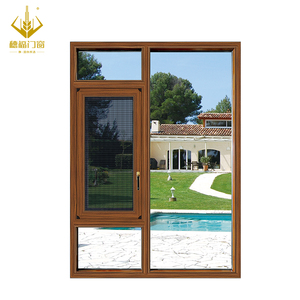
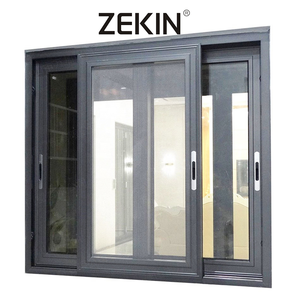
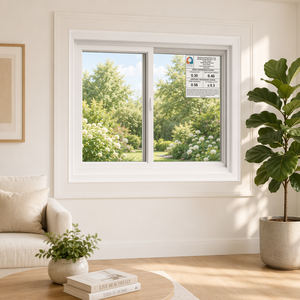
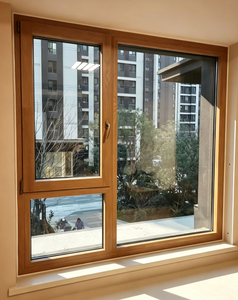
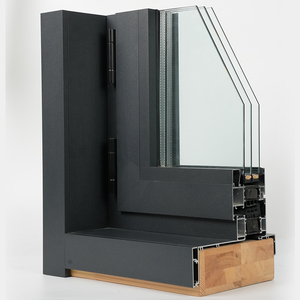
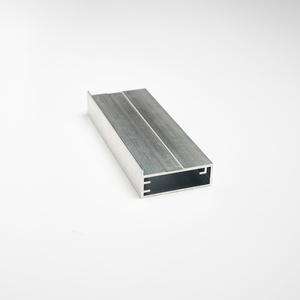
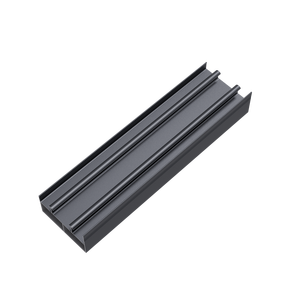
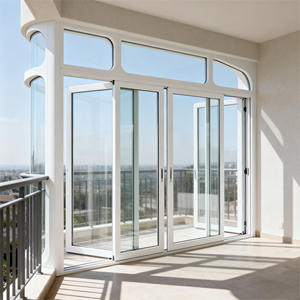
Engineered to comply with Chilean General Regulations of Urbanism and Constructions (OGUC Article 4.1.10 for thermal zone performance) and tested under severe wind and seismic loads, the following eight core fenestration lines represent our premium factory exports with full post-installation field support.
Solving the Overseas Procurement Gap: The Post-Installation Advantage
Many developers and general contractors in Chile hesitate when sourcing direct-from-factory fenestration packages from abroad due to one key operational bottleneck: Who takes responsibility when a window leaks, jams, or fails site inspection post-turnover?
Our business framework directly mirrors top-tier institutional contractors (such as Walker Windows' rigorous start-to-finish model). By serving as both the direct manufacturing factory and providing dedicated technical post-installation lifecycle services, we eliminate the blame-game between overseas profile suppliers and local subcontractor crews.
1. Pre-Construction Submittals & BIM
Complete shop drawing packages, thermal calculations (U-Factor/SHGC), window schedule optimization, seismic dynamic movement modeling, and full architectural submittal support tailored to Chilean municipal building permits.
2. Jobsite Mock-Ups & Water Testing
Before mass factory production begins, we build full-scale prototype mock-ups. We coordinate jobsite water nozzle spray testing (ASTM E1105 / NCh3171 standards) alongside local Chilean testing agencies to prove zero-leak performance.
3. Supervised Field Installation
We supply continuous technical field guidance. Factory-trained technical supervisors oversee flashing membrane installation, sill pan panelling, structural perimeter anchoring, and expansion joint sealing across multi-family podiums.
Comprehensive Post-Installation Window Service Protocol
Post-installation service is the ultimate hallmark of factory trustworthiness (E-E-A-T). Once a multi-family or commercial building in Chile is occupied, settlement shifts, wind vibration, and daily thermal expansion can affect window sash alignment and weatherstripping integrity.
Our dedicated post-installation framework covers:
- ✓ On-Demand Field Technicians: Local technical team dispatched for hardware adjustments, glass replacements, or gasket seal touch-ups.
- ✓ Seismic Calibration Checks: Post-seismic event inspections to ensure frame profiles remain square and structural anchors remain tight without micro-cracking.
- ✓ Direct Warranty Component Logistics: Immediate factory dispatch of replacement hardware, friction hinges, EPDM gaskets, or IGUs directly to Chilean ports (Valparaíso / San Antonio).
- ✓ Preventative Maintenance Training: Operational handbooks and maintenance guidelines delivered to property management companies in Spanish.

Localized Application Scenarios across Chilean Microclimates
Chile spans over 4,200 kilometers of coastline, presenting an unprecedented diversity of climatic challenges for architectural fenestration. Customizing profile alloys, surface coatings, and double/triple glazing gas fills is mandatory for long-term envelope durability.
1. High-Density Metropolitan Santiago (Central Valley Thermal Swing & Acoustic Isolation)
In urban Santiago (Providencia, Las Condes, Santiago Centro), buildings experience hot summer days and cold winter nights, alongside heavy city traffic noise. Solution: Thermally broken aluminum sliding and tilt-turn systems with double Low-E glazing (Acoustic PVB laminated glass options). This configuration reduces HVAC energy consumption while cutting urban decibel levels by up to 42 dB.
2. Coastal Marine Environment (Valparaíso, Viña del Mar, Iquique, Antofagasta)
Salt spray, high humidity, and aggressive ocean wind pressures cause severe oxidation on standard hardware and standard paint finishes. Solution: Multi-chamber UPVC windows or high-grade 25-micron Qualicoat Class 2 anodized aluminum frames with 316 marine-grade stainless steel multi-point locks, preventing salt-air corrosion and frame binding.
3. Extreme Southern Patagonia (Puerto Montt, Punta Arenas, Coyhaique)
Zone 7 climate conditions require extreme thermal performance to halt heat loss and stop interior window condensation during sub-zero months. Solution: European style aluminum-wood clad or deep-profile 80mm UPVC frames fitted with triple-pane argon-filled glass units, achieving U-values as low as 0.8 W/m²K in strict compliance with Patagonia energy efficiency codes.
4. High-Altitude UV & Desert Belts (Atacama Region & Mining Compounds)
High UV index combined with extreme diurnal temperature fluctuations cause low-quality plastic window frames to warp, yellow, and crack. Solution: UV-stabilized titanium dioxide PVC extrusions or thermally isolated heavy aluminum framing with solar-control Low-E glass that blocks 99% of damaging UV rays.
Strategic Market Trends in Chile's Construction Sector
Understanding local market dynamics enables architects and developers to specify products that yield higher ROI and property resale valuations.
Rising Adoption of NCh 3171 & Seismic Engineering Integration
Following historical seismic activity, Chile's structural codes demand that exterior fenestration handle lateral inter-story drift without glass shattering or frame popping. Modern factories must design deep glazing pockets and flexible structural silicone glazing joints that absorb building sway.
Tightening Energy Codes (OGUC Thermal Regulations)
The Chilean Ministry of Housing and Urban Planning (MINVU) continues to elevate thermal insulation standards across residential and commercial sectors. Monolithic single glass is now obsolete in new urban builds, making double-glazed thermal break aluminum and high-density UPVC the fast-growing baseline standard.
Growth in Industrialized & Modular Construction
Pre-fabricated modular residential units and off-site podium construction are gaining significant market share in Chile. Factories that deliver pre-flashed, precision-trimmed window assemblies ready for plug-and-play field insertion drastically shorten construction timelines.
Demand for Integrated Lifecycle Guarantees
General contractors no longer accept simple "FOB Port" product delivery. The market heavily favors foreign factory partners capable of dispatching localized field supervisors, providing complete Spanish language documentation, and maintaining a guaranteed local replacement parts inventory.

Proven Track Record in Multi-Family & Mixed-Use Projects
From 50-unit affordable housing communities to 500-unit luxury high-rise podium developments, our factory production lines operate under ISO9001 quality management systems. By pairing mass-scale manufacturing with bespoke architectural customization, we enable Chilean developers to realize sophisticated design concepts within targeted budget constraints.
Every window frame leaving our factory undergoes automated seal testing, structural corner strength testing, and finish thickness verification before packed into ocean-ready steel-reinforced wooden crates.
Request Factory Inspection ReportFrequently Asked Questions (Chile Procurement & Service)
Key operational, regulatory, and technical answers for Chilean importers, general contractors, and developers.
We maintain a dual-layer service framework. First, we send dedicated technical supervisors to train your local site installer crew on proper flashing, sill pan assembly, and perimeter sealing during the initial mock-up stage. Second, we stock regional replacement hardware and sealants with local Chilean trade partners, ensuring that replacement parts or field service calls are resolved within days rather than weeks.
Yes. We engineer customized glass and profile packages specifically tailored to Chile's 7 thermal zones. We provide full laboratory thermal performance reports detailing overall U-Factor (W/m²K) and Solar Heat Gain Coefficient (SHGC) values required for municipal plan approval across Santiago, Valparaíso, Concepción, and Southern regions.
Our structural aluminum profiles utilize deep glass bite depth (minimum 15mm-20mm), heavy-duty corner cleat crimping, and resilient structural EPDM gaskets combined with structural silicone glazing (SSG). This allows frame dynamic deflection during a seismic event without causing stress concentrations on the insulated glass unit edges.
Standard factory manufacturing time is typically 25 to 35 days depending on project order volume and custom powder-coating finishes. Direct ocean transit from our port to Valparaíso or San Antonio takes approximately 28 to 35 days. We provide end-to-end container tracking and container delivery sequencing structured floor-by-floor for your construction site.
Absolutely. We strongly advocate for pre-installation mock-up water testing (following ASTM E1105 / NCh3171 guidelines). We manufacture sample windows shipped ahead via air/fast-ocean freight, installed into jobsite mock-up openings, and tested in collaboration with your project's facade consultant or quality control agency prior to mass factory manufacturing.
For coastal areas within 5 km of the ocean (such as Viña del Mar, Antofagasta, or Iquique), we specify Qualicoat Seaside Class 2 powder coating or minimum 20-25 micron anodic oxidation finishes. This protects against pitting, flaking, and salt fog deterioration, backed by a 10-to-15 year factory surface warranty.
Partner with a Factory That Stands Behind Every Opening
Eliminate procurement risk, elevate building thermal performance, and secure dependable post-installation field service for your next construction project in Chile. Request architectural shop drawings, product samples, or a comprehensive quote today.
Inquire Now